Clear Sky Science · en
Evaluating radiation protection knowledge and practices in operating room personnel: a cross-sectional study
Why the invisible rays in surgery matter
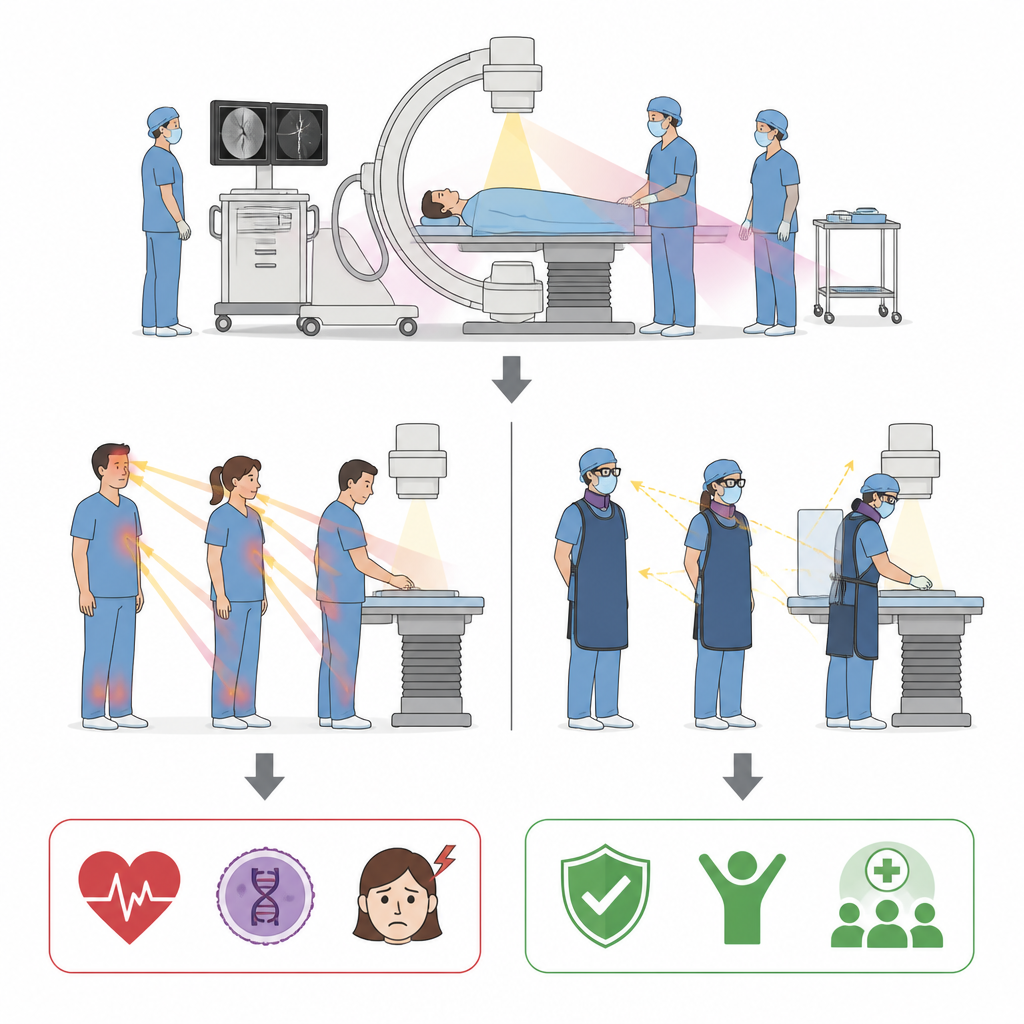
Every day, surgeries around the world rely on X ray machines to guide doctors, from fixing broken bones to treating cancer. These tools help save lives, but they also expose the people working in the operating room to invisible radiation. Over time, too much exposure can harm their health. This study looks at how well operating room staff understand these risks and how often they actually use protective gear designed to keep them safe.
Who was asked and what was measured
The researchers surveyed 381 people working in operating rooms in hospitals of different levels in Hunan Province, China. Most were nurses, with a smaller number of surgeons and anesthesiologists. Everyone in the study was at least 18 years old, held a valid professional license, and could be exposed to radiation during their normal duties. The team used a detailed rating scale to test how much the staff knew about radiation, including what it is, how it affects the body, and how it should be used safely. They also used a separate questionnaire to ask about day to day habits, such as how often staff wore protective aprons, collars, and glasses.
What they found about safety habits
The picture that emerged was troubling. Fewer than one in ten participants said they regularly checked their own radiation dose. Only about a fifth always used a lead apron when working around X rays, and nearly a third reported never using one at all. Other protective items, such as lead gowns, thyroid collars, glasses, and gloves, were used even less consistently. This was striking because most respondents said their departments did provide enough protective equipment and had people assigned to manage it. Yet nearly three quarters had already experienced accidental radiation exposure while on the job.
Gaps in knowledge and what improves them
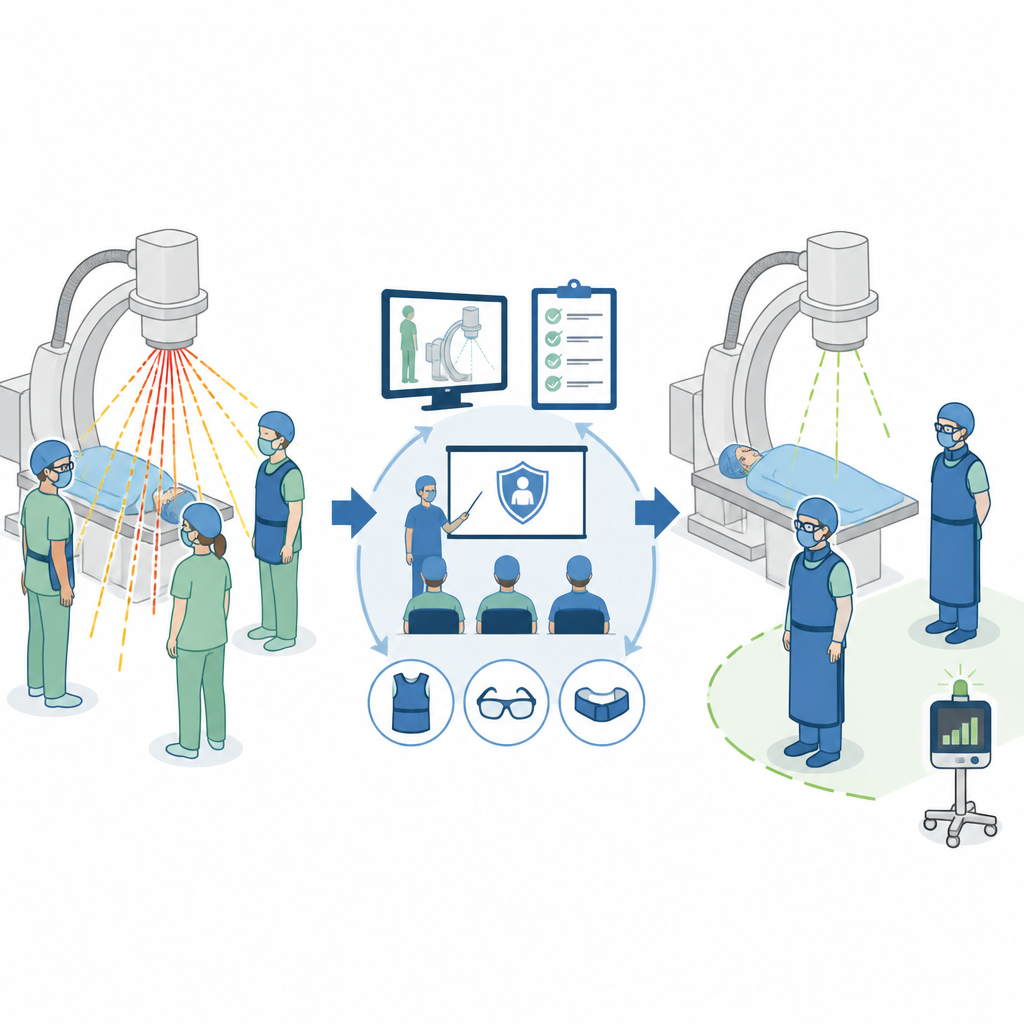
When the researchers scored the quiz on radiation knowledge, the average results landed in the middle of the scale, suggesting that many staff members had only a partial grasp of key ideas. About half had received some form of formal training, often just once per year, while others mainly relied on self study. Staff in large tertiary hospitals, in departments with clear rules and organized management of protective gear, and those who had taken structured radiation courses all scored higher on knowledge. They also tended to follow safety rules more closely, such as using at least one piece of protective equipment most of the time.
Which factors really make a difference
To sort out which influences mattered the most, the team used statistical models that adjust for age, job type, and other background details. They found that working in a higher level hospital, having standardized management for protective equipment, and receiving radiation related training were each linked to better knowledge and better safety behavior. People with higher knowledge scores were more likely to protect themselves, and doctors as a group showed better compliance than nurses after taking other factors into account. At the same time, many staff members pointed to poor training and weak departmental management as major reasons why protection was not used properly.
What this means for patient care and staff safety
For a layperson, the takeaway is clear. The same X rays that help doctors see inside the body can slowly harm the people who work around them if protection is not used well. This study shows that many nurses and doctors in operating rooms still do not know enough about radiation safety and do not consistently wear the gear that is available to them. It also shows that regular, well planned training and strong local rules can raise knowledge and improve habits. By tailoring education and protection programs to the needs of different hospitals and staff groups, health systems can better shield their workers from avoidable radiation risks while still delivering the benefits of modern imaging in surgery.
Citation: Peng, X., Chen, J. Evaluating radiation protection knowledge and practices in operating room personnel: a cross-sectional study. Sci Rep 16, 15837 (2026). https://doi.org/10.1038/s41598-026-47272-5
Keywords: radiation protection, operating room, personal protective equipment, occupational exposure, medical staff training