Clear Sky Science · en
The impact of an educational program on the electronic waste management knowledge and practices of dental interns: an interventional study
Why our old gadgets in the clinic matter
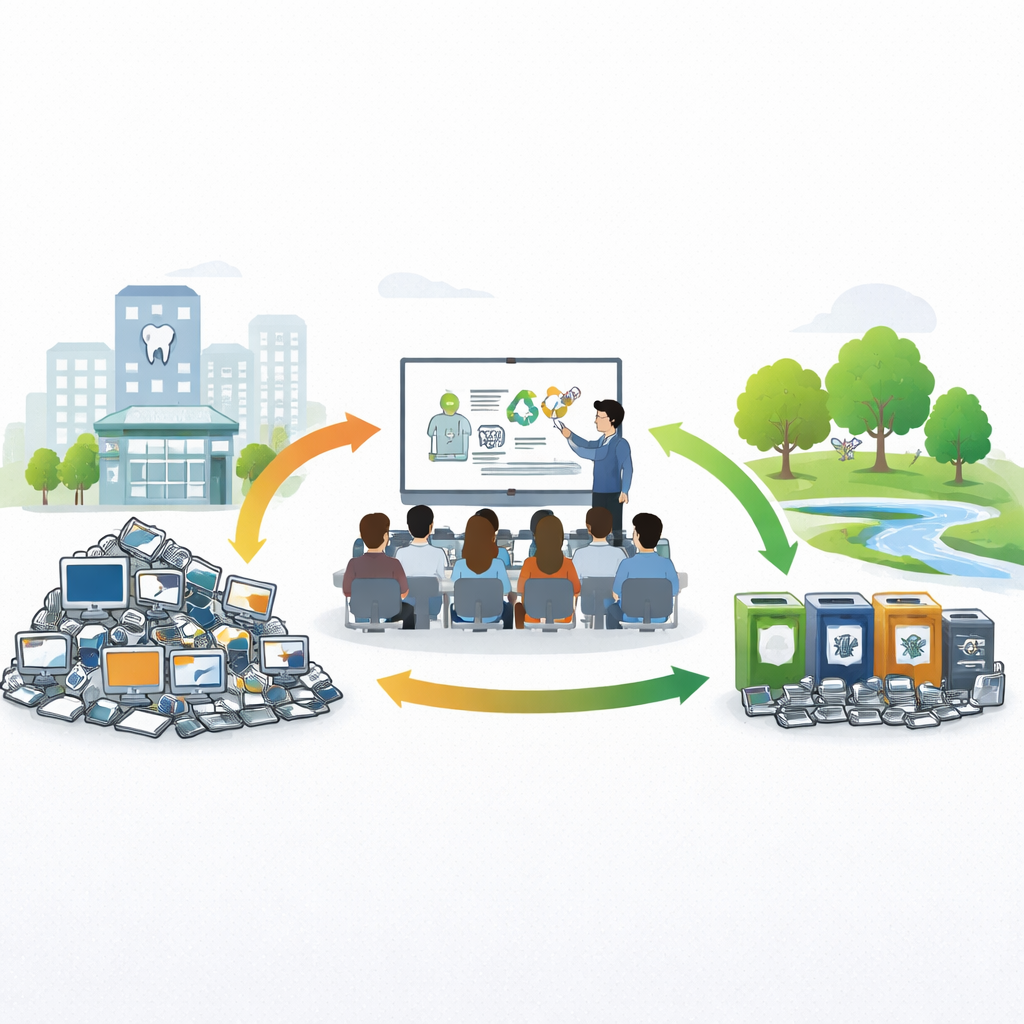
From smartphones to digital X‑ray machines, modern dentistry depends on electronics. But when these devices break or become outdated, they turn into electronic waste, or e‑waste, which can leak toxic metals and chemicals into air, soil, and water. This study asks a simple question with big implications: if we teach young dentists how to handle e‑waste properly, will they actually change what they do with old gadgets—and could that help protect both patients and the planet?
A growing pile of hidden dental trash
Across the world, e‑waste is rising fast, and Egypt is one of Africa’s top producers. Dental clinics are a small but important part of this problem, because they constantly upgrade equipment such as X‑ray units, curing lights, sensors, and cameras. When tossed in regular trash or left to gather dust at home or in clinics, these devices can release harmful substances like lead and mercury over many years. Yet, in many dental schools, future dentists receive little or no guidance on how to dispose of this material safely.
Testing whether teaching can change habits
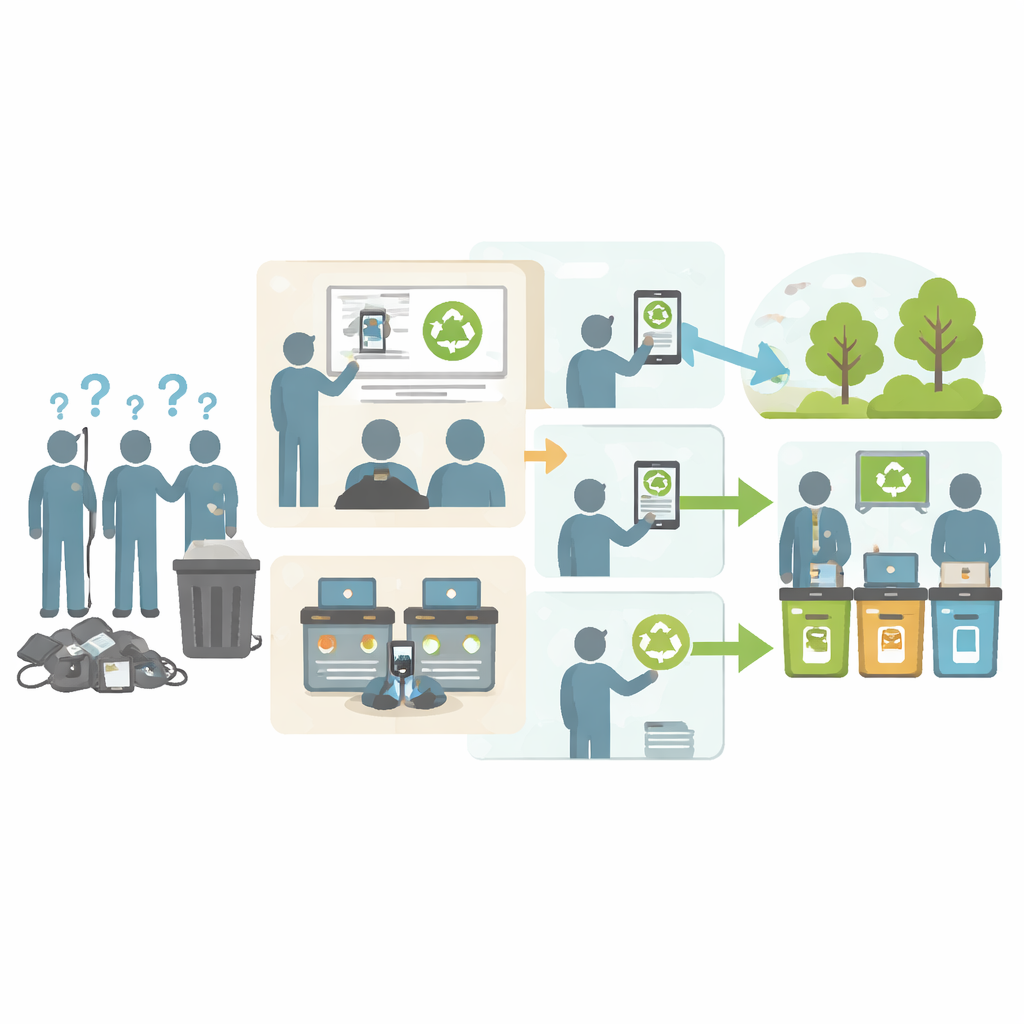
To explore a practical solution, researchers at Alexandria University in Egypt designed an educational program for 76 dental interns who were just starting their professional training. Before any teaching took place, the interns filled out a detailed questionnaire about their awareness, knowledge, and everyday handling of e‑waste. Over one month, they then attended four one‑hour sessions that mixed lectures, videos, and group discussions. The sessions explained what e‑waste is, why it is dangerous, how it can be safely handled using a “reduce, reuse, recycle, repurpose” approach, and how to use a national smartphone app that connects citizens with certified e‑waste collectors.
From almost no awareness to lasting improvement
The contrast between the interns’ starting point and their performance after the training was striking. At the beginning, almost no one showed good awareness or knowledge, and most reported poor disposal habits, such as throwing devices into general trash or simply keeping them at home. Immediately after the program, their awareness and knowledge scores jumped to very high levels, and their self‑reported behavior shifted sharply toward more responsible actions, including sending devices to official collectors. Three months later, knowledge had faded slightly but remained far higher than at the start, and reported practices continued to improve, suggesting that habits were still consolidating rather than slipping back.
Connecting what people know to what they do
The study also found that interns who knew more about e‑waste were more likely to report better disposal practices, both before and after the program. This link between understanding and action is important: it suggests that training can do more than just fill heads with facts; it can also help shape everyday routines inside clinics and at home. By learning concrete steps—such as separating e‑waste from general trash, encouraging family and colleagues to recycle, and using digital tools to find collection points—the interns began to see responsible e‑waste handling as part of their professional role.
What this means for greener dental care
For the general public, the message is encouraging: a relatively short, well‑planned educational program turned a group of new dentists from almost completely unaware to much more informed and environmentally responsible. The study has limits—it involved only one institution, relied on self‑reports, and did not include a comparison group—but it offers a clear proof of concept. If similar training were built into dental and other health‑care curricula, future professionals could help shrink the toxic footprint of our digital devices, turning clinics from quiet contributors to the e‑waste problem into active partners in protecting environmental and public health.
Citation: Galal, R.S., El-Zoka, A.H., Fetohy, E.M. et al. The impact of an educational program on the electronic waste management knowledge and practices of dental interns: an interventional study. Sci Rep 16, 12242 (2026). https://doi.org/10.1038/s41598-026-46718-0
Keywords: electronic waste, dental education, environmental health, recycling practices, sustainable dentistry