Clear Sky Science · en
Development of a questionnaire to assess the medication literacy of patients receiving oral anticancer drugs
Why taking cancer pills safely is a bigger challenge than it seems
More and more cancer treatments now come as tablets or capsules that patients take at home rather than through a drip in hospital. That gives people freedom—but also hands them a heavy responsibility. They must understand when and how to take powerful drugs, what side effects to watch for, and when to seek help. This study describes how researchers in Germany built and tested a new questionnaire to measure how well cancer patients who take oral anticancer drugs can handle these tasks, a skill the authors call “medication literacy.” 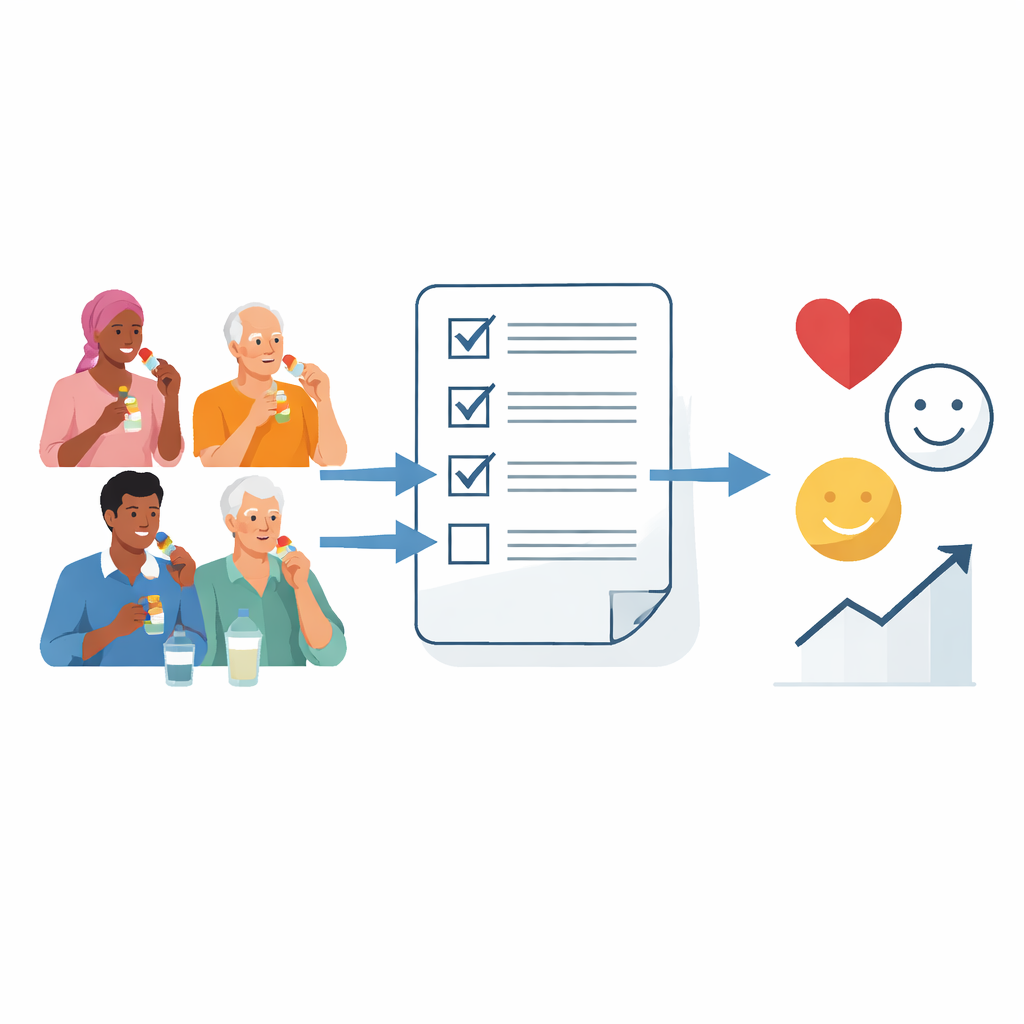
From health information overload to a focused question set
Cancer patients are often flooded with information from leaflets, doctors, nurses, and the internet. Yet previous research has shown that many people living with cancer struggle to understand medical texts or package inserts. Existing tools to measure how well patients cope with medicines were not designed for modern cancer pills and usually focused on only one narrow ability, such as reading a label. The research team wanted a broader, cancer-specific tool in German that would capture everyday challenges: finding the right information, talking with professionals, judging whether advice applies personally, deciding what to do, and even working out complex dosing schedules.
Listening to patients and experts to capture real-life problems
To design the questionnaire, the team first combed through earlier studies and tools on medication literacy and health literacy. They then interviewed 21 patients taking oral anticancer drugs and, when relevant, their relatives. These conversations revealed practical hurdles, such as confusion about dose changes, uncertainty about food and drug interactions, and difficulty deciding whether new symptoms were dangerous. An online focus group with oncologists, nurses, pharmacists, and patient representatives added a professional perspective on where patients most often stumble. Together, these steps produced a draft questionnaire in two parts: one asking patients how confident they felt about handling their medicines, and another testing their performance on realistic medication tasks.
Putting the questionnaire to the test
The draft was refined in a small trial with laypeople to ensure that questions were easy to understand. It was then given to 307 adults receiving oral anticancer therapy across German oncology practices and pharmacies. Part A asked patients to rate, on a simple scale, how well they could, for example, obtain more information, talk to their care team about drug problems, or judge if information was trustworthy and relevant. Part B presented multiple-choice scenarios that mimicked real treatment decisions, such as calculating a dose, deciding whom to call about symptoms, or interpreting written instructions. The researchers used statistical techniques to see which questions grouped together reliably and which ones confused matters, trimming and reshaping the questionnaire accordingly.
What the answers revealed about patients’ skills
After this fine-tuning, the final tool contained 27 questions spread across seven skill areas. Patients generally scored fairly high, achieving about three-quarters of the maximum possible points on the self-rating section (Part A) and just under 70 percent on the practical tasks (Part B). Three self-rating skill areas—finding information, communicating with professionals, and judging information—hung together well statistically, meaning they measured clear, consistent abilities. In contrast, the four practical skill areas—understanding instructions, calculating doses, deciding what action to take, and knowing when and whom to contact—were more mixed. The authors suspect that the questions in this section covered too many different situations with too few items per skill, making the results less stable. 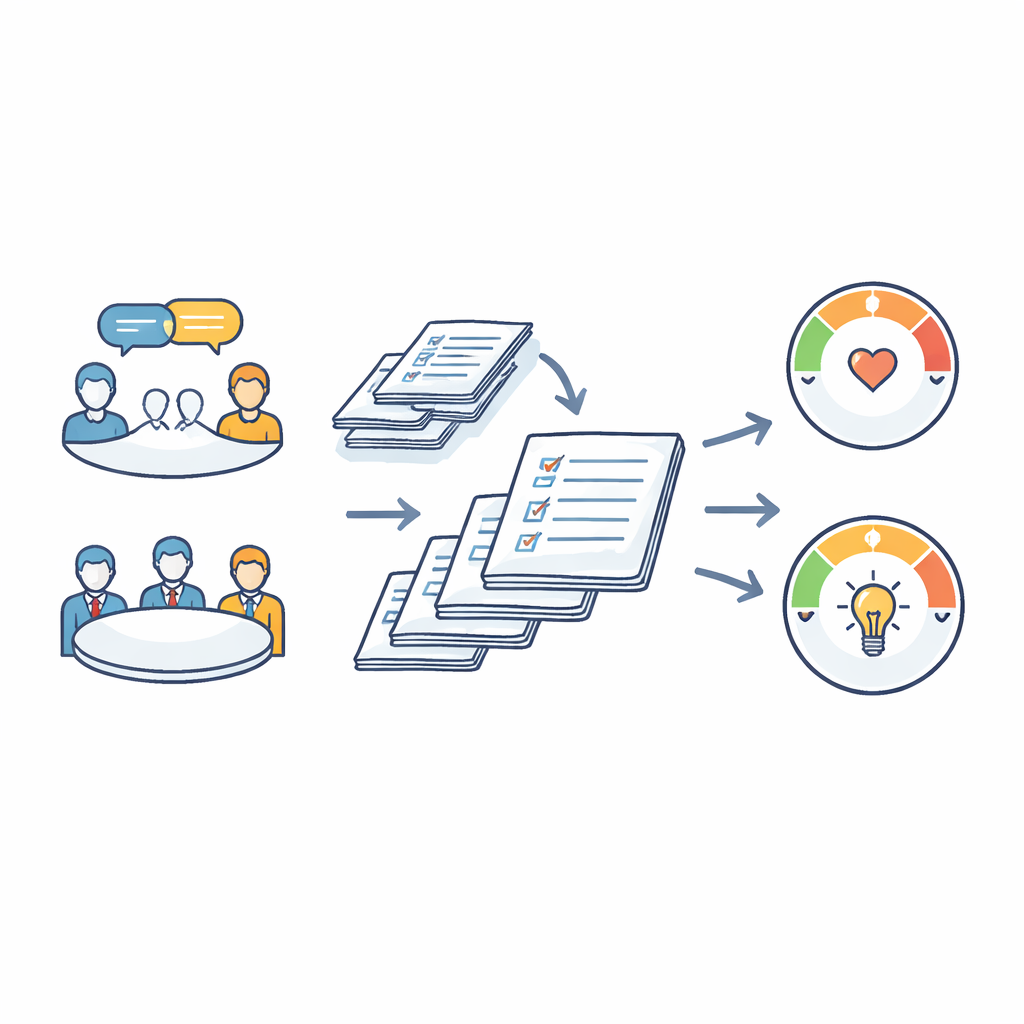
Why these scores matter for everyday life
The team also looked at how patients’ questionnaire results related to their wellbeing. Higher self-rated medication literacy in Part A was modestly linked to better quality of life and a greater sense of being able to understand and cope with illness—what researchers call “patient enablement.” In other words, patients who felt more capable of handling their medicines also tended to feel better overall and more in control, even though many other factors are certainly involved.
How this new tool can help patients and care teams
In plain terms, this study delivers a new, carefully built checklist to gauge how well cancer patients who take pills at home understand and manage their treatment. The self-assessment part already works well enough to be used in future studies or in clinics to spot people who may need extra explanation or counseling. The performance-test part still needs redesign and further testing before it can be relied on in everyday care. Ultimately, tools like this could help healthcare teams tailor information more precisely, making powerful cancer medicines safer and easier for patients to live with.
Citation: Fehrmann, W., Moritz, A., Basten, V. et al. Development of a questionnaire to assess the medication literacy of patients receiving oral anticancer drugs. Sci Rep 16, 12029 (2026). https://doi.org/10.1038/s41598-026-46355-7
Keywords: oral anticancer therapy, medication literacy, patient questionnaire, quality of life, cancer self-management