Clear Sky Science · en
High magnitude of carbapenemase-producing Acinetobacter baumannii in sepsis patients at Ethiopian referral hospitals: a whole genome analysis
Why this matters for patients and families
Sepsis is a life-threatening condition where the body’s response to infection spirals out of control. Treating it is hard enough, but it becomes even more dangerous when the infection is caused by bacteria that shrug off nearly all available antibiotics. This study looked at one such superbug, Acinetobacter baumannii, in major Ethiopian hospitals and used whole-genome analysis to reveal how widespread and deeply drug-resistant these germs have become—and what that means for vulnerable patients, especially newborns.
Hidden hospital threat in the bloodstream
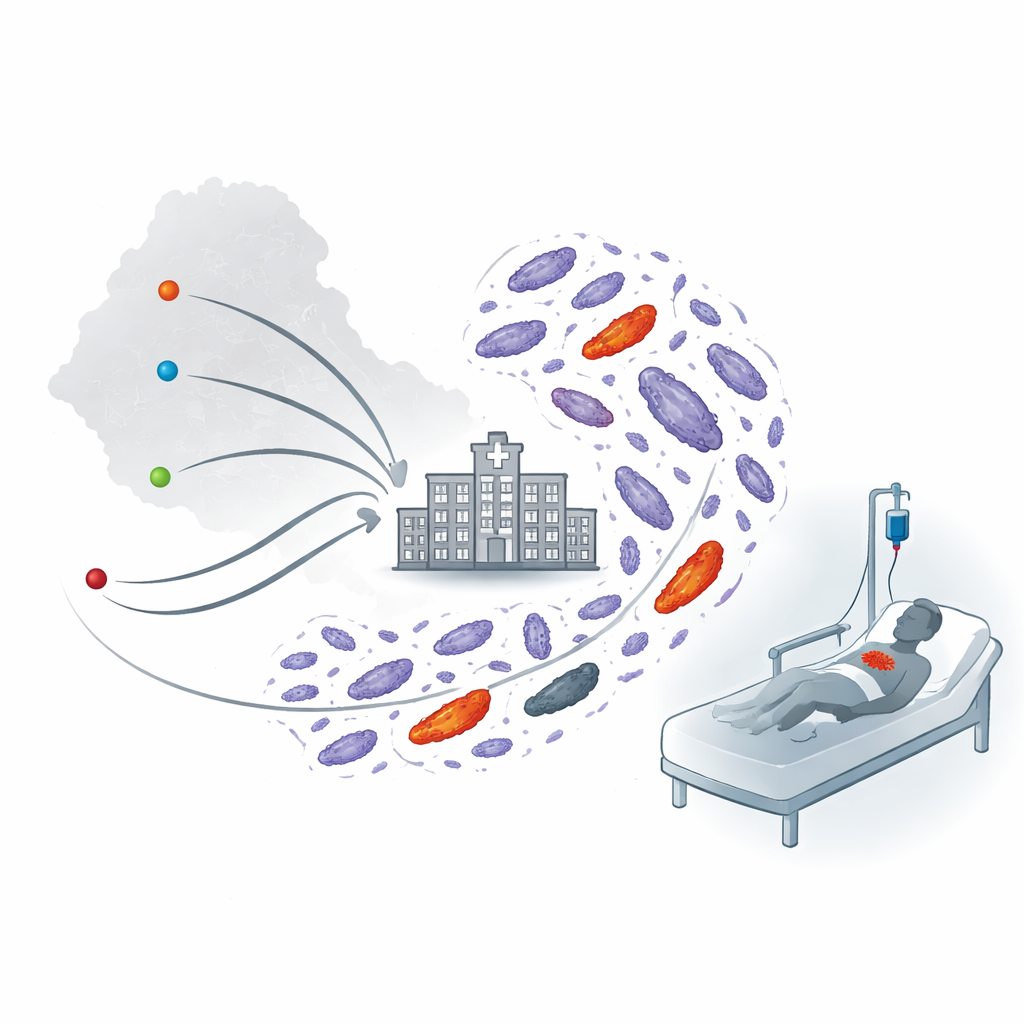
Researchers followed 1,416 patients diagnosed with sepsis between late 2019 and 2020 in four large referral hospitals across central, northern, and southern Ethiopia. Blood samples were taken to see which bacteria were causing the infections. Forty-five Acinetobacter isolates were found, and most of them—38 in total—were Acinetobacter baumannii, a species already known worldwide for causing hard-to-treat hospital infections. All of these samples came from people who were already hospitalized, many for a week or longer, and a large share were referred from other health facilities, pointing strongly to infections that arise and spread inside hospitals rather than in the community.
Newborns and children on the front line
The study showed that the youngest patients were hit hardest. Nearly half of the Acinetobacter isolates came from newborns in neonatal intensive care units, and many others from pediatric wards. These units care for fragile infants and children whose immune systems are not fully developed, making them particularly vulnerable. When a highly resistant bacterium gets established in such settings, it can move between beds and even between hospitals as patients are transferred for advanced care. The pattern of cases across Ethiopia’s central, southern, and northern regions suggests that these strains are not isolated curiosities but part of a broader hospital-based problem.
Superbug genetics and resistance
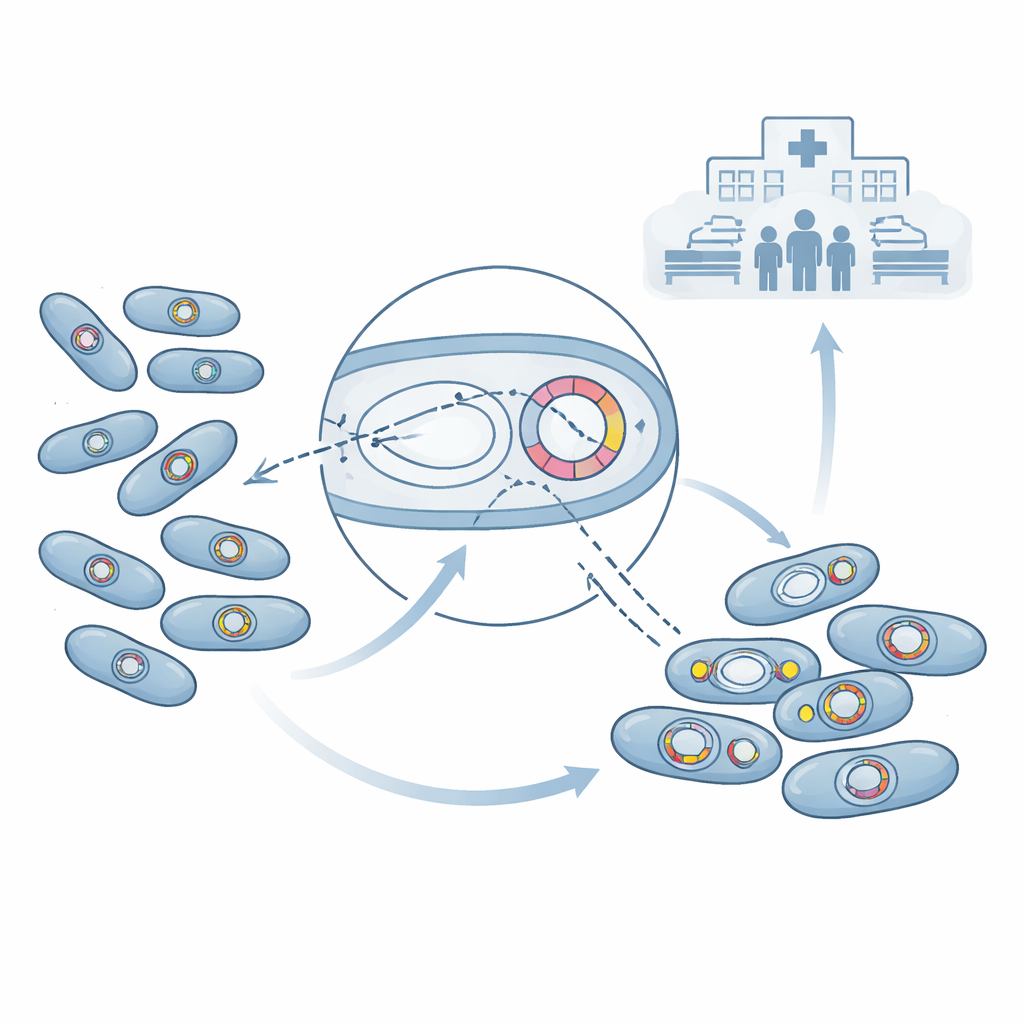
To understand why these bacteria were so hard to treat, scientists read their genetic code using whole-genome sequencing. They found that almost half of the Acinetobacter baumannii samples carried a powerful resistance gene called blaNDM-1, and many also carried another group of genes known as OXA-type carbapenemases. These genes produce enzymes that destroy carbapenems—drugs often considered a last resort when other antibiotics fail. In some bacteria, blaNDM-1 and certain OXA genes were found together on mobile DNA circles called plasmids, which can move between bacteria like tiny genetic USB drives. Other resistance genes were built into the bacterial chromosome. Beyond carbapenems, most strains carried additional genes that block many other antibiotic families, as well as some disinfectants, leaving doctors with very few treatment options.
Clones on the move between wards and hospitals
By comparing genomes, the team could see which bacterial strains were closely related. They found several clusters, or clones, that appeared repeatedly within and across hospitals, indicating ongoing spread rather than one-off introductions. Two major international strain types, known worldwide for causing outbreaks, were common in the Ethiopian hospitals as well. In one northern hospital, a single clone dominated the neonatal intensive care unit, hinting at a local outbreak. In other sites, a mix of clones circulated through neonatal and pediatric wards. This genetic fingerprinting shows that resistant Acinetobacter is not just present but actively moving through the health system, often hitchhiking on plasmids that carry multiple resistance traits at once.
What this means for care and control
The picture that emerges is sobering: Ethiopian referral hospitals are facing a high burden of Acinetobacter baumannii strains that resist many, and sometimes nearly all, standard antibiotics. The situation is especially worrying in neonatal units, where the sickest and smallest patients are concentrated. On the positive side, a new drug called cefiderocol still worked against all of the most resistant strains tested in this study, although required doses may be higher. Overall, the findings point to an urgent need for stronger infection prevention measures, careful antibiotic use, and nationwide stewardship programs. For patients and families, this research underscores why preventing infections in hospitals—and protecting the power of existing antibiotics—is just as important as developing new drugs.
Citation: Legese, M.H., Asrat, D., Mihret, A. et al. High magnitude of carbapenemase-producing Acinetobacter baumannii in sepsis patients at Ethiopian referral hospitals: a whole genome analysis. Sci Rep 16, 14009 (2026). https://doi.org/10.1038/s41598-026-44498-1
Keywords: sepsis, drug-resistant bacteria, hospital infections, Acinetobacter baumannii, Ethiopia