Clear Sky Science · en
Assessment of knowledge and practice of childhood vaccination among mothers of under five year children in Jimma city government health facilities, South-West Oromia, Ethiopia
Why this study matters for families
For parents, deciding whether and when to vaccinate a young child can feel confusing, especially when time and money are tight. This study from Jimma City in southwest Ethiopia looks closely at how much mothers of young children know about vaccines, how they actually use vaccination services, and which family circumstances make it easier or harder to keep up with the schedule. Understanding these patterns can help health workers and communities support parents so that more children grow up protected from serious infections.
Child deaths that could be prevented
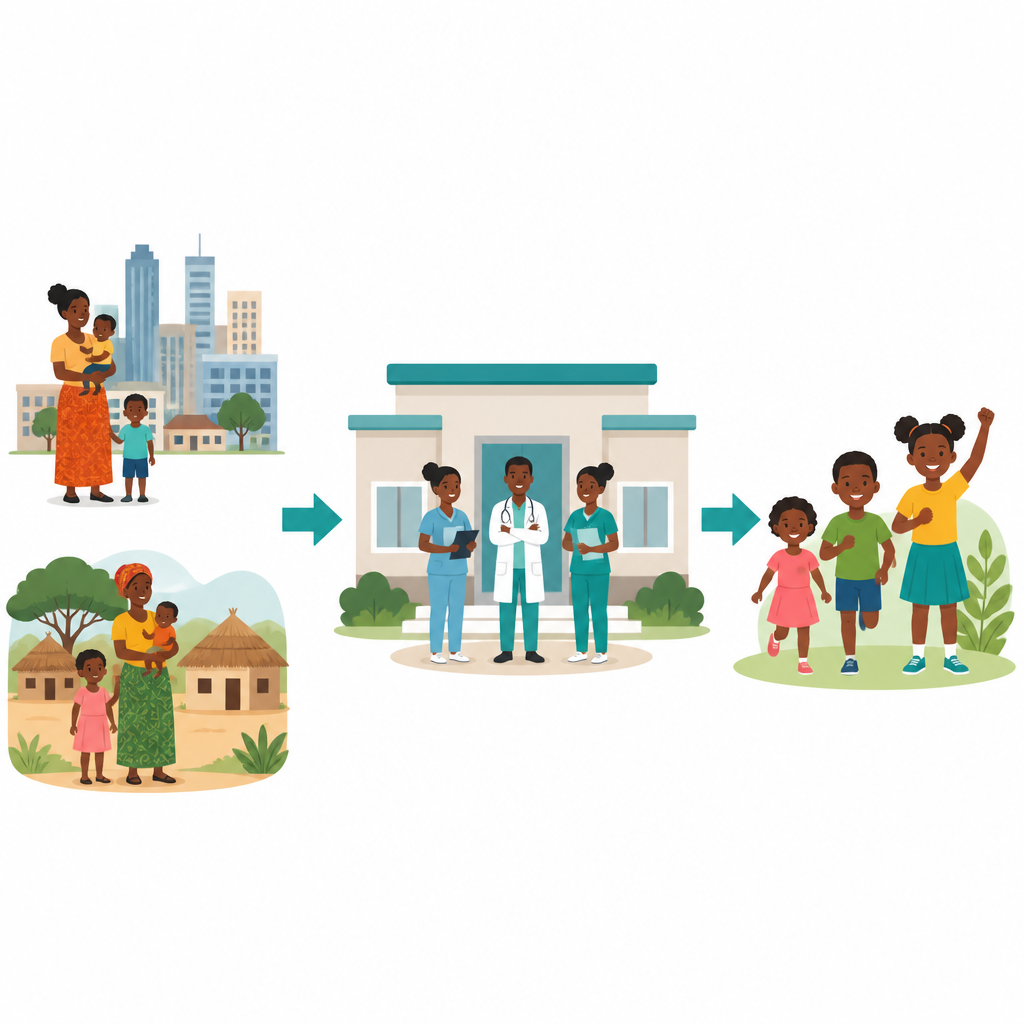
Worldwide, millions of children die before their fifth birthday, and a large share of these deaths are caused by diseases that vaccines can prevent. Sub Saharan Africa carries a heavy burden, with far higher death rates than wealthier regions. Vaccines are a proven, low cost way to save lives, but in many places not enough children receive all of their recommended doses on time. In Ethiopia, past studies have shown that only about half to two thirds of children complete their full set of early childhood vaccines, and coverage can differ sharply from one region to another.
The focus on mothers in Jimma City
The researchers set out to measure both knowledge and daily practice around vaccination among mothers of children under five who were visiting six government health facilities in Jimma City. Over a three month period in 2023, they interviewed 420 mothers using a structured questionnaire in local languages. The questions asked about basic facts, such as which diseases vaccines can prevent, the age when vaccines should start, and common side effects, as well as practical behavior, such as whether the mother attends appointments on schedule, continues vaccination when a child is mildly ill, and recommends vaccination to others.
What mothers knew and how they acted
Overall, the picture that emerged was mixed but hopeful. About seven in ten mothers were classified as having good knowledge about childhood vaccination, and about two thirds showed good vaccination practice. Most mothers knew at least three vaccine preventable diseases and were aware of the correct ages for the first doses. Nearly all could name common side effects such as pain or fever. On the practical side, three out of four mothers said they attended vaccination sessions as planned, recommended vaccines to others, and continued vaccination even when their child was sick with minor illness. Health care workers were the main source of information, and many mothers walked to the clinic and waited more than ten minutes for services, indicating a real investment of time and effort.
Family factors that shaped vaccine use
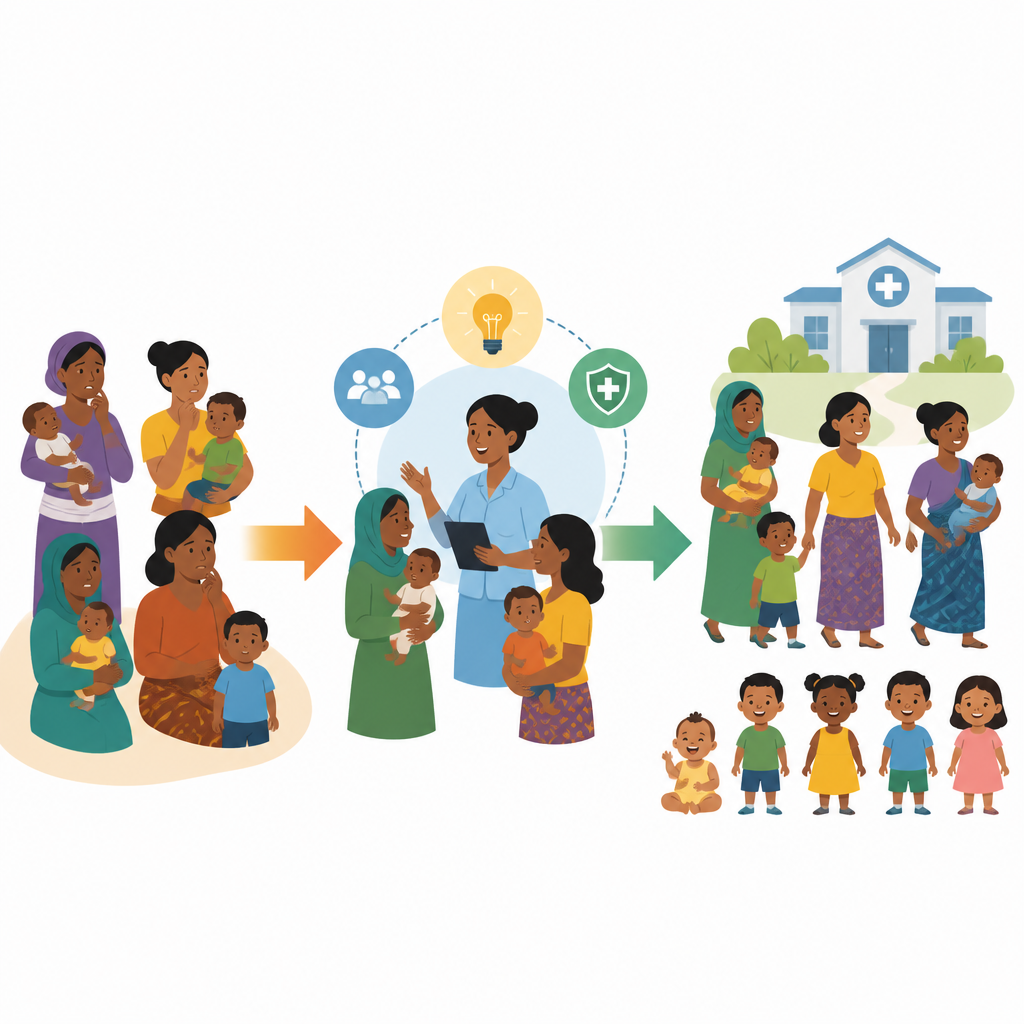
The study also explored which family characteristics were linked to better or worse vaccination behavior. Mothers with two or fewer children were about twice as likely to have good vaccination practice as those with three or more children, suggesting that large families may find it harder to keep up with appointments. Another key finding was that mothers whose husbands were farmers were less likely to have good practice than those whose husbands had other jobs, hinting at the role of income, work schedules, or decision making in the household. Most strikingly, mothers with good knowledge about vaccination were far more likely to follow good practices, underscoring the power of clear information.
What the findings mean for everyday life
For readers, the main takeaway is that information and support for parents truly matter. In this Ethiopian city, most mothers had a solid grasp of why vaccines are important and made real efforts to vaccinate their children, yet a sizable minority still lacked key facts or struggled to follow through. The study suggests that when mothers understand vaccines well, they are much more likely to keep their children on schedule, regardless of other challenges. Efforts to explain vaccination schedules in simple terms, reach mothers with different backgrounds, and consider the work and family pressures they face could help more children receive life saving shots on time.
Citation: Dabsu, R., Beyene, G., Mihret, A. et al. Assessment of knowledge and practice of childhood vaccination among mothers of under five year children in Jimma city government health facilities, South-West Oromia, Ethiopia. Sci Rep 16, 14899 (2026). https://doi.org/10.1038/s41598-026-44204-1
Keywords: child vaccination, Ethiopia, mothers, vaccine knowledge, child health