Clear Sky Science · en
Statin use and the risk of liver-related events in older adults with steatotic liver disease
Why this matters for everyday health
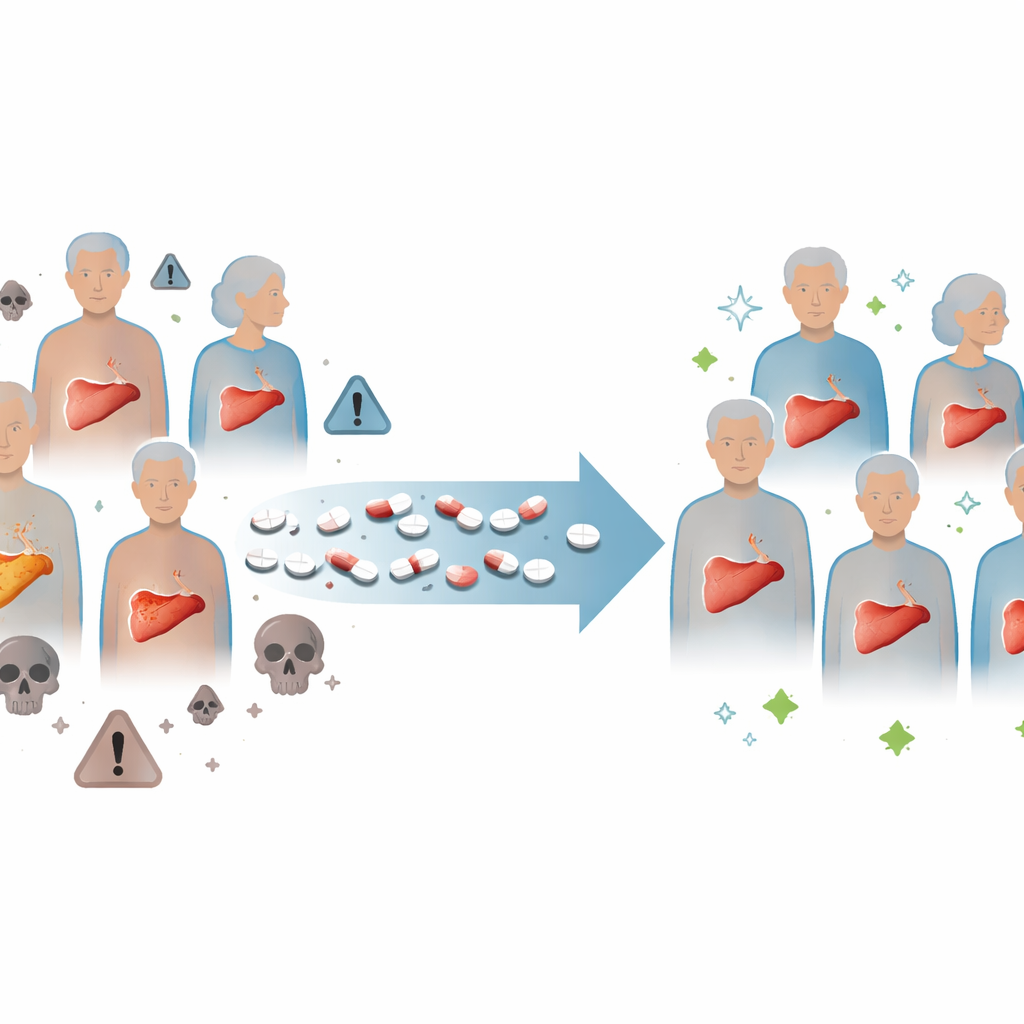
Many older adults take statins to protect their hearts, but people often worry about how these drugs might affect the liver—especially if they already have fatty liver disease. This study followed over 125,000 older Koreans with signs of fatty liver to ask a simple but important question: do statins make serious liver problems more or less likely? The answer, drawn from nearly a decade of real-world data, suggests that statins may actually help guard the liver, not harm it.
A closer look at fatty liver in older adults
Fatty liver disease, now often called steatotic liver disease, is very common as people age and gain weight or develop conditions like high blood pressure or diabetes. In many people it causes no symptoms, but over time it can lead to scarring of the liver (cirrhosis) and liver cancer. The researchers focused on older adults, age 60 and above, who showed evidence of fatty liver based on a standard score that combines body size, waistline, blood fats, and a liver enzyme. They excluded anyone who already had liver cancer, cirrhosis, heavy viral or toxic liver disease, or who had died before the study began, leaving 125,926 participants.
Tracking statin use and serious liver problems
The team grouped people by how much statin medicine they had been prescribed over several years, using a standardized measure of total dose. One group never used statins, while the others ranged from light users to those who took them regularly for at least a year’s worth of standard doses. The researchers then watched what happened between 2011 and 2019, looking specifically for new cases of primary liver cancer, cirrhosis, or decompensated cirrhosis—a severe stage where the liver can no longer keep up and complications like fluid buildup or confusion appear. They used statistical methods that account for the fact that many older adults may die of other causes before liver disease emerges.
What the study found about protection from statins
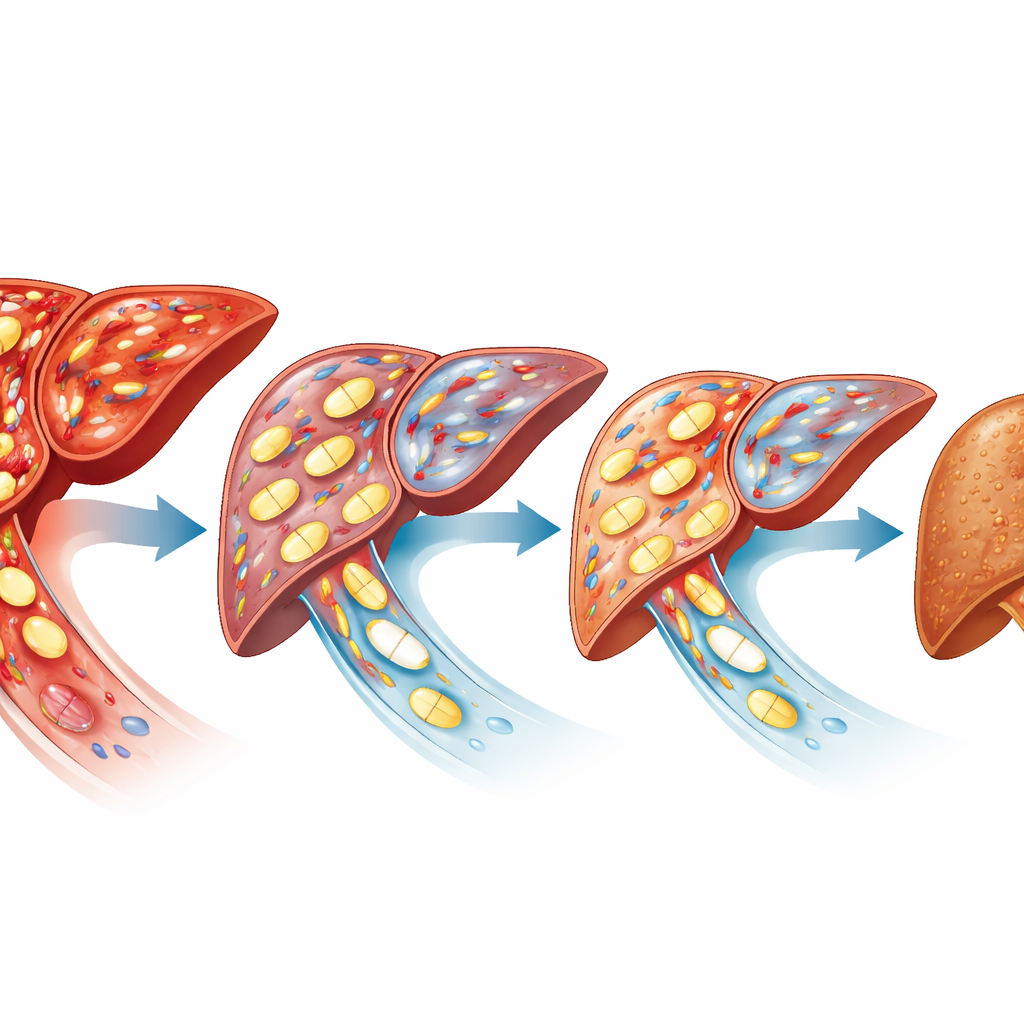
Over a median of nine years, 3,445 serious liver events occurred. People who used statins had fewer of these events than those who never took them, and the more statin they used overall, the lower their risk. Those with the highest cumulative use had about a 30% lower risk of any serious liver problem, and roughly one-third lower risk of liver cancer and cirrhosis compared with non-users. Moderate- and high-intensity statins appeared to offer more protection than low-intensity ones. These patterns held up across many sensitivity checks and when comparing carefully matched groups of users and non-users with similar health profiles.
Who seemed to benefit the most
The liver benefits of statins were especially clear in people with fatty liver tied to metabolic problems—such as extra weight, high blood sugar, high blood pressure, or abnormal cholesterol—rather than heavy alcohol use. Older adults with one to four of these cardiometabolic risk factors saw marked reductions in serious liver events, while the advantage was less obvious in those with the highest burden of metabolic problems. Notably, people aged 75 and older also appeared to gain liver protection from statins, with risk reductions similar to or greater than those seen in younger seniors, suggesting that age alone should not automatically rule out treatment.
What this means for patients and clinicians
For older adults with fatty liver and common metabolic conditions, this large national study suggests that statins may do double duty: protecting the heart while also lowering the chances of cirrhosis and liver cancer, without clear evidence of added liver harm. However, the research is observational, meaning it cannot prove cause and effect, and it relied on prescription records rather than confirmed pill-taking. The authors call for large, long-term clinical trials to confirm whether starting and continuing statins can reliably prevent serious liver disease. Until then, these findings support thoughtful, individualized use of statins in older adults with fatty liver, weighing their well-known heart benefits alongside a growing body of evidence that they may also be friends—not foes—of the aging liver.
Citation: Kang, E.S., Kim, H.J., Park, S.J. et al. Statin use and the risk of liver-related events in older adults with steatotic liver disease. Sci Rep 16, 12615 (2026). https://doi.org/10.1038/s41598-026-43347-5
Keywords: statins, fatty liver disease, older adults, liver cancer, cardiometabolic risk