Clear Sky Science · en
Characteristics of NK cells activation following IL-12, IL-15, IL-18 cytokines stimulation for preclinical purposes
Why super-charging immune cells matters
Cancer therapies increasingly try to help the body heal itself by empowering its own defenses. Among our immune guardians, natural killer (NK) cells stand out because they can quickly spot and destroy abnormal cells, including many cancers. However, NK cells freshly taken from the body are often sluggish. This study asks a practical question for future cancer treatments: which "immune growth factors" best wake up NK cells in the lab so they are strong, safe, and ready to attack tumors when given back to patients?
How the body’s first responders work
NK cells are part of the innate immune system, acting as rapid-response units against virus-infected and cancerous cells. They kill by releasing toxic packets and by sending danger signals that rally other immune cells. Their behavior depends heavily on chemical messengers called cytokines, which can either spur them into action or keep them quiet. Clinicians and researchers already use some of these cytokines, such as IL-2 and IL-15, to grow NK cells outside the body, but these substances can cause side effects or even exhaust NK cells if used in the wrong way. Newer combinations, especially a trio of cytokines IL-12, IL-15, and IL-18, have been proposed as a way to create longer-lived, "memory-like" NK cells that respond more powerfully when they meet cancer.
Testing different immune-boosting recipes
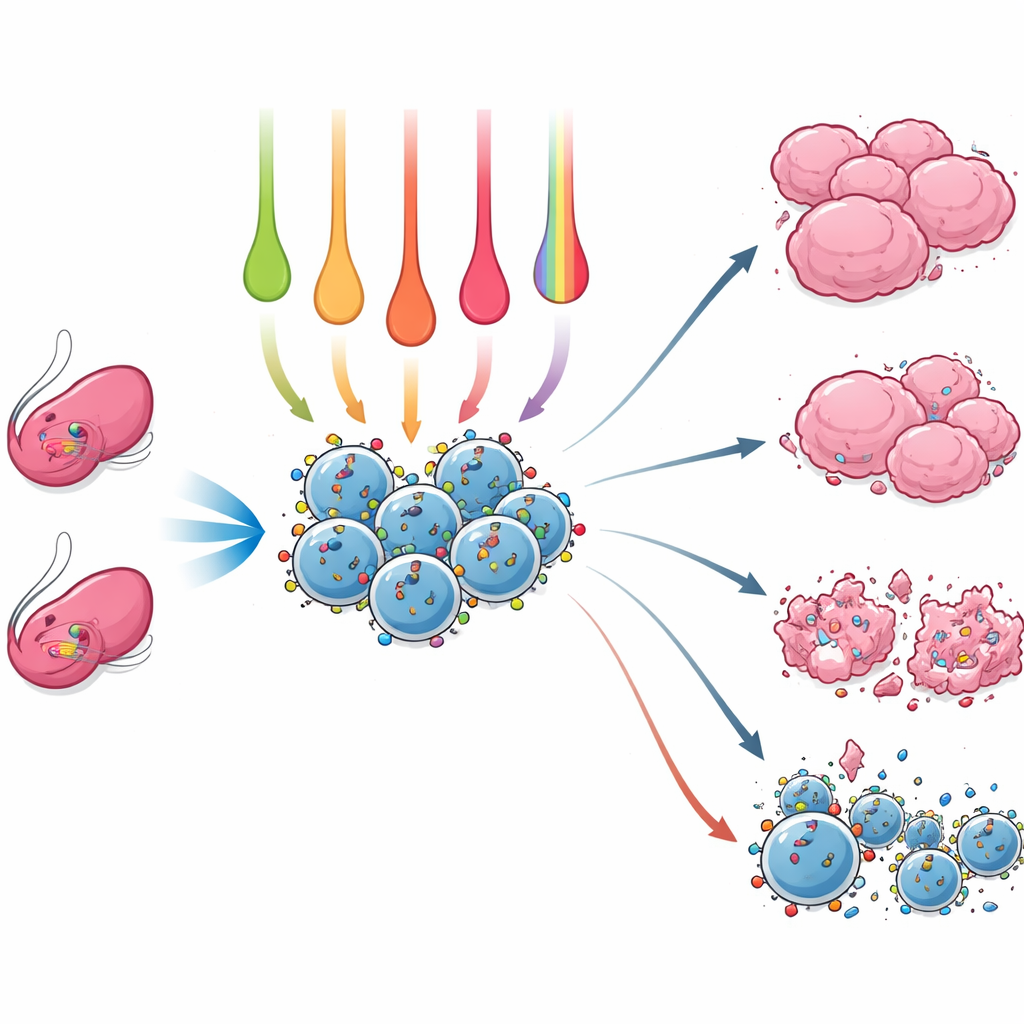
To compare these approaches head-to-head, the researchers isolated NK cells from the spleens of two common laboratory mouse strains. They then exposed the cells for 24 hours to different single cytokines, pairs, and the IL-12/IL-15/IL-18 cocktail, as well as to a STING pathway activator called cGAMP that is known to stimulate immune responses. They measured how many NK cells survived, how many "on" and "off" switches appeared on their surfaces, how much of the killing enzyme granzyme B they carried, and which inflammatory signals they produced. Finally, they co-cultured these NK cells with two types of mouse cancer cells: one that displays normal self-markers (MHC-positive) and one that has lost these markers (MHC-negative), a common trick cancers use to escape other immune cells.
What makes NK cells strongest
Different activation recipes produced strikingly different NK cell profiles. IL-15 alone gave the highest short-term survival and good levels of activating receptors and granzyme B, making it a strong general booster. Adding IL-12 to IL-15 further increased the production of certain signaling molecules, such as IFN-gamma and CCL3, which help coordinate broader immune attacks. But the most dramatic changes came from the triple mix of IL-12, IL-15, and IL-18. This cocktail turned NK cells into potent factories of pro-inflammatory cytokines and chemokines, dramatically elevating IFN-gamma and other signals that can recruit and activate additional immune cells. These "memory-like" NK cells also showed higher levels of the early activation marker CD69, even though their survival was somewhat lower and their granzyme B content did not surpass that of some simpler treatments.
From lab dish to tumor control
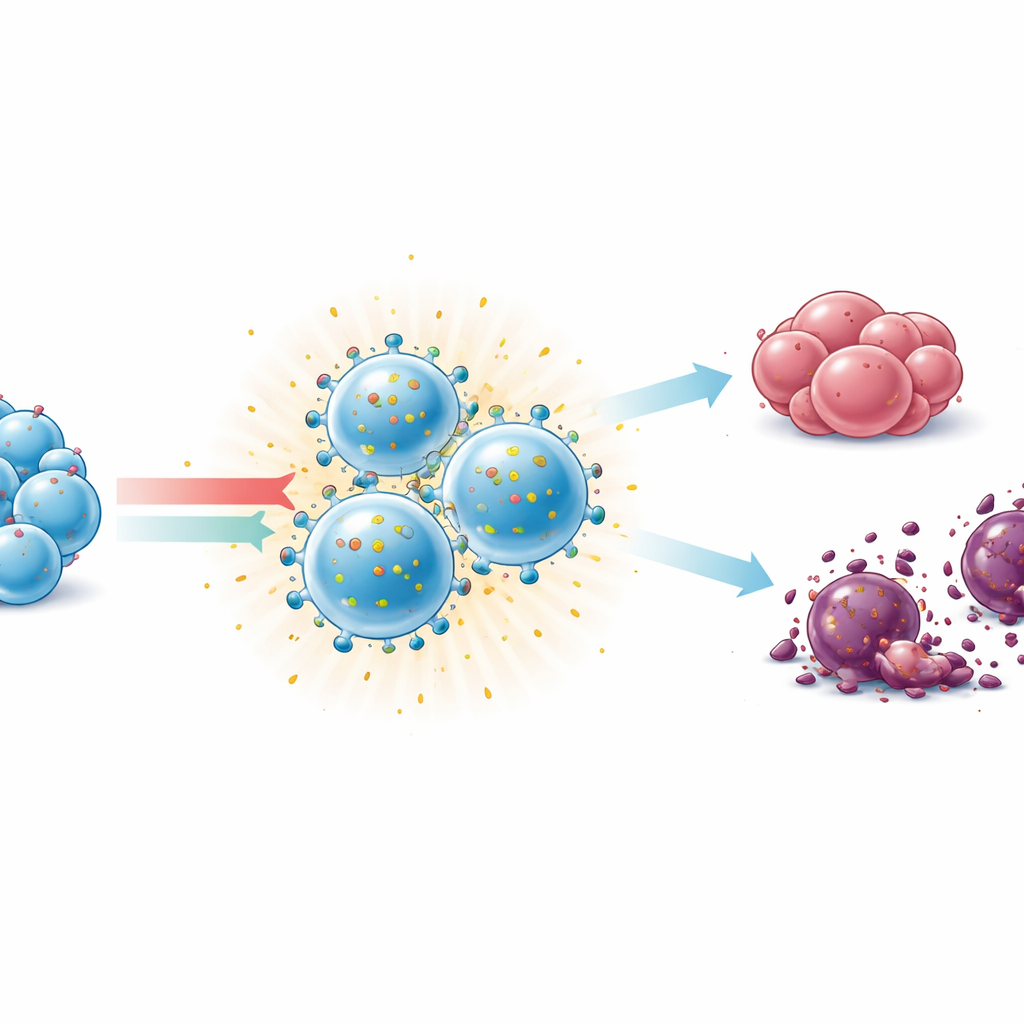
When these differently prepared NK cells were placed together with cancer cells, all activated groups were capable of limiting tumor growth and inducing cancer cell death, whether the target cells carried normal self-markers or had lost them. The triple cytokine cocktail and the IL-12/IL-15 pair tended to produce stronger visible damage to cancer cell layers and slower tumor cell proliferation, especially against melanoma cells that lacked self-markers. By contrast, prolonged exposure to the STING agonist cGAMP alone was harmful to NK cells, sharply reducing their survival and dampening their functional markers, suggesting that this kind of stimulus must be carefully timed or combined with protective cytokines such as IL-15.
What this means for future cancer care
Taken together, the findings highlight that not all immune-boosting signals are equal. IL-15 stands out as a reliable way to keep NK cells alive and primed, while the IL-12/IL-15/IL-18 combination creates highly activated, memory-like NK cells that release powerful inflammatory signals and can curb the growth of both "visible" and "hidden" tumor cells in the lab. Although these experiments were done in mice and in dishes rather than in patients, they support using the IL-12/IL-15/IL-18 cocktail to prepare NK cells for adoptive cell therapy. In practical terms, this work helps refine the recipe for growing smarter, tougher NK cells that may one day give doctors a safer and more effective way to enlist the immune system against cancer.
Citation: Czapla, J., Drzyzga, A. & Smolarczyk, R. Characteristics of NK cells activation following IL-12, IL-15, IL-18 cytokines stimulation for preclinical purposes. Sci Rep 16, 13665 (2026). https://doi.org/10.1038/s41598-026-42816-1
Keywords: natural killer cells, cytokine therapy, cancer immunotherapy, memory-like NK cells, adoptive cell therapy