Clear Sky Science · en
Knowledge, economic, and WASH challenges affecting menstrual health and hygiene among nursing students in Bangladesh using a mixed-methods approach
Why This Story Matters
Periods are a normal part of life, yet for many young women they still come with fear, shame, and practical hurdles. This study looks at nursing and midwifery students in Bangladesh—people who are both living with periods now and will soon be teaching others about health. By examining their experiences, the research reveals how money, family background, and basic facilities like toilets and water shape whether students can manage menstruation with comfort and dignity.
Everyday Barriers Around a Basic Body Process
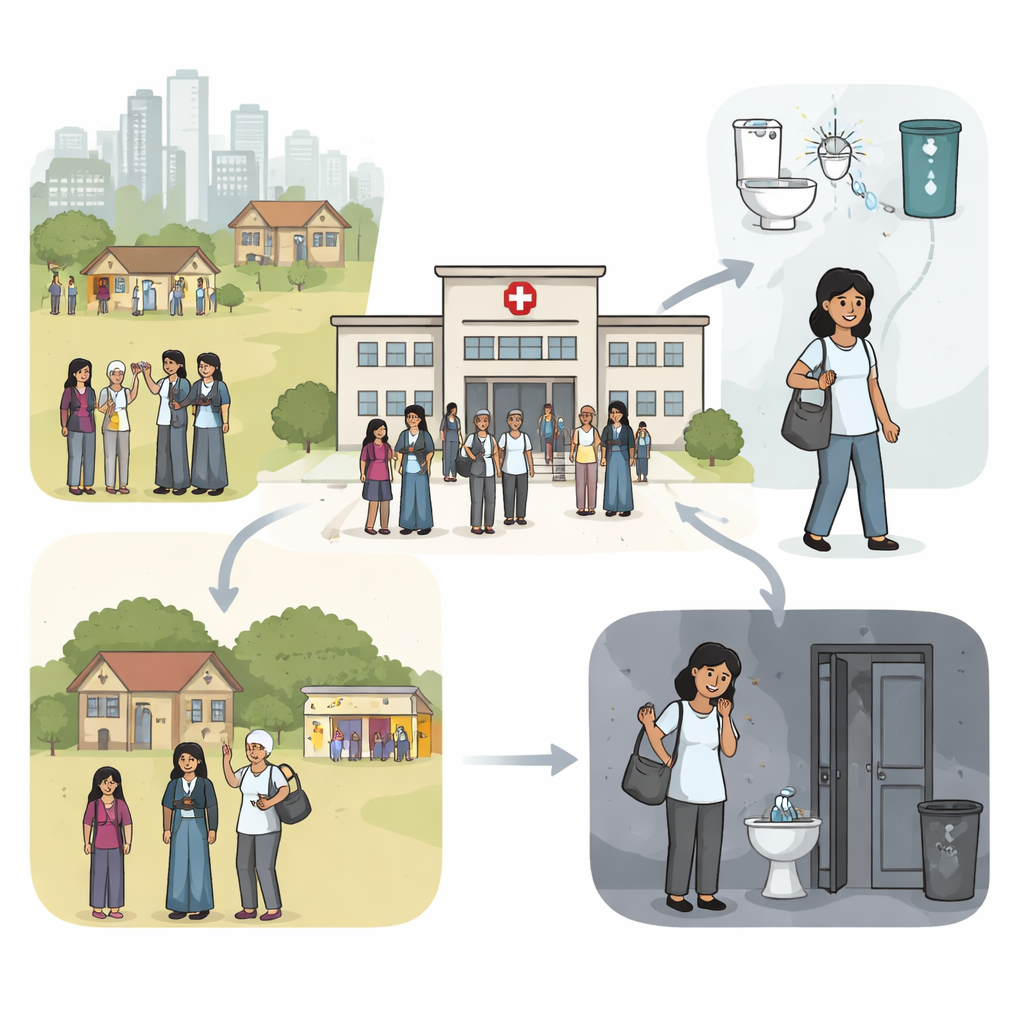
The researchers found that menstrual health is held back not just by biology but by silence and stigma. Almost half of the female students had no idea what a period was before their first one, leading to fear and confusion at a very young age. Many first learned about menstruation from mothers or older sisters, often in hushed tones and without clear explanations. Because menstruation is considered shameful to talk about—especially in front of men—boys grow up largely in the dark, which can fuel teasing and misunderstanding. Even among these health trainees, periods are often treated as a secret problem to hide rather than an ordinary part of life to discuss openly.
What the Study Did
To dig beneath the surface, the team combined numbers with stories. They surveyed 370 female students from seven public nursing and midwifery colleges across different regions, and they held focus group discussions with 42 students—half women, half men. The survey measured key aspects of menstrual health, such as access to pads or other products, cleanliness and privacy of toilets, level of knowledge, pain and its impact on daily activities, and whether students had someone to turn to for support. The group discussions then added personal accounts of first periods, purchasing pads, dealing with pain, and navigating shared campus facilities.
Money, Mothers, and Where You Grow Up
The results showed that who you are and where you come from strongly shape your menstrual experience. Students in higher-level nursing programs and those whose mothers had more schooling were more likely to have enough menstrual products and better access to safe toilets. Students from urban areas and better-off families tended to have stronger knowledge and more supportive environments. By contrast, those from poorer or rural households, or with less-educated parents, were more likely to struggle with pain, limited supplies, and inadequate facilities. Many described pads as expensive, hard to find in villages, or awkward to buy—especially from male shopkeepers who wrapped them in dark plastic as if they were something to hide.
Living With Pain, Shame, and Poor Facilities
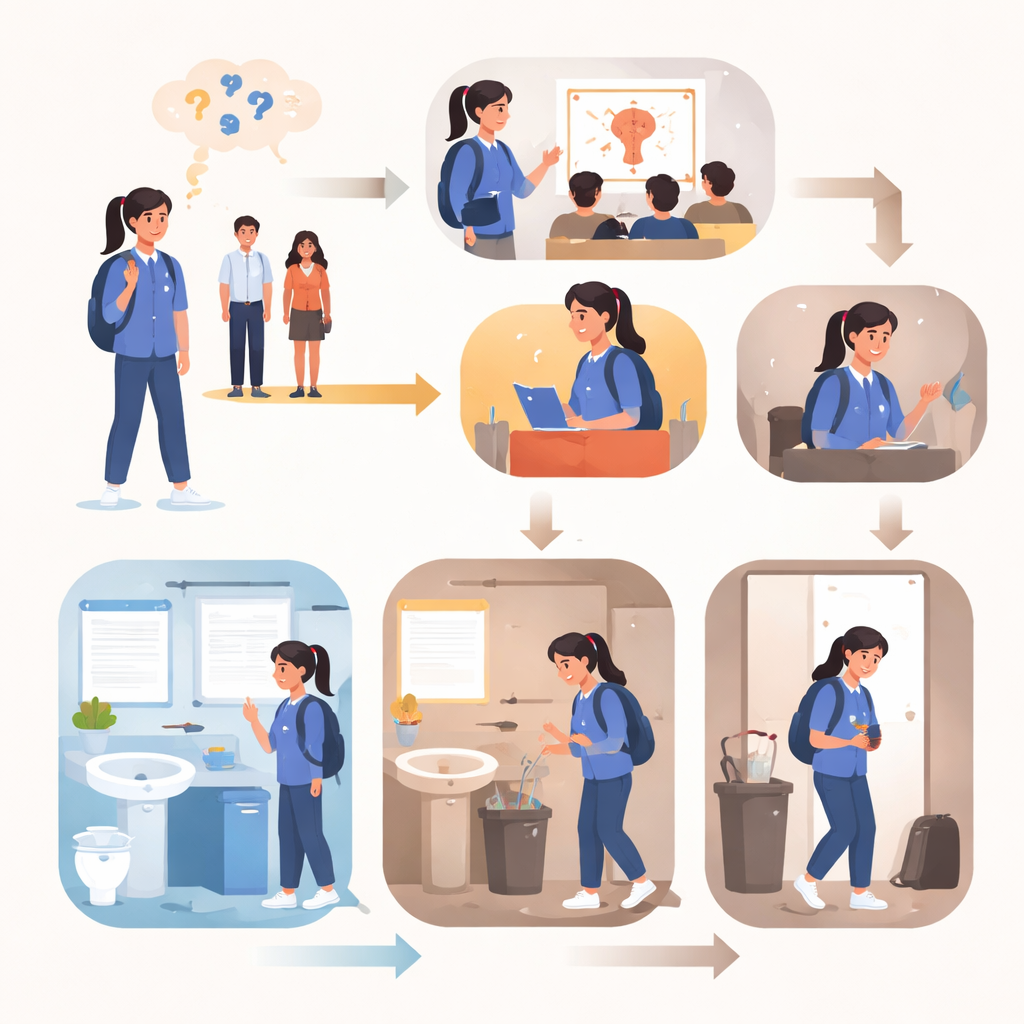
Beyond products and knowledge, the physical and emotional toll was striking. Many students reported severe cramps, fatigue, and mood changes. Nearly half said menstruation disrupted their daily activities, and more than half had trouble taking part in class during their period. Instead of seeking professional help, most relied on home remedies, over-the-counter painkillers, and support from friends. On campus, basic water, sanitation, and hygiene facilities often fell short: toilets were sometimes shared by men and women, lacked privacy, or were not kept clean. Disposal bins were scarce or overflowing, so students resorted to wrapping used pads in paper or discarding them in ways that felt unhygienic and embarrassing, with some accounts of open dumping or burning in rural settings.
Men and Menstruation: From Bystanders to Allies
Including male students offered a rare window into how men encounter menstruation in a culture of silence. Many recalled laughing at blood stains in school simply because they did not understand what they were seeing. Yet sharing classrooms and hostels with female peers in nursing college changed their perspective. Over time, they noticed the pain, tiredness, and emotional strain their classmates experienced and became more aware of the need for privacy and better disposal options. This shift from ignorance to empathy suggests that when men are brought into the conversation, they can become supporters rather than sources of stigma.
Toward Dignity in Health Training
Overall, the study shows that even future health professionals cannot manage menstruation well if they lack early education, affordable products, and decent toilets. Menstruation emerges as both a gender issue and a systems issue: it is shaped by social rules about modesty, by family income and parental education, and by how schools design and maintain their facilities. The authors argue that nursing colleges and policymakers need to treat menstrual health as a basic requirement for learning and wellbeing. That means providing clear, gender-inclusive lessons on menstruation, setting minimum standards for clean and private toilets with safe disposal, and ensuring access to affordable products and pain care. When these pieces are in place, nursing students can experience their own periods with dignity—and be better prepared to support the menstrual health of the communities they will serve.
Citation: Zaman, M.N.U., Sai, A. & Yamauchi, T. Knowledge, economic, and WASH challenges affecting menstrual health and hygiene among nursing students in Bangladesh using a mixed-methods approach. Sci Rep 16, 12932 (2026). https://doi.org/10.1038/s41598-026-41531-1
Keywords: menstrual health, nursing students, Bangladesh, sanitation and WASH, gender and stigma