Clear Sky Science · en
New predicted dual CDK-2/CDK-1 inhibitors from Aspergillus unguis isolate SP51-EGY with relative selectivity for colorectal cancer cells: a computational and experimental approach
Sea Creatures and a New Hope for Colon Cancer
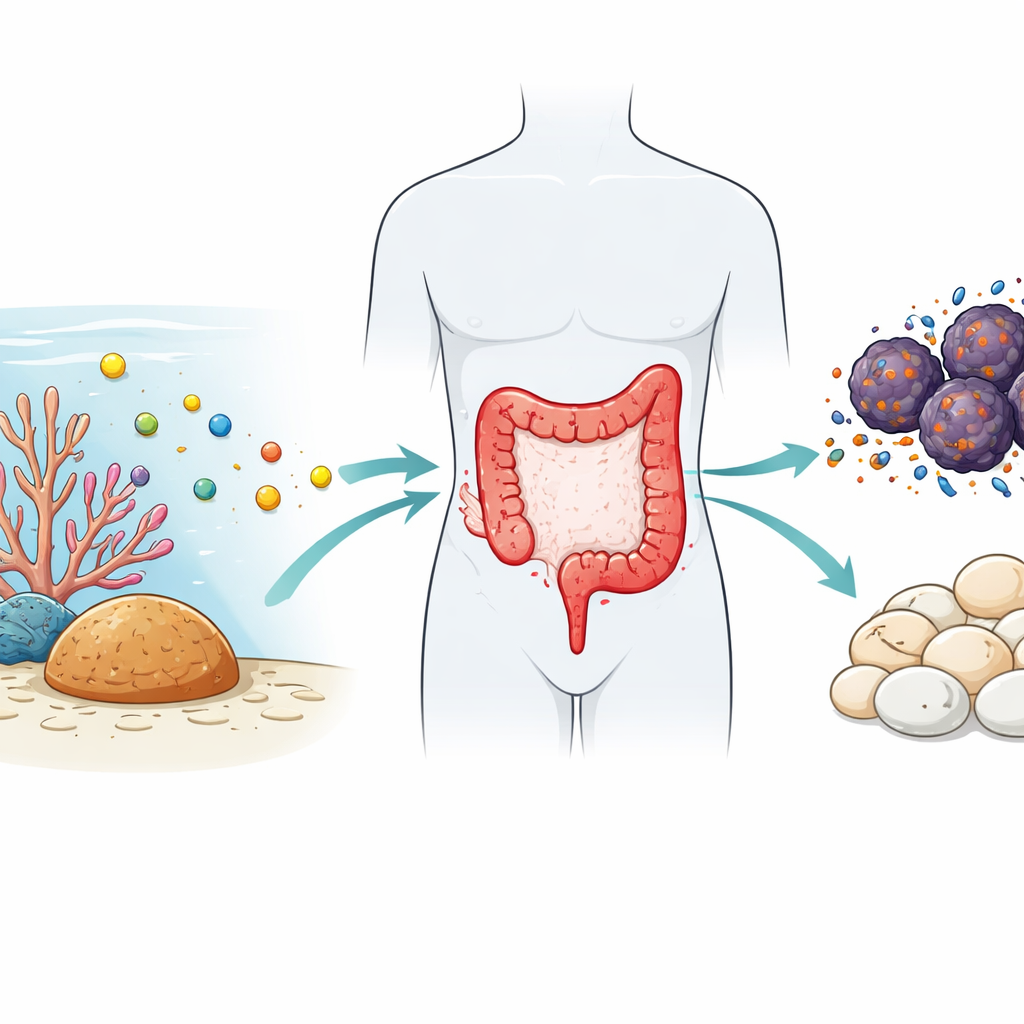
Colorectal (colon) cancer is one of the leading causes of cancer death worldwide, and many current treatments damage healthy cells almost as much as tumors. This study explores an unusual ally in the search for gentler, more precise drugs: a marine fungus called Aspergillus unguis, isolated from the Red Sea. By combining cell experiments with advanced computer simulations, the researchers suggest that molecules from this fungus may selectively shut down key engines of cancer cell growth while largely sparing normal cells.
Why Stopping the Cell Cycle Matters
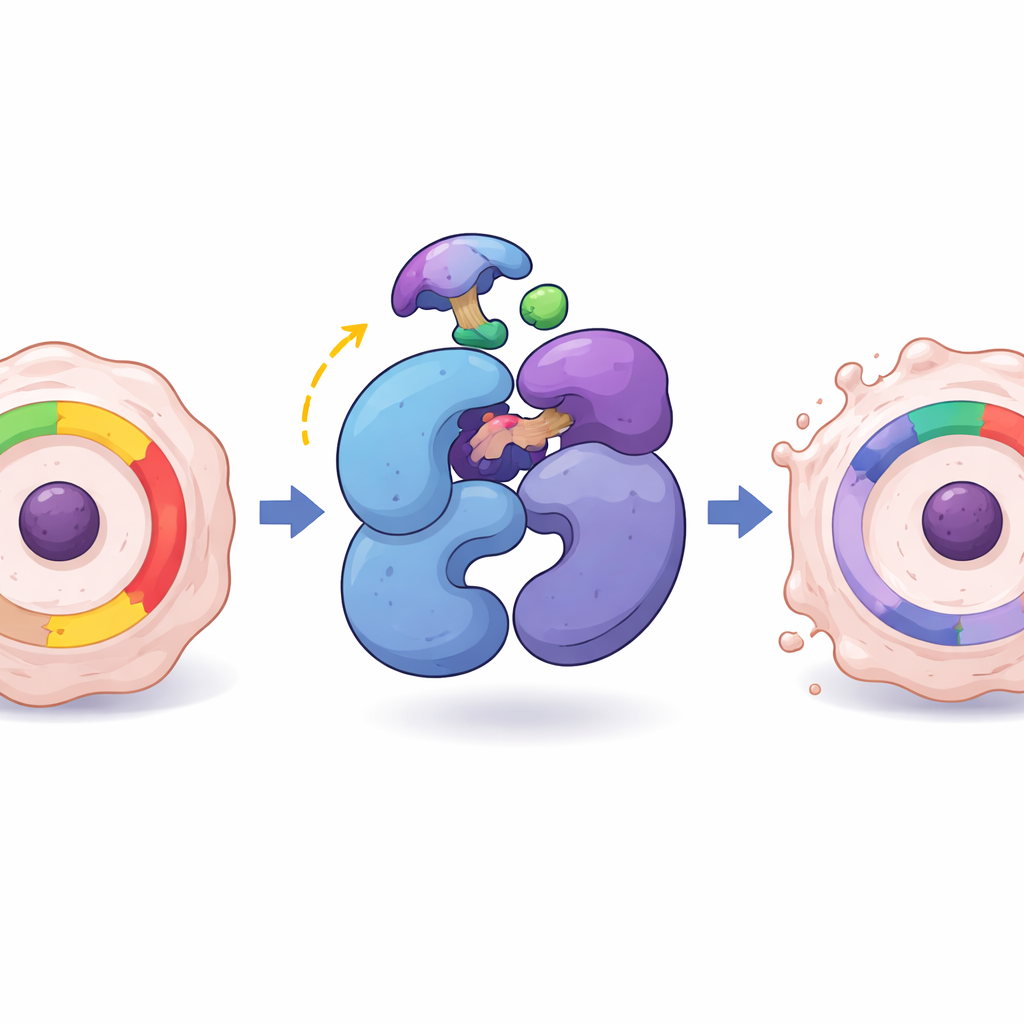
Every cell in our body follows a carefully timed cycle as it grows and divides. This cycle is driven by enzymes called cyclin-dependent kinases, or CDKs, which act like traffic lights at major checkpoints. Two of them, CDK1 and CDK2, help cells move through critical transitions where DNA is copied and cells split in two. In many colon cancers, these molecular switches are stuck in the “go” position, allowing cells to grow uncontrollably and resist self-destruct signals. Drugs that can turn down both CDK1 and CDK2 at once are therefore especially attractive, but existing compounds often harm healthy tissues or lack the right balance of potency and safety.
Fungal Extracts that Target Tumor Cells
The team grew Aspergillus unguis under different conditions and prepared several extracts from its cells and surrounding liquid. They then tested these extracts on human colon cancer cells (HCT116), liver cancer cells, and normal retinal cells. One extract, taken from the shaken fungal mycelia and called the “Sh cell” extract, stood out. It killed colon cancer cells at very low doses while showing much milder effects on normal cells and little activity against the liver cancer line. By comparison, the common chemotherapy drug doxorubicin was powerful against cancer cells but also strongly toxic to normal cells. These results suggested that the fungal extract contains substances with an unusual degree of selectivity toward colon cancer.
Using Computers to See How Molecules Work
To understand what might be happening inside the cells, the researchers analyzed the active extract with gas chromatography–mass spectrometry, which provided a list of 17 candidate molecules. None were known cancer drugs. They then used a series of in silico (computer-based) tools to see how each compound might fit into the three-dimensional structures of CDK1 and CDK2. Two molecules, labeled as compound 7 and compound 14, consistently showed the strongest binding in docking tests and in more detailed molecular dynamics simulations, which follow the motions of atoms over time. These simulations suggested that both compounds nestle into the same pocket where the cell’s own fuel molecule, ATP, normally binds, and that they interact with specific protein building blocks important for function. Energy calculations indicated stable, favorable binding across CDK1 and CDK2 complexes involved in key cell-cycle transitions.
From Cell Death to Drug-Like Properties
Beyond their predicted grip on CDK1 and CDK2, the two fungal compounds also showed encouraging “drug-like” behavior in computer models of absorption, distribution, metabolism, and toxicity. Both had molecular sizes and solubility profiles in the range of successful oral medicines, and neither was flagged as mutagenic or cancer-causing. Compound 7, in particular, combined strong binding, structural stability, good predicted intestinal absorption, and a favorable safety profile. Compound 14 appeared more oily, which can complicate development but may also enhance binding to the largely oily pocket where ATP binds. Together, these features support the idea that the fungal extract’s cell-killing effects in colon cancer are at least partly due to selective shutdown of CDK1 and CDK2 by these two molecules.
What This Could Mean for Future Treatments
For non-specialists, the bottom line is that this Red Sea fungus may harbor new small molecules that act like targeted brakes on cancer cell division, focusing on colon cancer cells while leaving normal cells relatively unharmed in lab tests. The evidence so far comes from a powerful but indirect combination of cell culture experiments and computer simulations, which generate a clear and testable picture: compounds 7 and 14 likely compete with ATP to block CDK1 and CDK2, freezing tumor cells at two key checkpoints in their life cycle. The authors stress that the structures of these compounds are still tentative, and that direct biochemical tests on purified molecules are essential next steps. If confirmed, these fungal products could become starting points for a new class of colon cancer therapies inspired by life in the sea.
Citation: El-Rashedy, A.A., Ibrahim, A.M., Abdel-Aziz, M.S. et al. New predicted dual CDK-2/CDK-1 inhibitors from Aspergillus unguis isolate SP51-EGY with relative selectivity for colorectal cancer cells: a computational and experimental approach. Sci Rep 16, 12181 (2026). https://doi.org/10.1038/s41598-026-41120-2
Keywords: colorectal cancer, cyclin-dependent kinases, marine fungi, natural product drug discovery, cell cycle arrest