Clear Sky Science · en
Near telomere-to-telomere genome assembly of the stone loach (Traccatichthys pulcher)
A Bright Little Fish with a Big Genetic Story
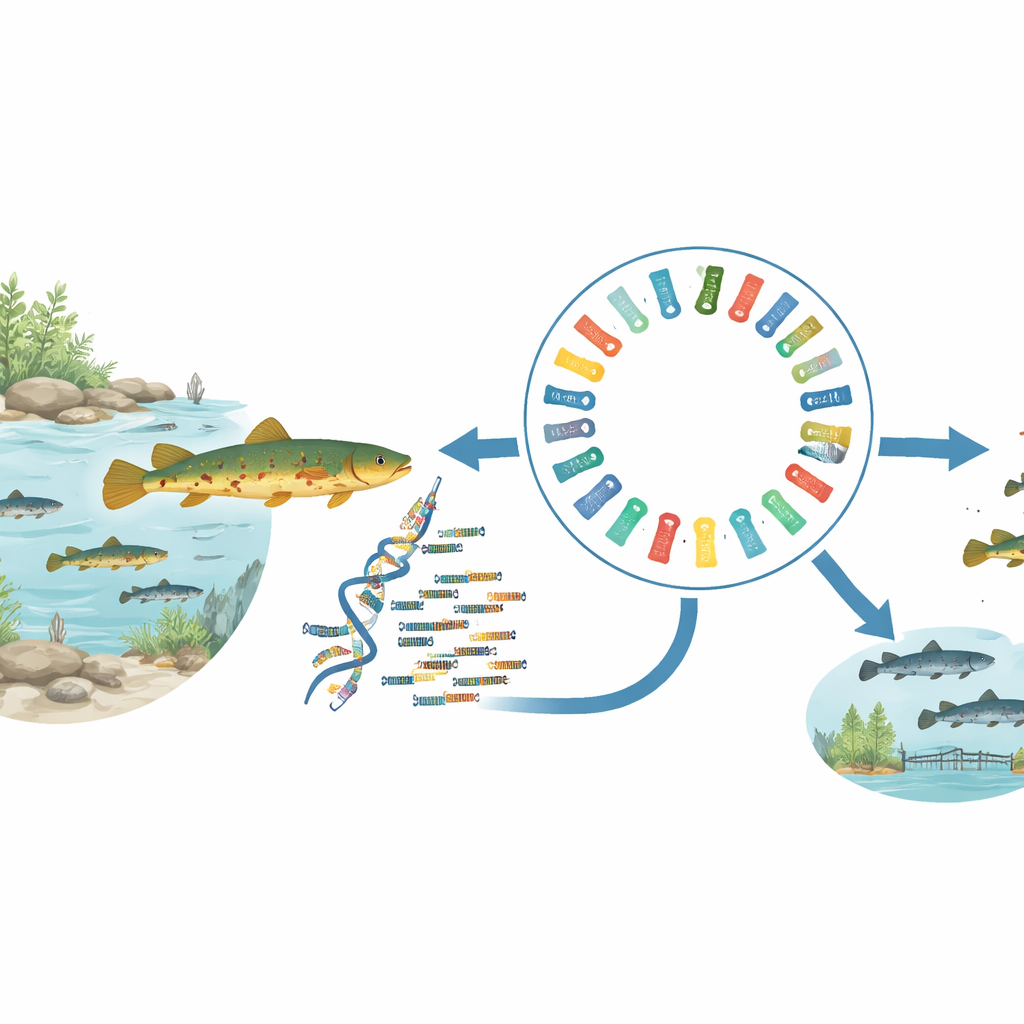
The stone loach Traccatichthys pulcher is a small freshwater fish prized in home aquariums for its shimmering green stripes and sharp black fin edge. But beneath its colorful skin lies a genetic blueprint that can reveal how river fish adapt to fast‑flowing streams, how new species evolve, and how we might better protect and breed them. This study delivers a nearly complete map of that blueprint, giving scientists an unusually detailed look at the loach’s DNA from one end of its chromosomes to the other.
Where This Stream Fish Lives and Why It Matters
Traccatichthys pulcher belongs to a group of stone loaches that live in rocky streams across southern China and parts of Southeast Asia. Its populations are scattered among islands, river basins, and coastal watersheds, which makes it an attractive model for studying how geography and water flow shape evolution. At the same time, the fish’s bright colors make it valuable in the ornamental trade. Until now, however, researchers lacked a high‑quality reference genome—a master copy of its DNA sequence—needed to answer questions about its origins, natural variation, and how best to manage wild and farmed stocks.
Building a Near-End-to-End Genome Map
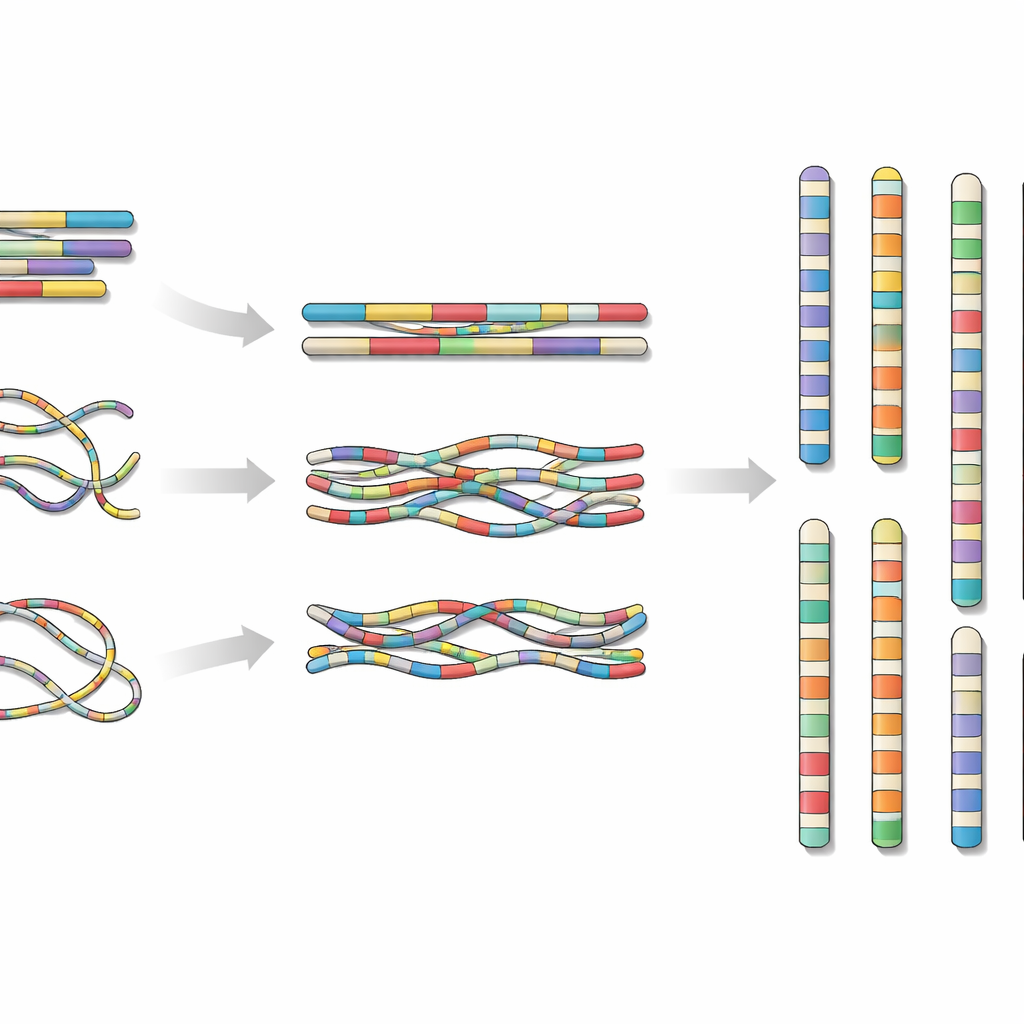
To tackle this, the team collected a single loach from Hainan Island and extracted DNA and RNA from its tissues. They combined three cutting‑edge sequencing approaches: highly accurate long reads from one platform, ultra‑long reads from another, and a technique called Hi‑C that reveals how pieces of DNA are physically arranged in the cell’s nucleus. By feeding these different streams of data into specialized assembly software and carefully checking and fixing errors, they stitched together the fish’s DNA into 24 chromosome‑scale pieces, covering about 624 million “letters” of genetic code.
Checking the Gaps and Hidden Repeats
The resulting genome was almost completely continuous. Twenty‑three chromosomes had no gaps at all, and the last chromosome contained just one tiny unresolved region in a highly repetitive stretch of non‑coding DNA. The researchers also looked for telomeres—the protective caps at the ends of chromosomes—and found them at both ends of eight chromosomes and at one end of most of the others, a sign that the assembly reached very close to the true chromosome tips. They cataloged repetitive elements, such as mobile DNA sequences, which together made up about one‑fifth of the genome, and mapped where genes tend to cluster relative to these repeats.
Finding and Validating the Genes
Next, the team turned this long string of DNA into a functional parts list. They predicted genes in several ways: by recognizing common gene patterns directly in the sequence, by comparing it to known genes from related fish, and by using RNA data that show which sections of DNA are actively used in the body. By merging these lines of evidence, they identified nearly 24,000 protein‑coding genes, and tests against a standard set of conserved fish genes showed that more than 97% were present. Additional checks confirmed that the chromosomes lined up well with those of a related loach species, further supporting the accuracy of the new genome.
What This New Genome Opens Up
To a lay reader, the end result is a reference manual for Traccatichthys pulcher that is about as complete as present technology allows. With this near end‑to‑end genome in hand, scientists can now search for the genes that shape the loach’s colors and patterns, track how its scattered populations are related, and explore how stream‑dwelling fish cope with changing mountain environments. Conservation planners gain a powerful tool for monitoring genetic health in the wild, while breeders can use the information to develop sustainable ornamental strains. In essence, the study transforms a pretty aquarium fish into a well‑understood model for evolution, ecology, and careful use of freshwater biodiversity.
Citation: Du, LN., Wang, ZC., Chen, ZN. et al. Near telomere-to-telomere genome assembly of the stone loach (Traccatichthys pulcher). Sci Data 13, 492 (2026). https://doi.org/10.1038/s41597-026-06849-5
Keywords: genome assembly, stone loach, freshwater fish, conservation genetics, ornamental fish breeding