Clear Sky Science · en
Biological age and immunosenescence in Colombian centenarians
Why some people reach 100 and keep going
Reaching 100 years of age is rare, but doing so with a body and mind that still function reasonably well is even more unusual. This study followed Colombian men and women who had all passed their 100th birthday to ask a simple question with big implications: why do some of them seem biologically "younger" than others the same age? By looking at blood tests, immune cells, mood, and daily function, the researchers tried to untangle how lifestyle, mental health, and the immune system shape the pace of aging in extreme old age.
Looking beyond the number of candles
Doctors often distinguish between chronological age (how many years you have lived) and biological age (how worn your body actually is). The team used a composite blood-based score called PhenoAge to estimate biological age in 160 Colombian centenarians, average age 102. Even in this narrow age range, biological age varied widely: some looked younger than 100 on their lab work, others older. On average, biological and chronological age moved together, but the spread around that trendline was large, hinting that different people age at different speeds even after 100.
Quality of life, mood, and habits still matter
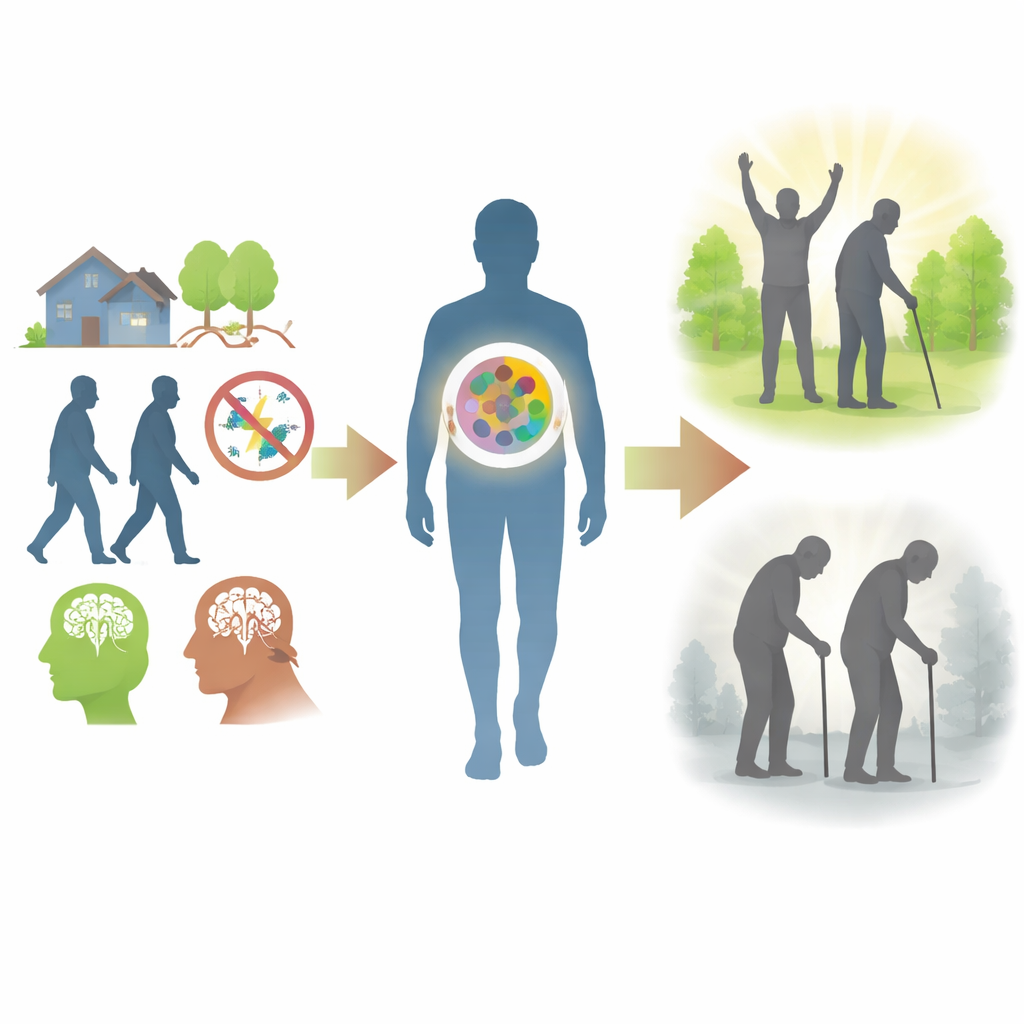
Far from being a uniform group, these centenarians differed in health, function, and outlook. About a third were free of major age-related diseases, most were frail or had weak muscles, and many had some degree of memory problems. Yet over two-thirds said they were satisfied with life. When the scientists compared these experiences to biological age, clear patterns emerged. Those who reported better quality of life felt healthier and more capable in daily life and tended to have lower biological ages. In contrast, severe depressive symptoms and a history of smoking were linked to "older" biology, even decades after quitting. Regular physical activity showed a trend toward slower aging, reinforcing the idea that movement and mental well-being remain powerful at very advanced ages.
The immune system’s surprising role
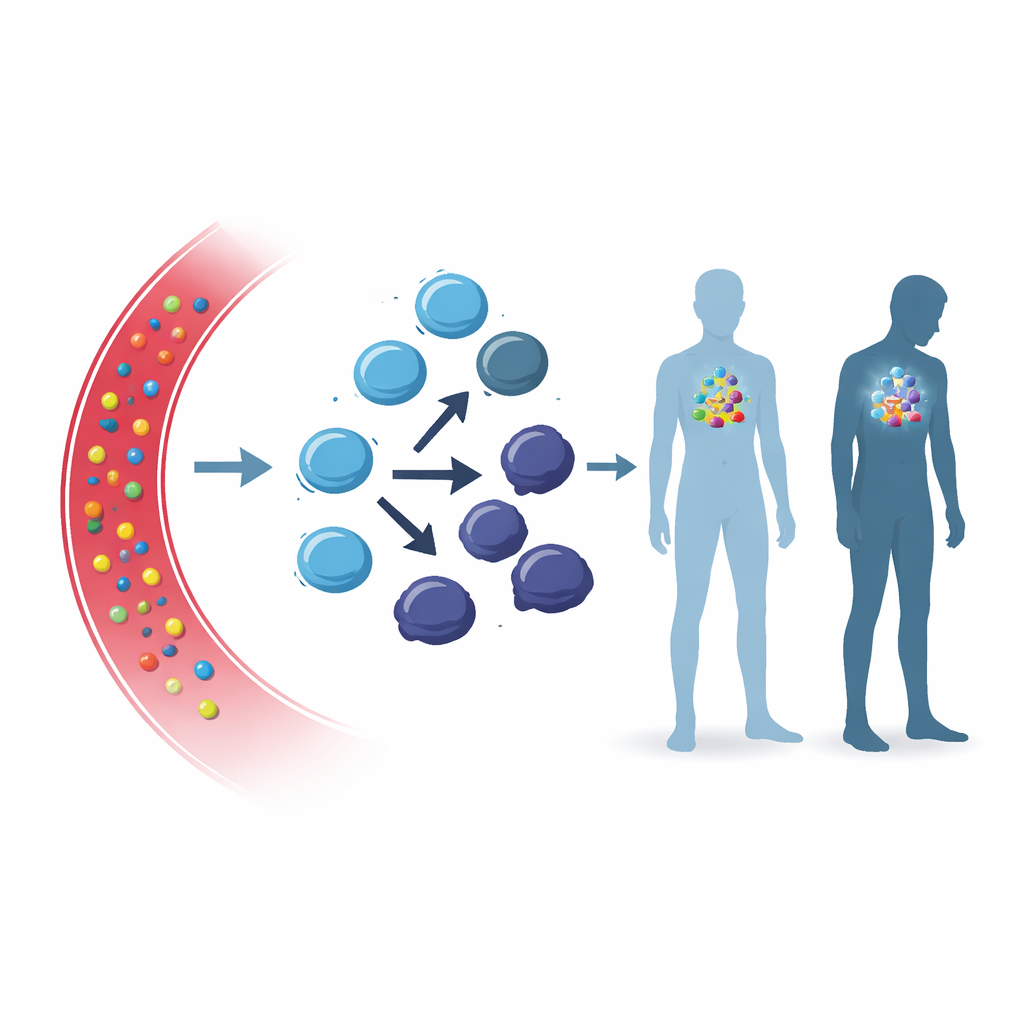
Aging is often described as a slow breakdown of the immune system, marked by low-grade, chronic inflammation. To see whether this was unavoidable in centenarians, the researchers measured a panel of signaling molecules in the blood and examined detailed types of T cells, the white blood cells that organize many immune responses. Two signals stood out: RANTES and G-CSF, both involved in guiding immune cells and bone marrow activity. Higher levels of these markers were tied to higher biological age, suggesting that even modest, persistent immune activation can push the body to age faster. Yet overall, the centenarians did not all show a simple picture of a worn-out immune system. Many still had a mix of naïve and memory T cells, and a generally healthy balance between major immune cell types.
Not one kind of centenarian, but three
To make sense of this diversity, the team grouped centenarians based on quality of life, nutrition, physical performance, independence in daily tasks, and thinking skills. Three patterns emerged: "vigorous" centenarians (a small minority) were relatively independent and strong; "resilient" ones managed fairly well despite health challenges; and "vulnerable" ones were frail and more limited. Surprisingly, levels of inflammatory molecules were similar across these groups. What did differ, especially in the small vigorous group, was the pattern of immune cells, with higher levels of certain memory T cells that may reflect a well-trained, still-effective immune defense. This suggests that in some people, the immune system is not simply fading with age but reorganizing in a way that preserves function.
What this means for aging well
For a layperson, the core message is that reaching 100 is not only about genes or luck. In this group of Colombian centenarians, those who felt better about their lives, avoided or quit smoking, stayed active, and had more balanced immune signals tended to be biologically younger than their peers. The study challenges the notion that a failing immune system is an unavoidable part of extreme old age and instead points to a more nuanced picture, where some people maintain immune resilience and a slower pace of aging. In the long run, measuring biological age alongside mood, lifestyle, and immune health could help doctors identify older adults at higher risk of decline and guide strategies to extend not just lifespan, but the years lived in good health and dignity.
Citation: Anaya, JM., Ruiz-Narváez, E.A., Lozada-Martinez, I.D. et al. Biological age and immunosenescence in Colombian centenarians. npj Aging 12, 60 (2026). https://doi.org/10.1038/s41514-026-00340-6
Keywords: biological age, centenarians, immune aging, quality of life, inflammaging