Clear Sky Science · en
Pan-tumor activity of olomorasib, a next-generation KRAS G12C inhibitor in KRAS G12C-mutant advanced solid tumors: a first-in-human study
Why this new cancer drug matters
Many cancers are driven by a faulty switch in cells called KRAS, which tells tumors to grow and spread. A specific version of this switch, known as KRAS G12C, appears in lung, colon, and several other solid tumors and has long been considered very hard to shut off. New drugs have recently begun to target it, but they can cause side effects and do not work equally well in all cancers. This study reports the first-in-human results of olomorasib, a next-generation pill designed to block KRAS G12C more efficiently and, the researchers hope, more safely across many different tumor types.
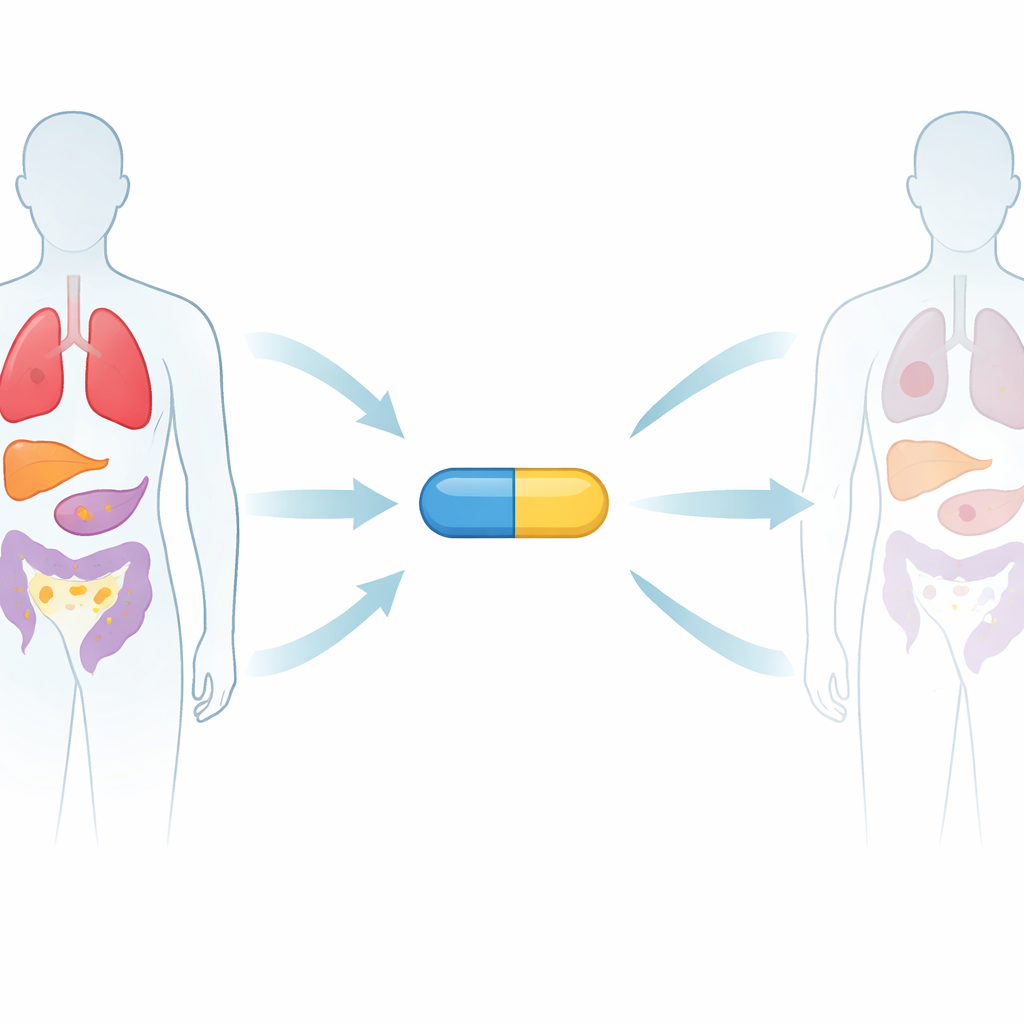
A pill aimed at a stubborn cancer switch
Olomorasib is an experimental oral drug built to latch onto the KRAS G12C protein and lock it in an “off” state. Earlier drugs of this kind have already helped patients with a form of lung cancer, but their use has been limited by side effects and by the fact that not all KRAS G12C tumors respond well. In laboratory models, olomorasib showed strong tumor shrinkage at relatively low doses and maintained very high coverage of its target over time. The goal of this clinical trial was to see if those advantages would carry over to real patients: Could doctors safely give enough of the drug to keep KRAS G12C switched off, and would that translate into meaningful tumor control across many cancers?
How the study was carried out
The trial enrolled 195 adults with advanced, often heavily pretreated, solid tumors that all shared KRAS G12C mutations. Patients had cancers such as non-small cell lung cancer, colorectal cancer, pancreatic cancer, and several rarer tumor types, and most had already received multiple lines of therapy. In the first part of the study, doses of olomorasib ranging from 50 to 200 milligrams twice daily were tested to find a recommended dose for future trials. In the second part, groups of patients with specific cancers received the chosen dose to better understand safety and early signs of benefit, including in people whose cancer had spread to the brain or who had already tried another KRAS G12C drug.
What the researchers observed
Across all dose levels, olomorasib was generally well tolerated. Almost all patients had at least one side effect, but treatment-related problems were usually mild, such as low-grade diarrhea, nausea, or fatigue. Only 7% of patients had more serious treatment-related side effects, and none had the most severe, life-threatening grades. Very few people needed to stop the drug because of side effects, and dose reductions were uncommon, suggesting that safety did not worsen at higher doses. Based on how the drug behaved in the bloodstream and how completely it seemed to cover its target, the team chose 150 milligrams twice daily as the best balance of exposure and tolerability.
When the researchers looked at tumor responses, they found that olomorasib worked better in non–colorectal cancers than in colorectal cancer. Among 168 patients whose tumors could be evaluated, those with lung and other non-colorectal tumors were more likely to have their cancers shrink and tended to stay progression-free longer than patients with colorectal cancer. Signals of activity were seen in 14 different tumor types. A blood-based test that tracks pieces of tumor DNA circulating in the bloodstream often showed that the KRAS G12C signal dropped dramatically or even disappeared, sometimes even in patients who did not meet standard imaging criteria for tumor shrinkage. Importantly, several patients with untreated brain metastases from lung cancer showed marked shrinkage of brain lesions on scans.
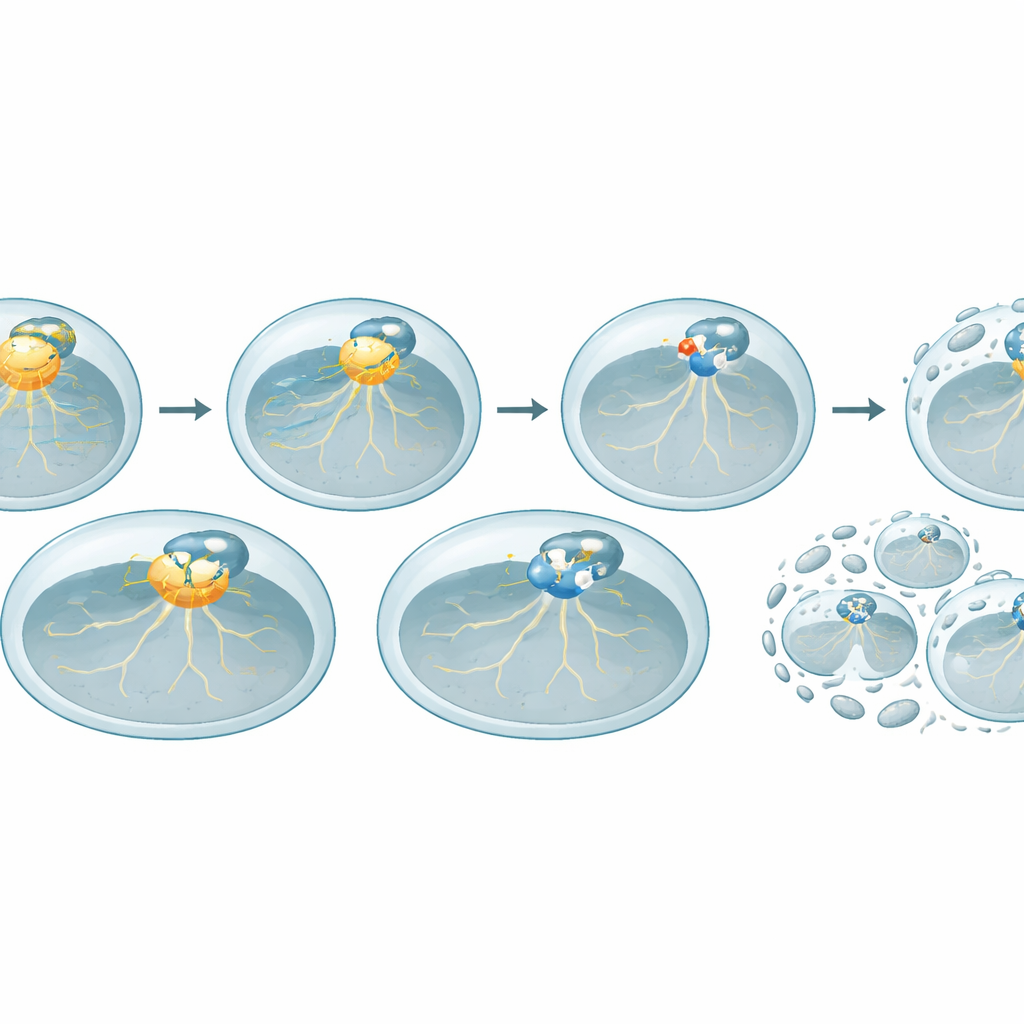
Benefits even after earlier KRAS drugs
The study also focused on patients who had already been treated with a first-generation KRAS G12C inhibitor and either stopped because their cancer grew or because they could not tolerate side effects. In 38 such patients with lung cancer, olomorasib still produced a substantial rate of tumor shrinkage and a meaningful period before the disease worsened again. Some patients whose tumors carried genetic changes that are thought to confer resistance to earlier KRAS G12C drugs still showed molecular and radiographic improvement on olomorasib. Those who had discontinued prior treatment due to toxicity often tolerated olomorasib without a return of severe liver problems or other serious side effects.
What this could mean for patients
Overall, this early-phase trial suggests that olomorasib can keep the KRAS G12C switch turned off in many types of advanced cancer while causing relatively few burdensome side effects. It appears especially promising for non-small cell lung cancer and other non–colorectal tumors, and it may offer an option even for patients whose cancers have already been exposed to earlier drugs in this class or have spread to the brain. Colorectal cancer remains more challenging and will likely require combinations with other treatments, such as drugs that block the EGFR pathway. Larger, randomized studies are under way to see whether olomorasib, particularly in combination with immunotherapy or chemotherapy, can improve survival and quality of life, bringing a more tolerable, targeted approach to a group of cancers that were once considered nearly impossible to drug.
Citation: Murciano-Goroff, Y.R., Hollebecque, A., Heist, R.S. et al. Pan-tumor activity of olomorasib, a next-generation KRAS G12C inhibitor in KRAS G12C-mutant advanced solid tumors: a first-in-human study. Nat Commun 17, 3834 (2026). https://doi.org/10.1038/s41467-026-69943-7
Keywords: KRAS G12C, olomorasib, targeted cancer therapy, non-small cell lung cancer, solid tumors