Clear Sky Science · en
Nicotinamide N-methyltransferase as a therapeutic target in taxane-resistant castration-resistant prostate cancer
When Cancer Drugs Stop Working
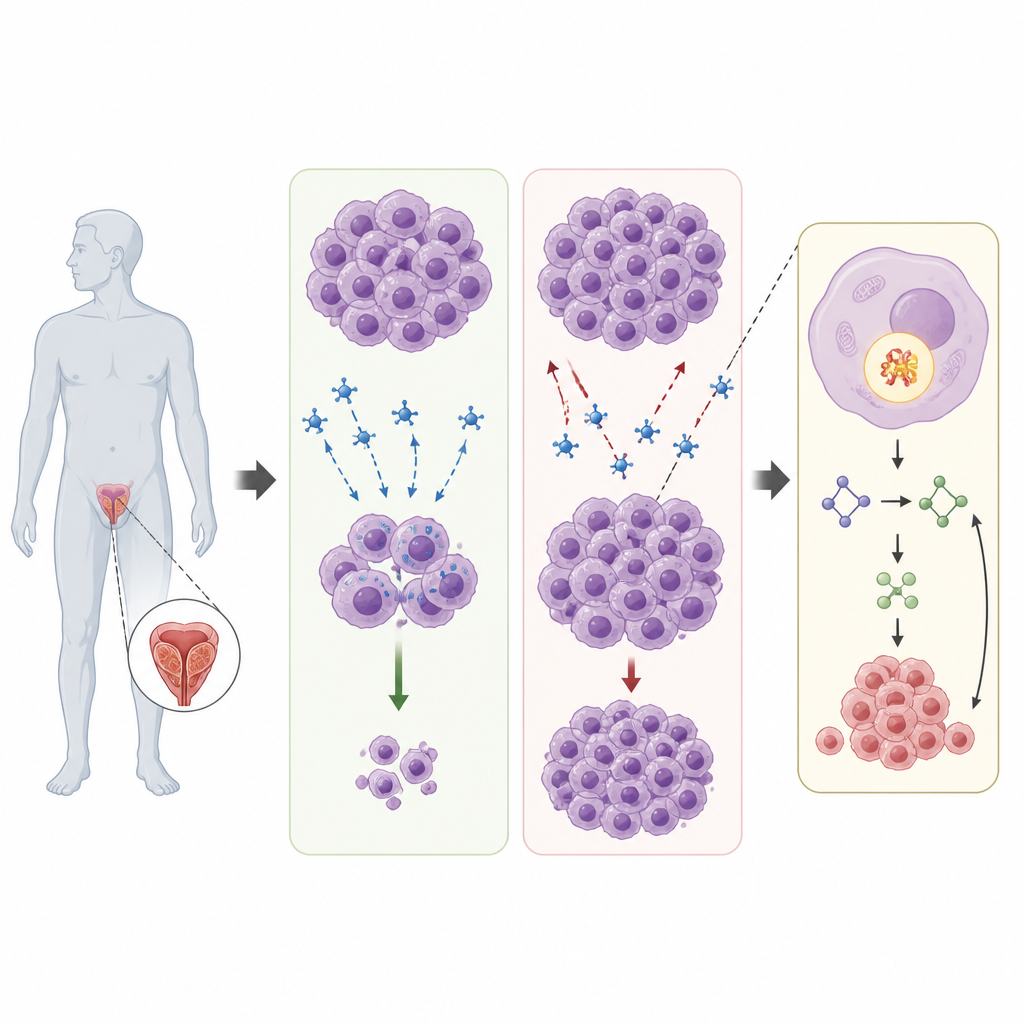
Many men with advanced prostate cancer rely on powerful chemotherapy drugs called taxanes to keep their disease in check. Yet over time, tumors often learn to survive these medicines, leaving patients with fewer options. This study asks a simple but critical question: what changes inside cancer cells allow them to shrug off taxane treatment, and can those changes be switched off again?
Building a Lab Model of Tough-to-Treat Tumors
To explore this problem, the researchers first recreated drug-resistant prostate cancer in the lab. They repeatedly exposed prostate cancer cells to two standard taxane drugs, docetaxel and cabazitaxel, allowing only the hardiest cells to survive each round. Over several months, this “training” produced new cell lines that no longer responded to taxanes, much like tumors that stop shrinking in patients. The team confirmed that these cells required far higher drug doses to be killed and that the drugs no longer locked onto their usual target structures inside the cells.
Scanning the Cell’s Control Systems
Next, the scientists took a broad look at what had changed inside the resistant cells. They measured both gene activity and the actual proteins present, then searched for signals that consistently rose or fell in resistance to both drugs. Several known players reappeared, including ABCB1, a protein pump that ejects chemotherapy from cells. More intriguingly, they uncovered two less familiar shifts: a strong drop in a possible tumor suppressor called CRIP2, and a marked rise in an enzyme named nicotinamide N methyltransferase, or NNMT. Because NNMT had not previously been linked to resistance against taxanes in prostate cancer, it became the main focus of the study.
An Enzyme that Shields Cancer Cells
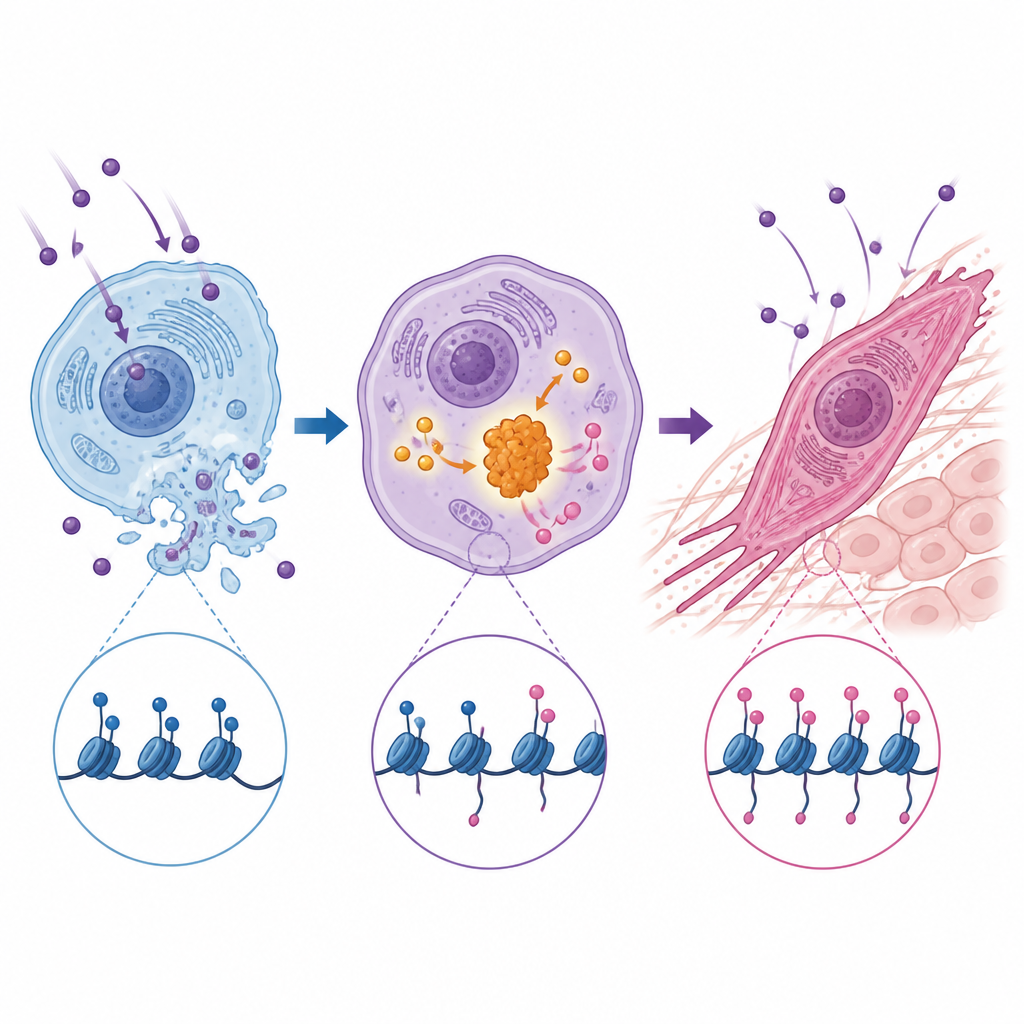
NNMT helps manage cellular energy and chemical tags that decorate DNA packaging. In many cancer types, higher NNMT levels are tied to invasion and spread. Here, the team showed that resistant prostate cancer cells produced far more NNMT than their drug sensitive parents, and that this increase went hand in hand with reduced chemical marks on DNA-associated proteins. When they blocked NNMT using genetic tools or a small molecule that feeds back on the enzyme, the resistant cells slowed their growth and regained much of their sensitivity to docetaxel and cabazitaxel. In contrast, forcing normally sensitive cells to make extra NNMT made them harder to kill with taxanes and boosted their ability to form new colonies.
Linking Resistance to a Shape-Shifting Program
The researchers then asked how NNMT might be helping cells escape chemotherapy. Detailed gene activity profiling of cells lacking NNMT revealed that whole networks tied to cell movement and tissue remodeling were dialed down. These networks are part of a broader shift called epithelial mesenchymal transition, or EMT, in which cancer cells loosen their attachments and become more mobile and invasive. A key signaling route that encourages EMT, the TGF beta pathway, was also dampened when NNMT was removed. Inhibiting this pathway with a dedicated drug further increased the ability of taxanes to kill resistant cells, especially when NNMT was already knocked out, suggesting that NNMT and TGF beta work together to sustain resistance.
Clues from Patient Data
To see whether these lab findings mattered in real cancers, the team mined large public databases of tumor samples. Across many cancer types, patients whose tumors had higher NNMT levels tended to do worse. In advanced prostate cancer, high NNMT was linked to more aggressive features such as higher Gleason scores and lymph node spread. In separate groups of patients with other tumors treated with taxane-based chemotherapy, those who failed to respond had higher NNMT levels than responders. Importantly, in cancers that already displayed a strong EMT signature, elevated NNMT was tied to shorter survival, while in tumors lacking this signature, NNMT levels mattered far less.
What This Could Mean for Patients
Altogether, the work paints NNMT as a central switch that helps prostate cancer cells adopt a more flexible, mobile identity that also blunts the effects of taxane drugs. By dialing NNMT up or down, the researchers could push cells toward resistance or restore their vulnerability in the lab. Although the models used here represent only a subset of advanced prostate cancers, the findings suggest that blocking NNMT itself, or the TGF beta and EMT pathways it influences, could become a way to resensitize stubborn tumors to existing chemotherapy rather than replacing these drugs entirely.
Citation: Cevatemre, B., Karyemez, E., Bulut, I. et al. Nicotinamide N-methyltransferase as a therapeutic target in taxane-resistant castration-resistant prostate cancer. Cell Death Discov. 12, 254 (2026). https://doi.org/10.1038/s41420-026-03110-1
Keywords: prostate cancer, drug resistance, taxane chemotherapy, NNMT, TGF beta signaling
See more on the researcher's website: https://research.ku.edu.tr/research-infrastructure/laboratories/caalab/