Clear Sky Science · en
Inhibition of c-FLIP alongside TRAIL treatment suppresses prostate cancer stem cell activity
Why this research matters for men and their families
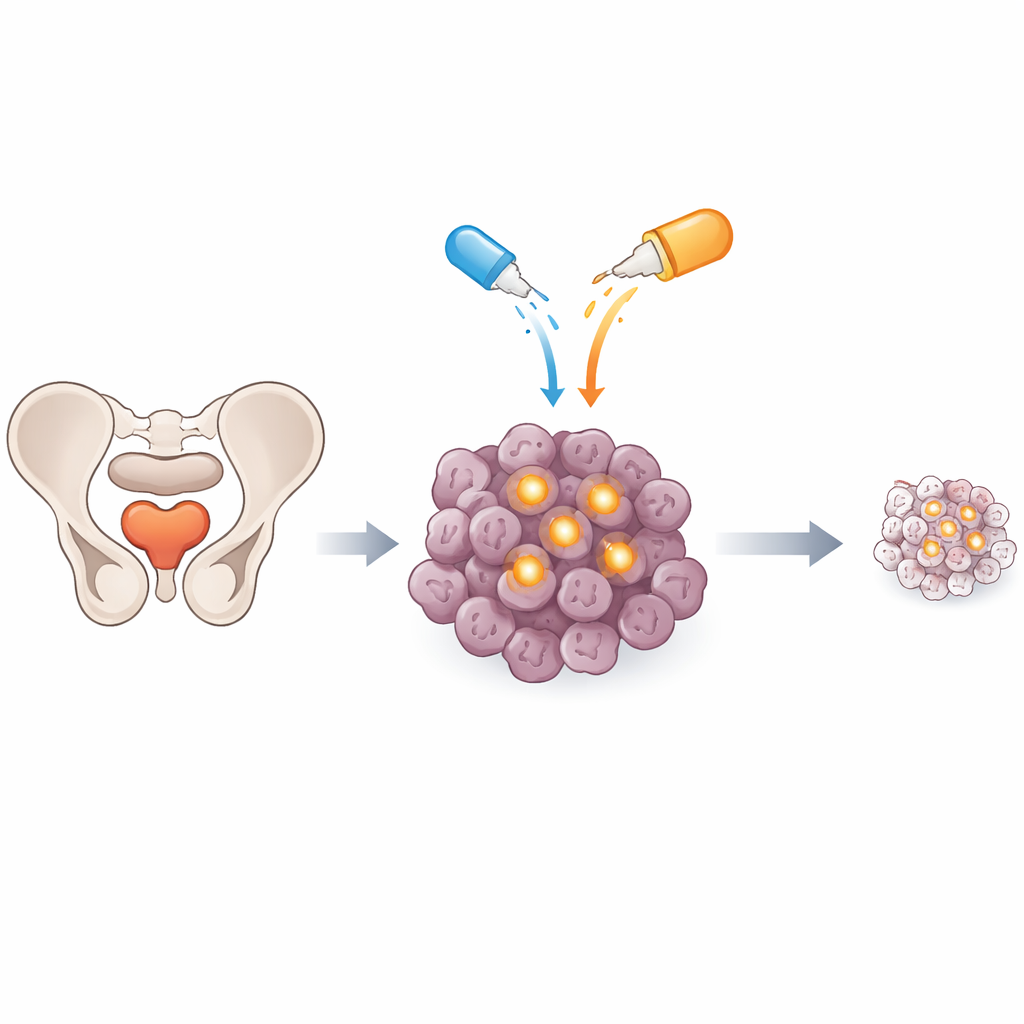
Prostate cancer is one of the most common cancers in men, and while many cases are treatable, aggressive forms often come back after standard therapies and can be deadly. A major culprit is a small reserve of hardier cells, sometimes called cancer stem cells, that can survive treatment and rebuild the tumor. This study explores a new way to attack both the bulk of the tumor and this resilient core by disabling a key survival switch inside the cancer cells and pairing that with existing death‑triggering drugs.
A hidden safety switch inside tumor cells
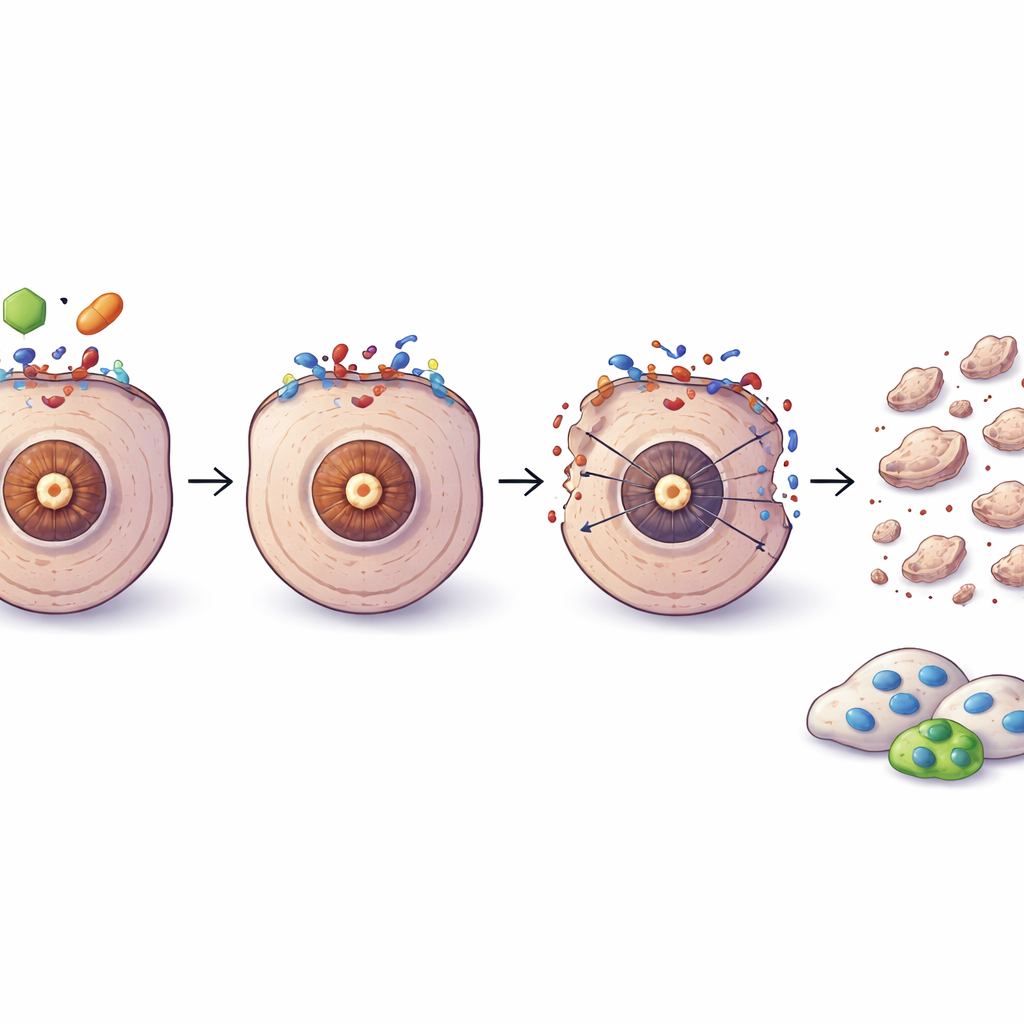
Cancer cells often stay alive by rewiring the normal machinery that would otherwise make damaged cells self‑destruct. One important part of this machinery is a protein called c‑FLIP, which sits in a pathway that normally turns on "programmed cell death" when a danger signal arrives at the cell surface. In prostate tumors, especially in advanced, treatment‑resistant disease, c‑FLIP tends to be high, acting like a safety switch that blocks death signals. The researchers asked whether turning off this switch with a small molecule drug, called OH14, could make prostate cancer cells much more vulnerable to a natural death signal protein known as TRAIL or to the chemotherapy drug docetaxel.
Testing the new drug combination in the lab
First, the team worked with established prostate cancer cell lines grown in dishes, including cells that were normally resistant to TRAIL. On their own, either OH14 or TRAIL had limited impact on cell death. But when cells were briefly exposed to OH14 and then treated with TRAIL, there was a strong wave of programmed cell death, which could be blocked by a caspase inhibitor, confirming that the cell‑suicide pathway was really being switched on. Surviving cells were then seeded at very low numbers to see how many could grow into colonies, a proxy for cancer stem or progenitor activity. The combination of OH14 and TRAIL sharply reduced colony formation compared with either treatment alone, suggesting that the approach hits not only ordinary tumor cells but also the more dangerous stem‑like cells.
Bringing patient tumors and animal models into the picture
The researchers next moved beyond standard cell lines to cells grown directly from men’s prostate tissue, including benign growths and cancers of varying severity. Here too, OH14 reduced cancer cell survival more effectively than TRAIL alone, and combining the two further lowered viability and colony growth, particularly in higher‑grade tumors. To see whether this could matter in a living body, they turned to mice carrying patient‑derived prostate tumors that mimic advanced, hormone‑resistant disease. Tumor cells were harvested, treated outside the body with OH14, TRAIL, or both, and then transplanted back into new mice at different cell doses. Only the combination treatment markedly cut the ability of these cells to start new tumors, indicating a major loss of tumor‑initiating, stem‑like cells.
Targeting advanced and drug‑resistant prostate cancer
Analysis of large genetic datasets showed that as prostate cancer progresses to more aggressive, castration‑resistant forms, the balance between c‑FLIP and TRAIL shifts: c‑FLIP levels tend to rise while TRAIL levels fall, especially in the hardest‑to‑treat subtypes that lack standard hormone targets. This pattern fits with the idea that these tumors become increasingly dependent on the c‑FLIP safety switch for survival. In animal experiments, combining OH14 with the chemotherapy drug docetaxel shrank castration‑resistant tumors far more than docetaxel alone, without obvious added toxicity. In cell models that had already become resistant to docetaxel, blocking c‑FLIP still weakened the cells and modestly restored sensitivity to TRAIL, although resistance was not completely reversed.
What this could mean for future treatments
Overall, the study suggests that drugs which disable c‑FLIP could make existing treatments like TRAIL‑based agents and docetaxel much more effective, especially against aggressive, late‑stage prostate cancers that currently have few good options. By striking both the bulk tumor cells and the smaller pool of stem‑like cells that drive relapse, this strategy aims not just to shrink tumors, but to keep them from coming back. While OH14 itself will need further refinement and safety testing before it reaches the clinic, the work provides a clear blueprint for combination therapies that might one day offer men with advanced prostate cancer longer‑lasting control of their disease.
Citation: Turnham, D.J., French, R., Frame, F.M. et al. Inhibition of c-FLIP alongside TRAIL treatment suppresses prostate cancer stem cell activity. Br J Cancer 134, 1300–1310 (2026). https://doi.org/10.1038/s41416-026-03359-4
Keywords: prostate cancer, c-FLIP inhibition, TRAIL therapy, cancer stem cells, docetaxel resistance