Clear Sky Science · en
Anti-thymocyte globulin (ATG)- or alemtuzumab-based graft-versus-host disease prophylaxis in reduced-intensity conditioning allogeneic hematopoietic cell transplantation (HCT) for patients 40 years and older with acute lymphoblastic leukemia in first complete remission: a study from the EBMT Acute Leukemia Working Party
Why This Study Matters for People Facing Leukemia
For adults over 40 with high-risk acute lymphoblastic leukemia (ALL), a bone marrow or stem cell transplant from a donor can offer the best chance of long-term survival—but it also comes with serious risks. One of the most dangerous is graft-versus-host disease (GVHD), in which the donor’s immune cells attack the patient’s body. Doctors use powerful immune-suppressing drugs to lower this risk, but it has not been clear whether two commonly used options are equally safe and effective. This study directly compares these two strategies in real-world patients across Europe and the UK.
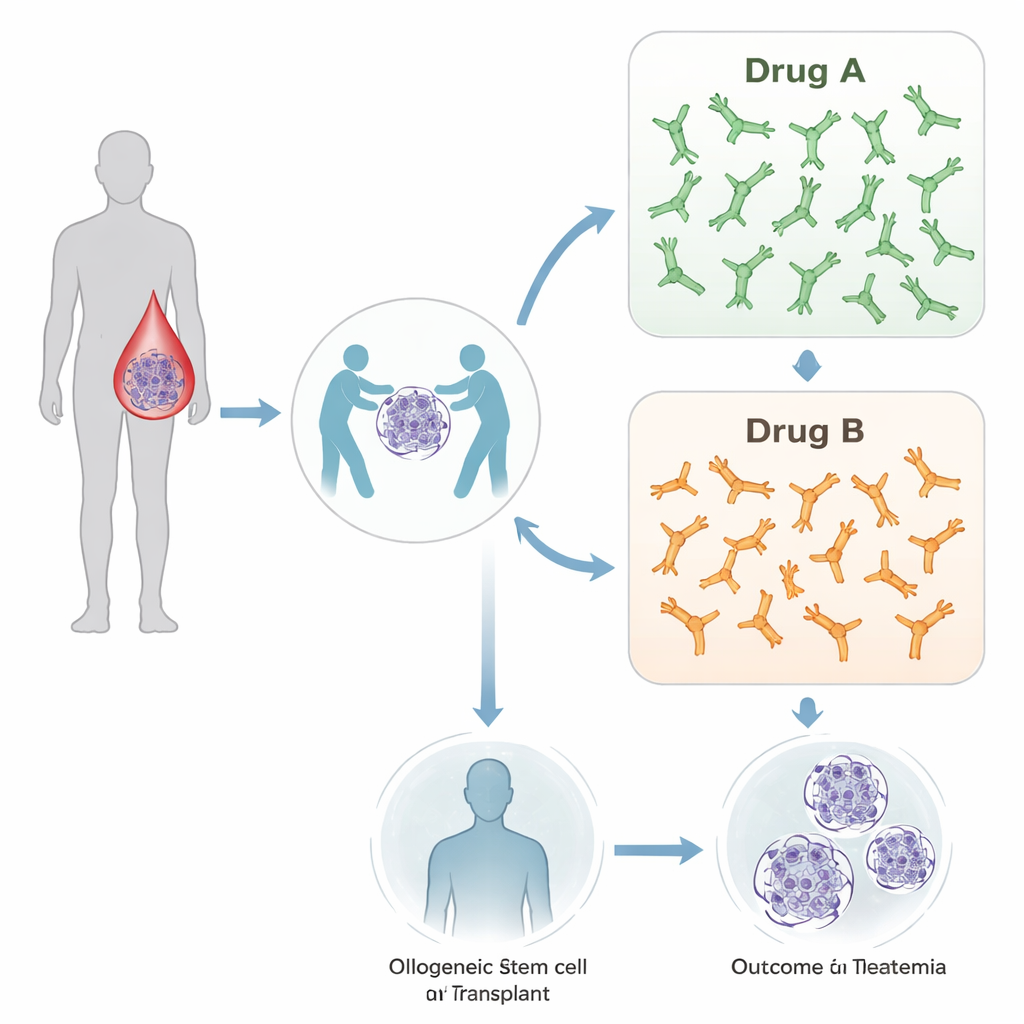
Two Different Tools to Calm the Immune System
When patients receive a stem cell transplant from a closely matched unrelated donor, doctors often use “in vivo T‑cell depletion,” which means weakening certain immune cells inside the body to prevent GVHD. In most of Europe, this is done with anti-thymocyte globulin (ATG), a mixture of antibodies made in rabbits that target human immune cells. In the UK, many centers instead use alemtuzumab, a laboratory-made antibody that recognizes a protein called CD52 on several types of white blood cells. Both drugs aim to strike a delicate balance: they must blunt harmful immune reactions without completely removing the infection-fighting and leukemia-fighting benefits of the donor’s cells.
Who Was Studied and How
Researchers used the large registry of the European Society for Blood and Marrow Transplantation to find adults aged 40 and older with ALL who had their first transplant while in their first complete remission. All received reduced-intensity conditioning—lighter chemotherapy and/or radiation designed to be less toxic for older or more fragile patients—followed by stem cells from a well-matched unrelated donor. From 357 eligible patients, the team carefully matched 90 who received ATG with 90 who received alemtuzumab so that the two groups were similar in age, leukemia subtype (including Philadelphia chromosome–positive and –negative disease, and T‑ALL), and other important clinical features. This matching helps ensure that any differences in outcomes are more likely due to the drugs rather than to differences in the patients themselves.
What Happened After Transplant
After a median follow-up of about three to four years, survival outcomes looked remarkably similar between the two groups. Around two years after transplant, just over half of patients in each group were alive and free of leukemia (about 56% with alemtuzumab and 51% with ATG), and overall survival was almost identical at about 63% in both arms. The chances of the leukemia coming back were also nearly the same (about 24% in each group), as was death from causes other than relapse, such as infections or transplant complications. Rates of severe acute GVHD and extensive chronic GVHD—forms that can be life-threatening or disabling—were low and comparable in both groups. When the researchers combined the risks of GVHD and relapse into a single measure of “GVHD- and relapse-free survival,” the two strategies again performed similarly.
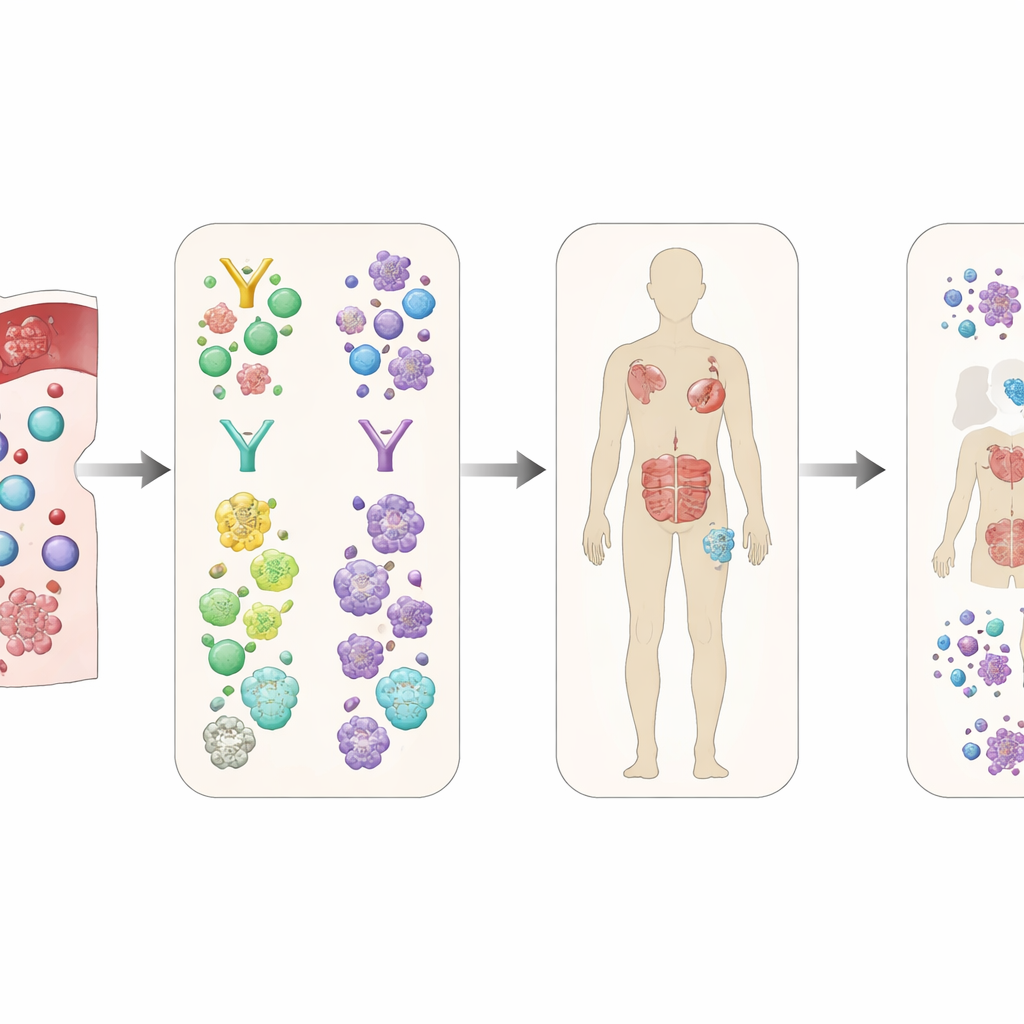
How These Results Fit Into the Bigger Picture
The findings contrast somewhat with earlier work in other blood cancers, where alemtuzumab sometimes appeared to increase relapse risk compared with ATG, especially at higher doses or in patients with less well-matched donors. In this ALL-specific study using matched unrelated donors and generally moderate doses of both drugs, that disadvantage was not seen. The authors note that both ATG and alemtuzumab were used alongside standard transplant drugs such as cyclosporine, methotrexate, or mycophenolate, and that the exact conditioning regimens varied more in the ATG group. Despite these differences, careful statistical matching suggests that the two immune-suppressing strategies themselves are broadly comparable for this patient population.
What This Means for Patients and Families
For older adults with high-risk ALL considering a reduced-intensity stem cell transplant from a matched unrelated donor, this study offers a reassuring message: using either ATG or alemtuzumab to prevent graft-versus-host disease leads to similar chances of survival, similar risks of leukemia returning, and similarly low rates of the most severe forms of GVHD. In other words, the choice between these two drugs can reasonably be guided by local experience, availability, and individual patient factors, rather than fear that one is clearly inferior. GVHD and infections remain major causes of treatment failure, so better strategies are still needed, but this work supports both approaches as valid, evidence-based options in modern transplant care for adults with ALL.
Citation: Bug, G., Labopin, M., Byrne, J.L. et al. Anti-thymocyte globulin (ATG)- or alemtuzumab-based graft-versus-host disease prophylaxis in reduced-intensity conditioning allogeneic hematopoietic cell transplantation (HCT) for patients 40 years and older with acute lymphoblastic leukemia in first complete remission: a study from the EBMT Acute Leukemia Working Party. Bone Marrow Transplant 61, 462–468 (2026). https://doi.org/10.1038/s41409-026-02805-4
Keywords: acute lymphoblastic leukemia, stem cell transplantation, graft versus host disease, alemtuzumab, anti-thymocyte globulin