Clear Sky Science · en
A bibliometric study of linguistic evaluation research and its implications (1992–2023)
Why the Words We Use About the World Matter
Every day, people constantly evaluate—praising a movie, criticizing a policy, or expressing doubt about a news story. We do this through subtle choices in words and tone. This article takes a big-picture look at more than three decades of research on such “evaluative” language: how scholars study it, which topics and countries lead the way, and where the field is headed in an age of social media and artificial intelligence. Understanding this landscape helps explain how language shapes public debate, identity, and even the behavior of powerful institutions.
Taking Stock of a Growing Field
The authors collected 1,187 English-language research articles published between 1992 and 2023 from a major academic database. All of these studies dealt with how people express opinions, attitudes, and positions through language. Rather than reading each paper in the traditional way, the authors used “bibliometric” tools—statistical methods that map patterns in publications, citations, and keywords. This allowed them to chart how interest in evaluative language has grown over time, which areas of the humanities and social sciences rely on it most, and which ideas and scholars have had the biggest impact. The result is a kind of aerial view of an entire research landscape. 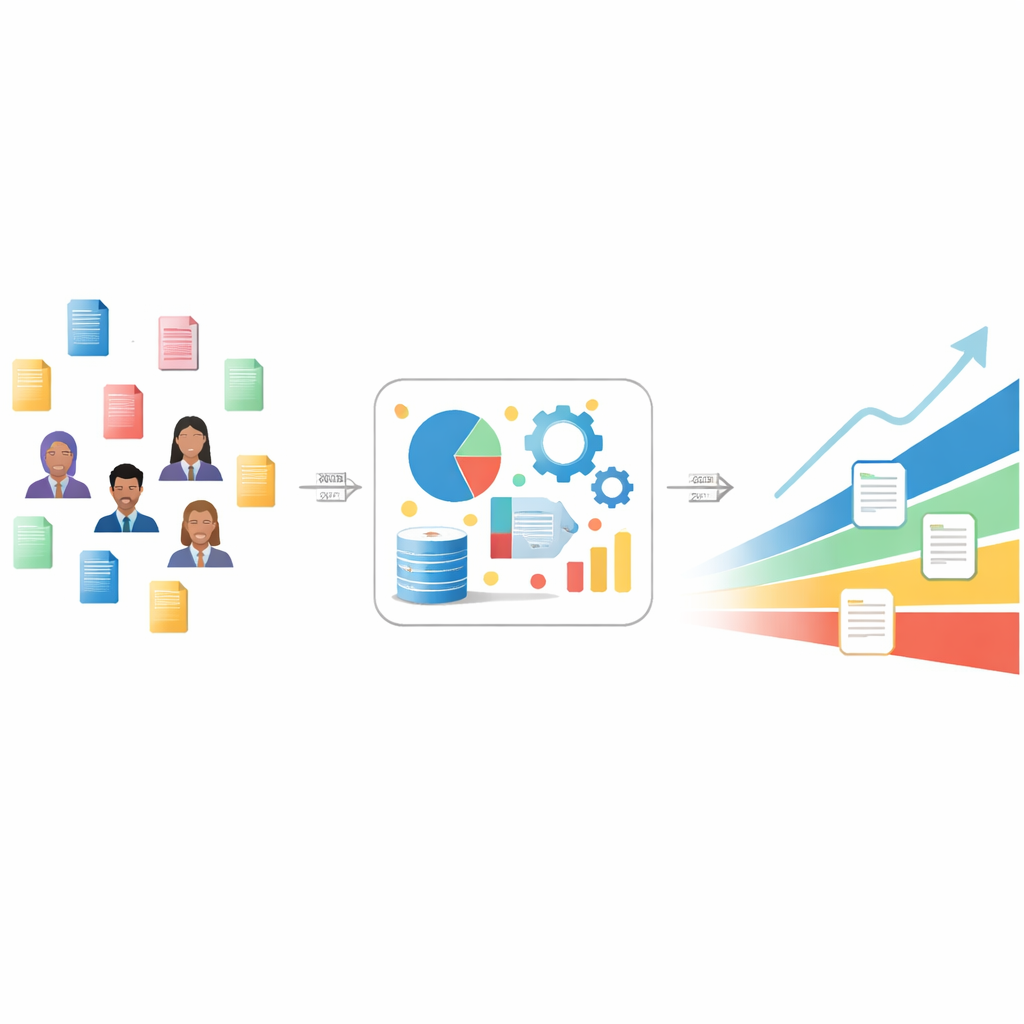
Where Evaluation Research Lives
The analysis shows a sharp rise in publications after the mid-2000s, with a particularly strong surge after 2016. Most work appears in linguistics and communication journals, but evaluation research also reaches into education, sociology, psychology, and business. Much of it examines everyday and public texts: political speeches, news reports, classroom talk, academic articles, advertising, and, increasingly, social media posts. A core set of ideas—often called “stance,” “evaluation,” “appraisal,” and “metadiscourse”—helps researchers describe how language conveys feelings, judgments, and degrees of certainty, and how it organizes a text so that readers can follow an argument.
What Scholars Have Been Most Curious About
Looking at recurring keywords across the years, the authors identify several hot topics. Early work often focused on English alone and on detailed features of grammar and conversation. Over time, researchers turned toward broader questions: how speakers and writers take a stance in dialogue, how they build or challenge social identities, and how evaluation reveals hidden power relations in public discourse. Studies that combine evaluation with critical discourse analysis examine, for example, how news coverage portrays protest movements or how online discussions frame ethnic or regional conflicts. Researchers also apply these tools to academic writing, asking how students and experts signal caution, confidence, or solidarity with readers when they argue for new knowledge. 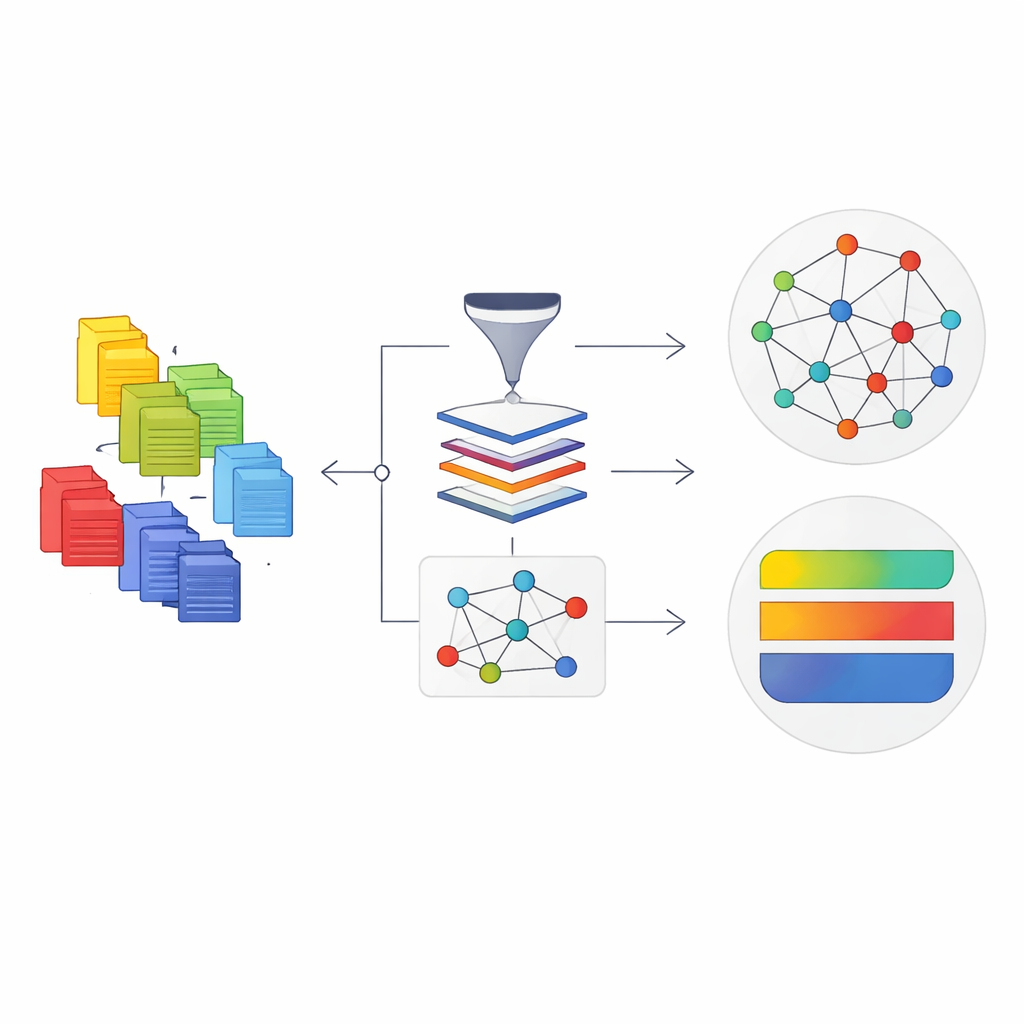
New Tools, New Voices
The field has been shaped by a small group of highly cited scholars whose frameworks have become standard reference points. However, the geographical picture has been shifting. For many years, authors based in the United States, the United Kingdom, and Australia dominated the research output. Recently, scholars from mainland China, Nigeria, South Africa, and other developing regions have contributed a growing share of publications. They bring new socio-political concerns into focus, such as local protest movements and regional identity struggles, helping to broaden debates beyond traditional Western settings. At the same time, methods are changing: what began as a largely qualitative field now frequently incorporates corpus techniques and other computational tools to examine very large collections of texts more systematically.
Looking Ahead: From Human Judgments to Machine Reading
One of the most striking future directions highlighted by the authors is the rise of sentiment analysis, a branch of artificial intelligence that automatically detects positive and negative feelings in large bodies of text. This approach draws on ideas from traditional evaluation theories but turns them into features that computers can recognize at scale. It is already being used to study consumer reviews, social media reactions, and media coverage, and it promises to deepen research on both human-authored and AI-generated language. The article concludes that evaluation research is likely to become even more interdisciplinary, drawing on psychology, computer science, and other fields. For a lay reader, the key takeaway is that subtle choices in wording are not just style; they are powerful tools that shape beliefs, identities, and social realities—and we now have increasingly sophisticated ways to study how those tools work.
Citation: Liu, Y., Wang, G. & Xiang, L. A bibliometric study of linguistic evaluation research and its implications (1992–2023). Humanit Soc Sci Commun 13, 436 (2026). https://doi.org/10.1057/s41599-026-06789-w
Keywords: evaluative language, stance and appraisal, critical discourse analysis, corpus linguistics, sentiment analysis