Clear Sky Science · en
Buntanetap treatment in mild to moderate Alzheimer’s disease: phase 2/3 study
Why this new Alzheimer’s drug matters
Families living with Alzheimer’s disease are often told that available medicines can ease symptoms but do little to slow the underlying damage in the brain. This study reports on a new pill, buntanetap, that aims to go deeper: rather than chasing a single culprit, it tries to dial down several harmful proteins at once. The researchers tested whether this multi-target approach is safe and whether it might help preserve thinking in people with mild to moderate Alzheimer’s.
A fresh way to tackle brain toxins
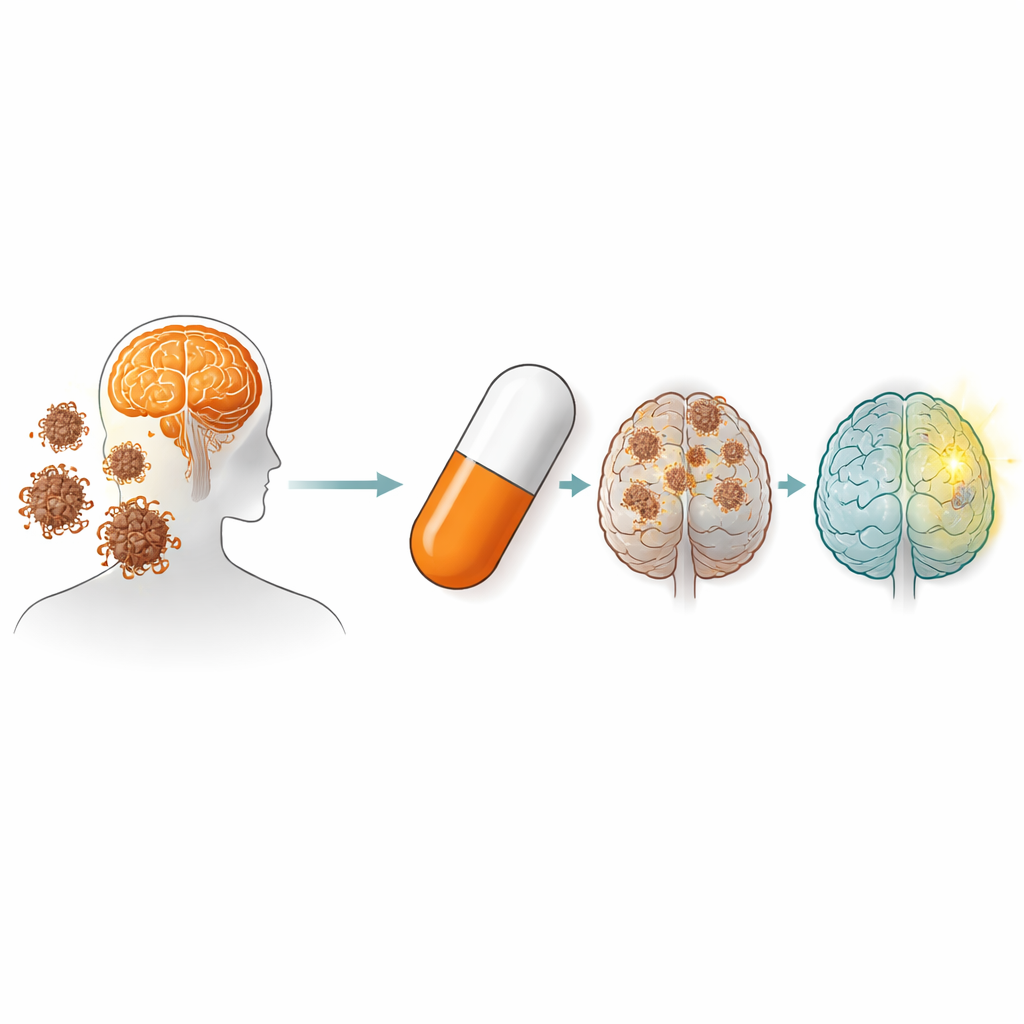
Alzheimer’s and related brain disorders are marked by clumps of misfolded proteins that interfere with nerve cells. Most attention has focused on two proteins, amyloid and tau, but many patients also accumulate others, such as alpha-synuclein and TDP-43, which may speed decline. Buntanetap is an oral small molecule designed to act earlier in the chain of events: it reduces the production of several of these toxic proteins at the stage where cells translate genetic messages into protein. Earlier human and animal studies suggested this drug could safely lower key proteins in the fluid around the brain and hinted at better thinking and movement in small groups of patients.
How the trial was run
In this phase 2/3 study, 351 people with mild to moderate Alzheimer’s took part at 54 sites across the United States. Participants were randomly assigned to one of three daily doses of buntanetap (7.5, 15, or 30 milligrams) or a placebo for three months, without anyone knowing who received which treatment. Most people were already taking standard Alzheimer’s medicines and continued them during the trial. Researchers tracked safety through medical exams and lab tests and measured thinking and daily function with established scales that capture memory, attention, and overall clinical impression.
What the headline numbers showed
Across all participants, buntanetap proved safe and well tolerated. Side effects such as dizziness, headache, and nausea were generally mild and occurred at similar rates in the drug and placebo groups; serious medical events were rare and not linked to the drug. However, when the teams compared overall thinking scores after 12 weeks, people on buntanetap did no better than those on placebo. A key reason emerged only after the fact: blood tests for a tau-based biomarker revealed that about 40 percent of enrolled volunteers lacked the amyloid-related changes that define biological Alzheimer’s. In other words, many did not have the disease the drug is meant to treat.
A closer look at the right patients
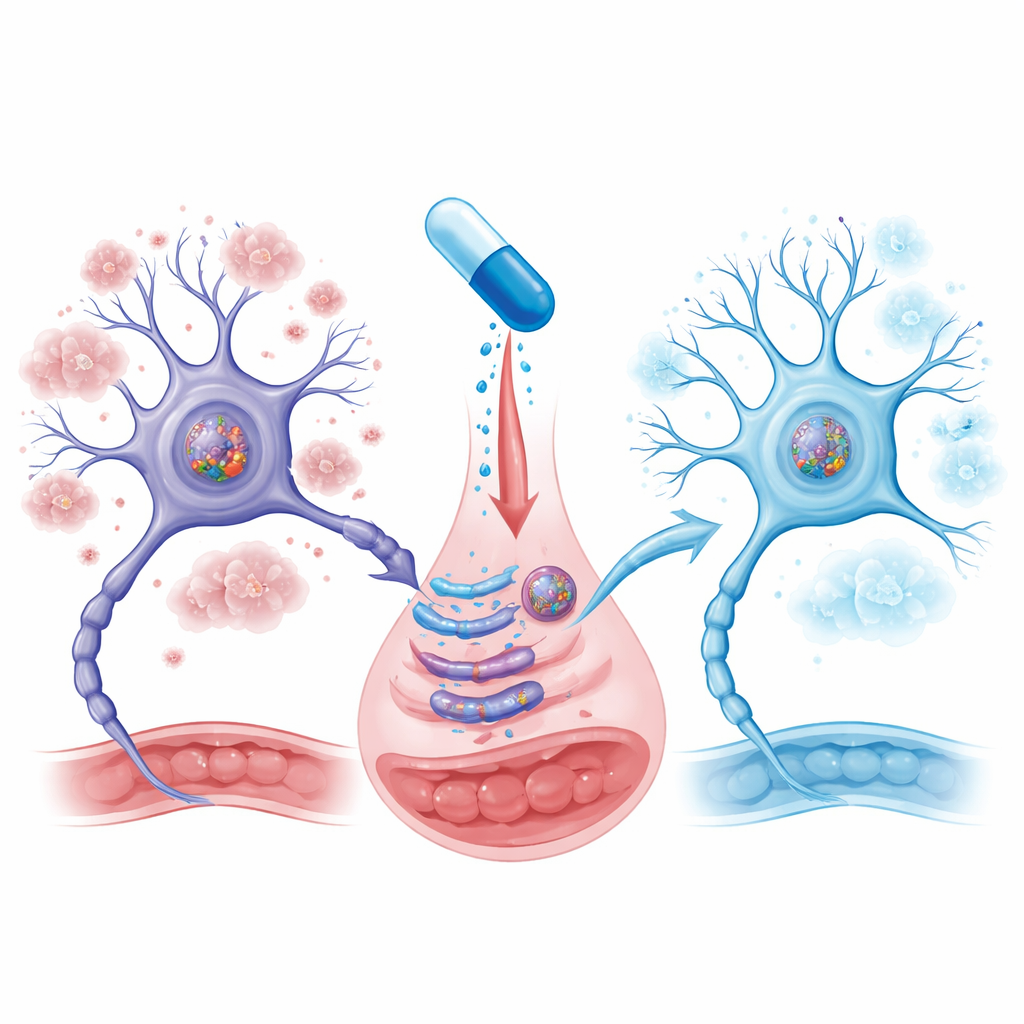
When the researchers focused on the 62 percent of participants whose blood markers confirmed underlying Alzheimer’s pathology, a clearer signal appeared. Among those with mild disease, higher doses of buntanetap were linked to dose-dependent improvements on the main thinking test over 12 weeks, while the placebo group’s early gains faded. These benefits were seen across age groups, sexes, ethnic backgrounds, and in people with and without the high-risk APOE4 gene. In parallel, blood samples from biomarker-positive patients showed that the highest buntanetap dose tended to lower total tau, TDP-43, several inflammatory molecules, and neurofilament light, a marker of nerve cell injury. Together, these changes support the idea that the drug is reaching its targets and may be easing both toxic protein buildup and inflammation.
Limits and next steps
The study also underscores how tricky Alzheimer’s trials can be. Because biomarker confirmation was added only after the study had begun, the analyses of the “true Alzheimer’s” subgroup were done after the fact and were not part of the original statistical plan. The trial was short—just three months—and too small to firmly judge how individual doses affect daily functioning. In people with more advanced disease, buntanetap shifted blood markers in a favorable direction but did not translate into better thinking within the study window, suggesting that earlier treatment or longer follow-up may be needed.
What this could mean for patients
For lay readers, the key takeaway is that buntanetap appears safe and may help thinking in people with early, biomarker-confirmed Alzheimer’s while simultaneously nudging multiple disease signals in a healthier direction. Unlike antibody infusions that target amyloid alone and can cause brain swelling in some high-risk patients, this pill-based approach did not show such imaging-related risks and seemed equally safe in carriers of the APOE4 gene. The findings are promising but not yet practice-changing; a larger 18-month phase 3 trial in 760 patients is now underway to test whether buntanetap can meaningfully slow decline and modify the course of the disease.
Citation: Fang, C., Feng, D., Gaines, M. et al. Buntanetap treatment in mild to moderate Alzheimer’s disease: phase 2/3 study. npj Dement. 2, 26 (2026). https://doi.org/10.1038/s44400-026-00073-z
Keywords: Alzheimer’s disease, buntanetap, neurotoxic proteins, clinical trial, brain inflammation