Clear Sky Science · en
Endothelial dysfunction and metabolic biomarkers in post-COVID-19 syndrome
Why this study matters for everyday life
Many people continue to feel exhausted, short of breath or mentally drained long after recovering from COVID-19, a cluster of problems often called post-COVID-19 syndrome. This study looks inside the blood to see whether long lasting changes in blood vessels and metabolism might help explain these lingering symptoms and perhaps one day guide diagnosis and monitoring.
Who was studied and what was measured
The researchers followed more than 250 adults in Leipzig, Germany. Some had a confirmed SARS-CoV-2 infection months earlier, with or without ongoing complaints, while others had no known infection and served as controls. About nine months after infection on average, all participants gave blood samples and completed detailed questionnaires about fatigue and other symptoms. The team focused on markers in the blood that reflect the health of the vessel lining, as well as small molecules involved in energy use, amino acids and fats.
Signals of stressed blood vessels after COVID
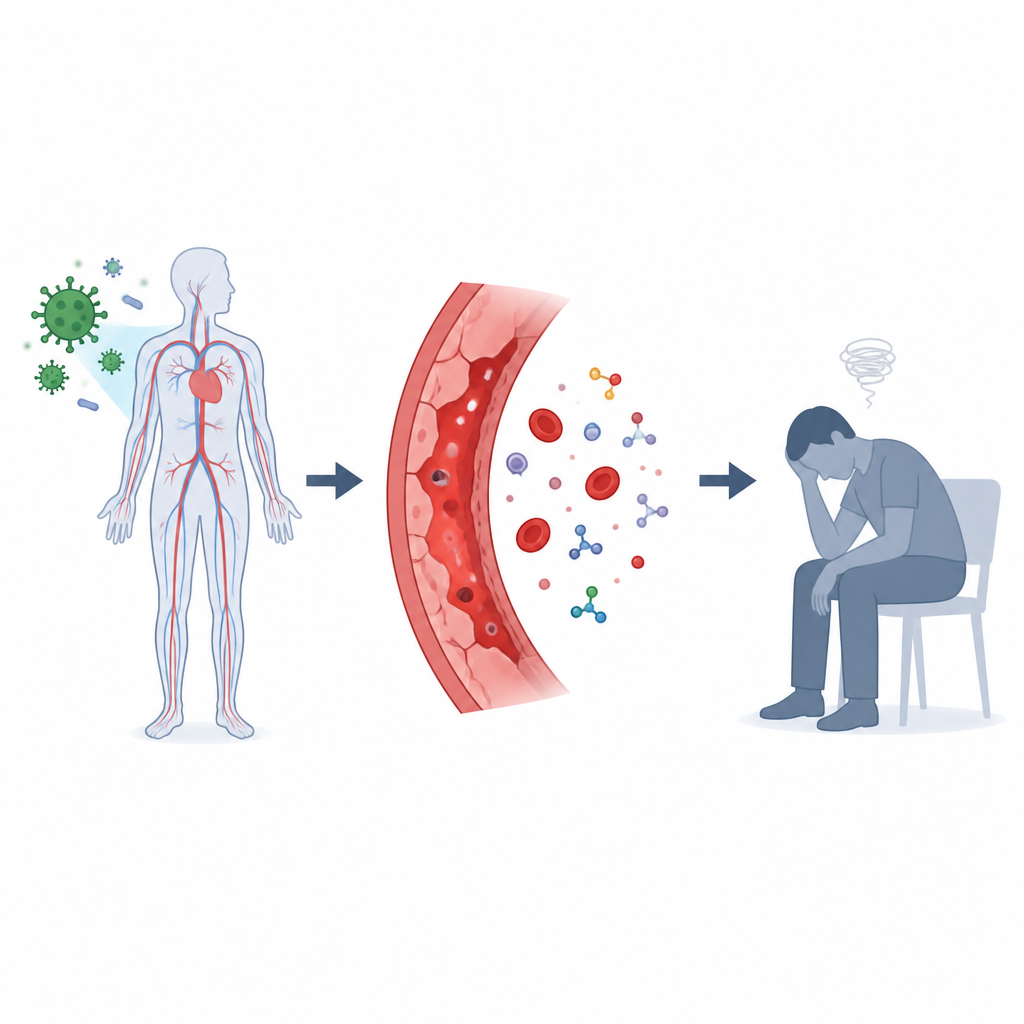
People who had previously had COVID-19 showed higher levels of two blood markers, thrombomodulin and lactate dehydrogenase, than those without infection. Thrombomodulin is released when the inner surface of blood vessels is injured, while lactate dehydrogenase reflects general tissue stress. These increases were seen regardless of whether participants reported many or few ongoing symptoms, suggesting that subtle vessel injury and tissue strain can persist long after the virus has cleared, even in those who no longer feel acutely ill.
Changes in key building blocks of the body
The study also uncovered broad shifts in amino acids, the building blocks of proteins that help regulate blood flow and inflammation. Levels of several amino acids, including arginine, taurine, citrulline and glutamine, were lower in people who had been infected. These substances help the body make nitric oxide, a gas that keeps blood vessels relaxed and protects them from damage. The pattern of changes pointed to disturbed nitric oxide related pathways, which may keep vessel cells in a stressed state and potentially contribute to problems with circulation and organ function over time.
Fatty acids linked to severe tiredness
To better understand fatigue, the team grouped previously infected participants by how tired they felt, using a standard questionnaire that covers physical, mental and motivational aspects of exhaustion. Those in the highest fatigue group had higher blood levels of certain fats, including linoleic acid and the monounsaturated fats oleic acid and palmitoleic acid. These fatty acids are involved in energy production and inflammation. Their rise has been linked in earlier work to depression, mitochondrial strain and poor energy supply to tissues, which may help explain why some people feel particularly drained long after infection.
What this means for people living with long COVID
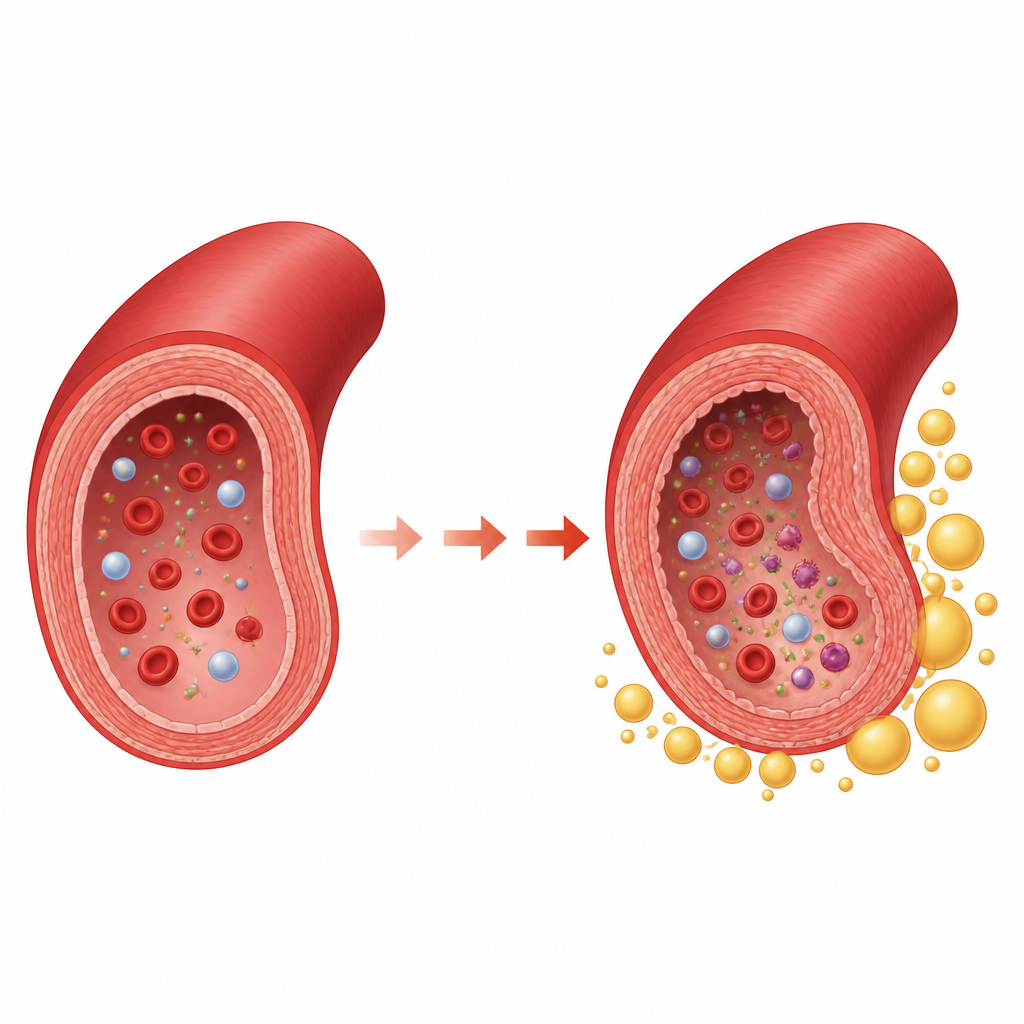
Taken together, the results show that nearly nine months after SARS-CoV-2 infection, many people carry lasting signs of stressed blood vessels and altered metabolism, even if their fatigue is mild. Those with the worst fatigue have additional, distinct changes in certain fatty acids. While these findings do not yet translate into a simple blood test or treatment, they suggest that post-COVID-19 syndrome has measurable biological fingerprints, not just subjective complaints, and that a combination of vessel injury and disturbed energy processing may underlie the long lasting tiredness many patients experience.
Citation: Oestreich, M., Schmidt, M., Dittrich, J. et al. Endothelial dysfunction and metabolic biomarkers in post-COVID-19 syndrome. Sci Rep 16, 15067 (2026). https://doi.org/10.1038/s41598-026-50965-6
Keywords: post-COVID syndrome, endothelial dysfunction, fatigue, metabolites, fatty acids