Clear Sky Science · en
Role of suberoylanilide hydroxamic acid and dapagliflozin on Cx43 gene expression in diabetic cardiomyopathy rat’s model
Why heart damage in diabetes matters
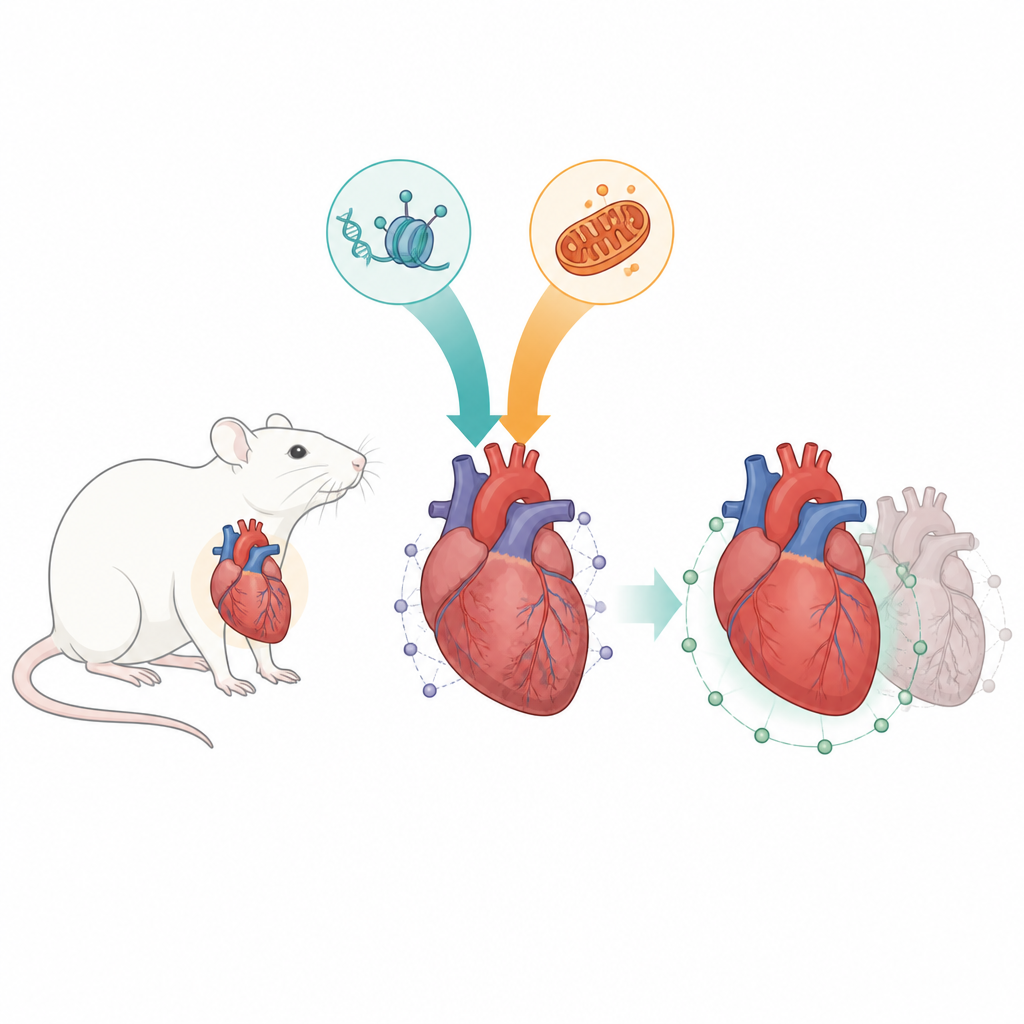
People with type 2 diabetes face a higher risk of heart failure, even when their arteries are not badly clogged. This form of heart damage, called diabetic cardiomyopathy, silently stiffens and weakens the heart muscle over time. The study behind this article explores whether two drugs, already known for other uses, can help protect the diabetic heart in rats by preserving tiny communication channels between heart cells and reducing tissue injury.
Tiny bridges between heart cells
Heart cells must beat in unison to pump blood effectively. They stay in sync through microscopic bridges that pass electrical signals from one cell to the next. A key building block of these bridges is a protein called connexin 43. In diabetes, these connections can become fewer and misplaced, making electrical signaling less reliable and potentially increasing the risk of rhythm problems. The researchers set out to see how diabetes alters these bridges in rat hearts, and whether specific treatments can prevent or reverse the damage.
Testing two protective drug strategies
The team used a well-established rat model of type 2 diabetes created by combining a high fat diet with a sugar-damaging chemical. Forty rats were divided into four groups: healthy controls, untreated diabetics, diabetics given the anticancer-related drug SAHA (a gene activity modulator), and diabetics given the diabetes medicine dapagliflozin, which helps the body excrete excess sugar in urine. Over eight weeks, the scientists monitored blood sugar and fats, markers of heart injury in the blood, antioxidant and damage signals inside heart tissue, and detailed microscopic changes in heart structure.
What diabetes did to the heart
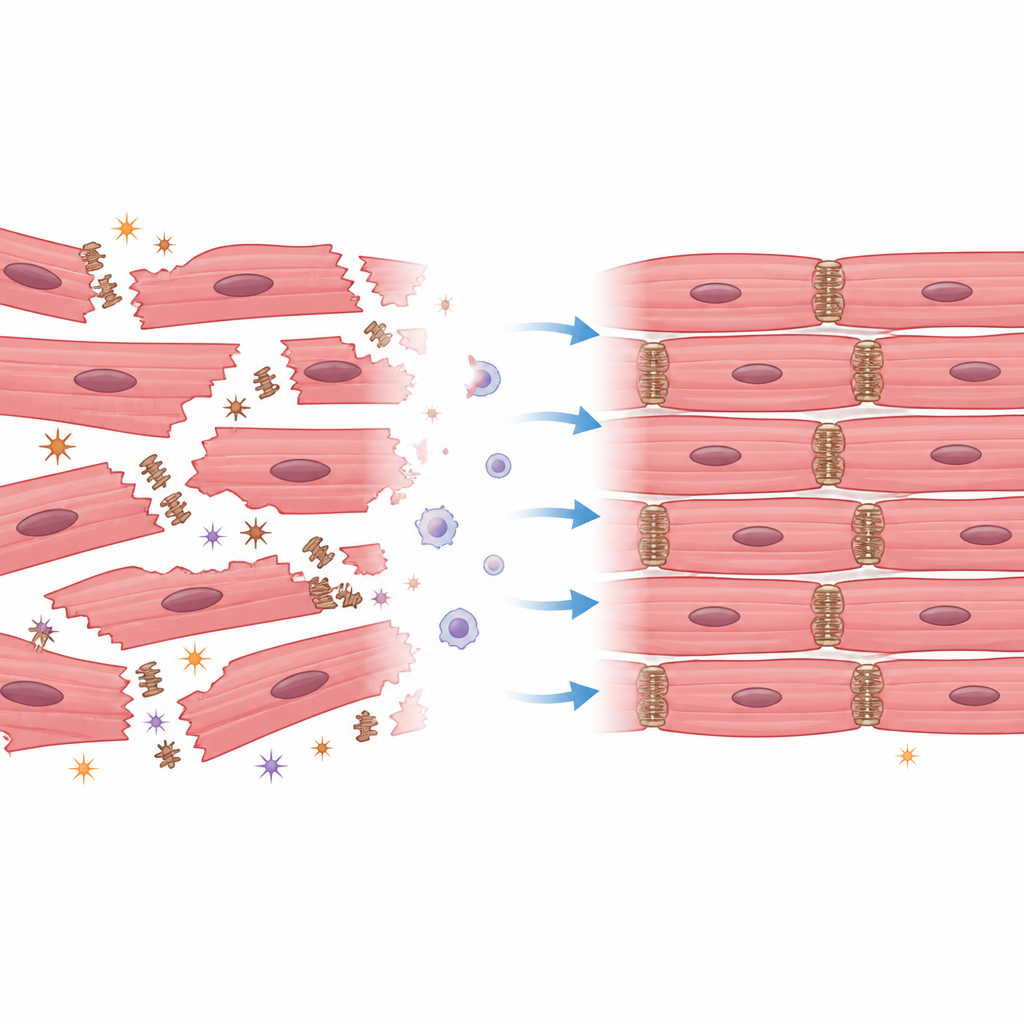
In untreated diabetic rats, blood sugar, insulin, and unhealthy blood fats all rose sharply, while a protective blood fat fell. Inside the heart, chemical markers of oxidative stress increased and natural antioxidant defenses dropped, and enzymes that leak from damaged heart muscle were elevated. Under the microscope, the hearts showed swollen and degenerating muscle cells, wide gaps between fibers, congestion of blood vessels, and heavy scarring from excess collagen. The tiny communication bridges between cells weakened: both the amount of connexin 43 and its normal placement at cell ends were reduced, with more of the protein drifting to the sides of cells where it works less effectively.
How the two treatments helped
Both SAHA and dapagliflozin improved many of these problems, but they did so in slightly different ways. Dapagliflozin was especially good at lowering blood sugar, while SAHA more strongly reduced excessive insulin levels and signs of insulin resistance. In the heart, both drugs lowered oxidative stress, reduced leakage of injury enzymes, and eased thickening and scarring of the muscle. However, SAHA brought cell size, scarring, and overall injury scores closer to normal than dapagliflozin did. Most strikingly, both drugs increased connexin 43 levels and improved its positioning at the ends of cells, but SAHA produced a much larger boost, suggesting a stronger rescue of the heart’s electrical communication network.
What this means for protecting the diabetic heart
Seen together, the findings suggest that protecting the diabetic heart is not only about lowering blood sugar. In this rat study, a drug that tweaks how genes are switched on and off (SAHA) and a drug that improves sugar handling (dapagliflozin) both helped preserve heart structure and cell-to-cell communication. SAHA had the stronger effect on the tiny bridges that keep heartbeats coordinated, likely by directly influencing gene activity and easing oxidative damage. While these results are early and limited to one dose in animals, they highlight that targeting both metabolism and gene regulation might one day offer better protection against the silent heart damage that can accompany type 2 diabetes.
Citation: Abubeah, M.R., Iraqy, H.M., A. Elgamal, D. et al. Role of suberoylanilide hydroxamic acid and dapagliflozin on Cx43 gene expression in diabetic cardiomyopathy rat’s model. Sci Rep 16, 15484 (2026). https://doi.org/10.1038/s41598-026-49323-3
Keywords: diabetic cardiomyopathy, connexin 43, dapagliflozin, histone deacetylase inhibitor, oxidative stress