Clear Sky Science · en
The relationship between executive functions, decision-making, and changes in symptoms of gambling disorder in online sports bettors
Why our minds matter when we bet
Online sports betting is often marketed as a game of skill and gut feeling, but behind every click sits a complex tug‑of‑war in the brain. This study looks at how everyday mental abilities and our reactions to wins and losses relate to the rise or fall of gambling problems in online sports bettors over about a year. Understanding these links can help explain why some people slide into harmful betting while others keep it under control—and may point toward smarter ways to prevent and treat gambling problems.
Thinking skills and risky choices
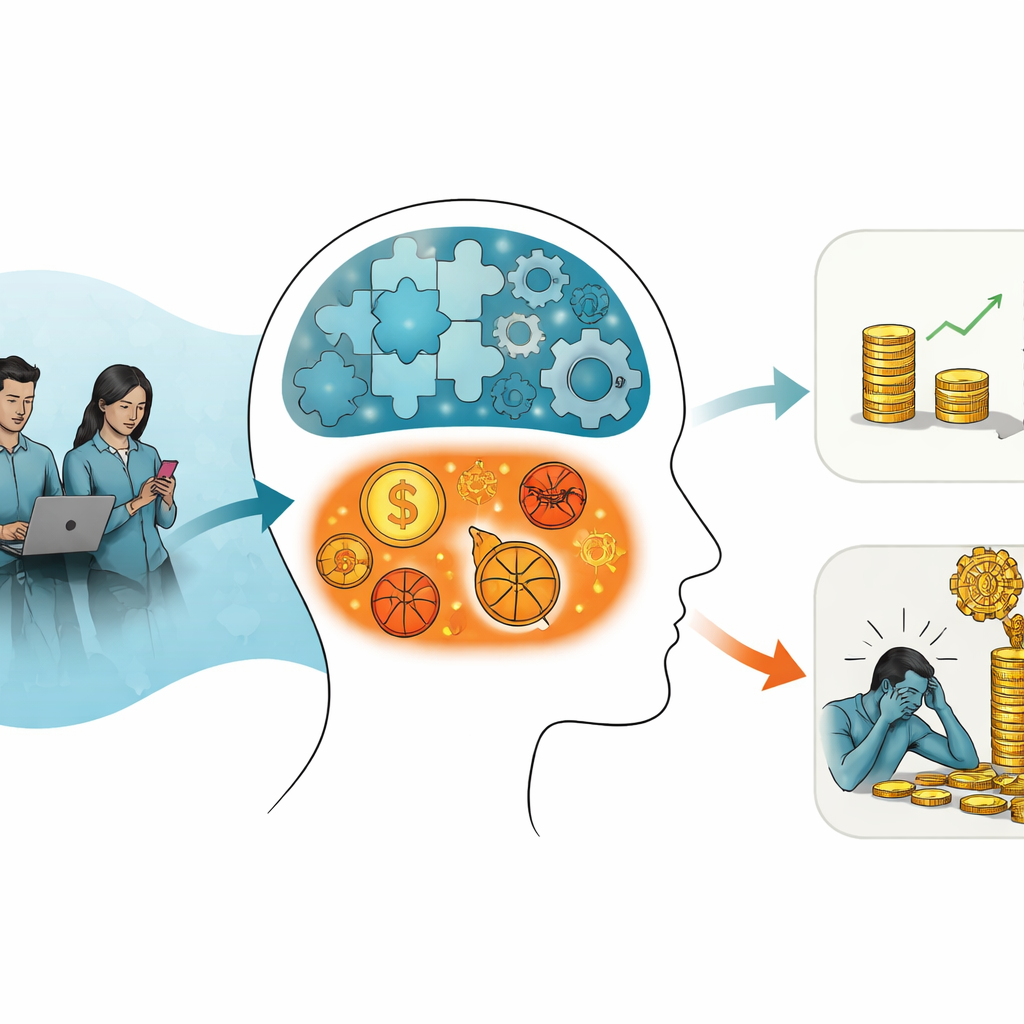
The researchers focused on two broad sets of mental processes. The first are "executive" abilities that support self‑control: stopping impulsive actions, switching between tasks, and holding information in mind. The second are decision habits that shape how we value rewards and risks, such as preferring immediate over delayed payoffs, treating unlikely wins as more tempting than they really are, or reacting strongly to potential losses. Together, these processes form the backbone of modern theories that explain addiction as a clash between long‑term goals and short‑term rewards. Gambling, especially sports betting with its changing odds and delayed outcomes, is a real‑world test of this clash.
Following real sports bettors over time
The study drew on a larger project tracking German customers of a major sports betting provider. From this pool, 54 online sports bettors—mostly men in their early thirties—took part in a detailed in‑person assessment. Their gambling problems had first been measured online using standard diagnostic questions and were mostly in the low to mild range. On average 443 days later, participants completed a second, interview‑based assessment of gambling symptoms, plus computer tasks that measured their executive skills and decision styles. These tasks tested how well they could inhibit automatic responses, flexibly switch between rules, keep track of recent information, and how strongly they discounted delayed or uncertain rewards and reacted to potential losses.
What was linked to current gambling problems
When the researchers looked at the data from the in‑person visit alone, they found only limited hints of a connection between thinking skills and gambling symptoms. Bettors who reported more signs of gambling disorder tended to perform slightly worse on a working‑memory task and to show weaker reactions to possible losses in a "mixed gamble" task. In that task, people chose whether to accept bets that combined possible gains and losses; those with more symptoms were more willing to accept offers that involved losing money. However, once the authors applied a conservative statistical correction to account for testing many different mental measures at once, these links no longer reached conventional thresholds for reliability.
What predicted changes in symptoms
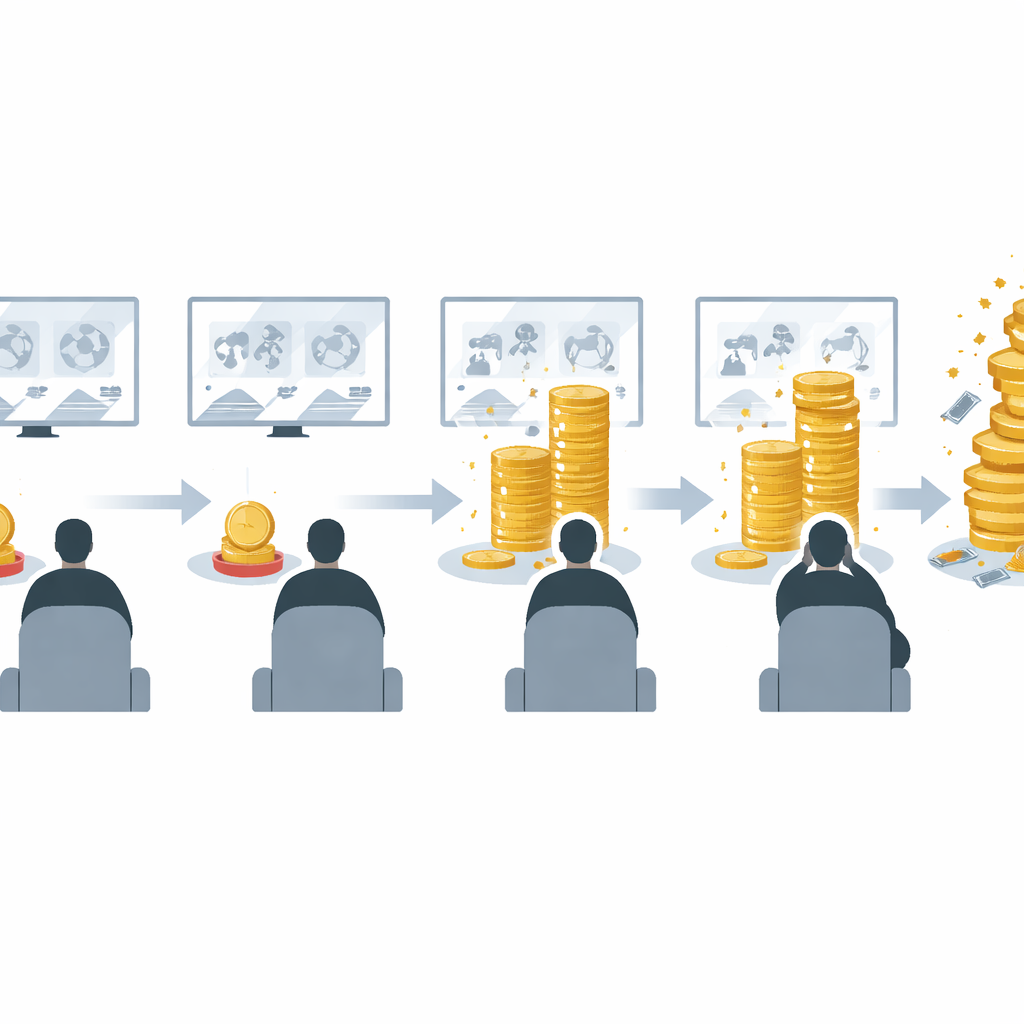
The most interesting findings came from looking at how symptoms changed over time. Across the year‑plus interval, some bettors improved, some worsened, and many stayed about the same, with most changes being relatively small. The researchers examined whether performance on the mental tasks at the in‑person visit related to how much a person’s gambling symptoms had risen or fallen since the earlier online survey. Again, most executive skills and decision measures showed no clear relationship to symptom change. One pattern did stand out: bettors who had become less sensitive to potential losses tended to show a worsening of gambling symptoms. In other words, those who treated possible losses more lightly were more likely to see their betting problems grow. Yet this link, too, weakened after strict correction for multiple statistical tests and is therefore considered preliminary rather than definitive.
What this means for real‑world betting
Taken together, the results suggest that, in this sample of mainly low‑to‑moderate online sports bettors, broad thinking skills like inhibition and flexibility were not strongly tied to changes in gambling problems over time. Instead, a more specific factor—how sharply losses are felt and weighed against gains—may play a modest role in whether symptoms get worse. People who do not strongly "feel" the sting of potential losses may keep betting despite setbacks, allowing problems to build. Still, the study is small, most participants were not severely affected, and the key findings did not survive the strictest statistical checks. The authors therefore emphasize that reduced sensitivity to losses should be seen as a promising clue rather than a proven cause, and call for larger, longer studies across different types of gambling. Such work could ultimately help tailor prevention and treatment, for example by strengthening people’s awareness of losses and long‑term harm rather than focusing only on general self‑control.
Citation: Wirkus, T., Czernecka, R., Bühringer, G. et al. The relationship between executive functions, decision-making, and changes in symptoms of gambling disorder in online sports bettors. Sci Rep 16, 12076 (2026). https://doi.org/10.1038/s41598-026-48449-8
Keywords: online sports betting, gambling disorder, decision-making, loss aversion, executive functions