Clear Sky Science · en
Geriatric nutritional risk index in antifibrotic therapy can predict tolerability and mortality risk
Why food status matters in serious lung disease
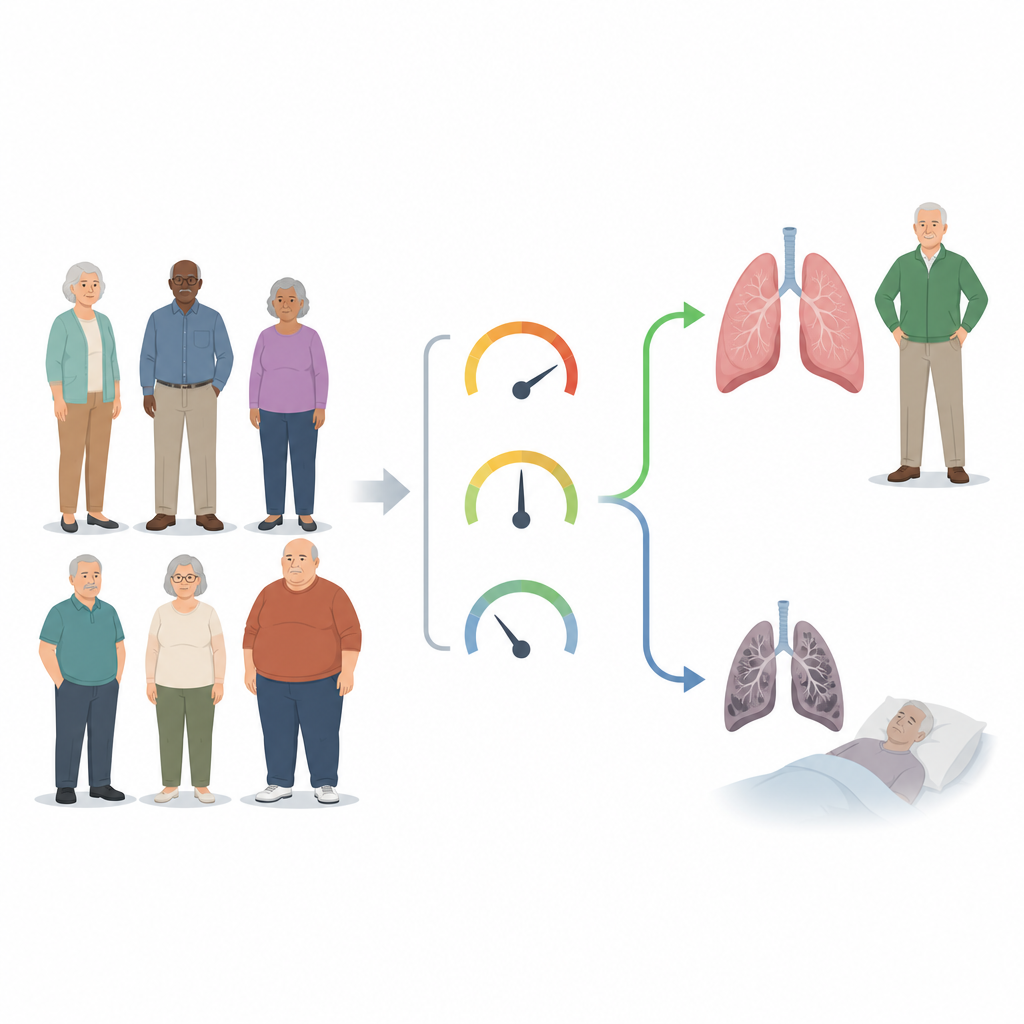
People living with long lasting scarring of the lungs often focus on breathing tests and new medicines, but a quieter factor may shape how well they do: their everyday nutrition. This study followed adults with fibrotic interstitial lung diseases who started modern antifibrotic drugs and asked a simple question that matters to patients and families alike: can a person’s basic nutritional state help predict whether they can stay on treatment and how long they are likely to live?
A closer look at scarring lung diseases
Fibrotic interstitial lung diseases, including idiopathic pulmonary fibrosis and related conditions, slowly stiffen and scar the lungs. People become short of breath, tire easily, and face a high risk of early death. Antifibrotic medicines such as nintedanib and pirfenidone can slow the loss of lung function and reduce flares, but they often cause stomach upset, poor appetite, and other side effects that lead many patients to stop treatment. Doctors know that people with these diseases frequently lose weight and muscle, yet until now no prospective study had closely tracked how overall nutritional health ties into drug tolerability and survival.
A simple score to capture nutritional risk
The researchers used a straightforward tool called the Geriatric Nutritional Risk Index, which combines blood albumin levels and body weight relative to ideal weight into a single number. Lower values signal a higher chance of malnutrition related problems. They enrolled 290 consecutive patients beginning antifibrotic therapy at several hospitals and measured this index at the start of treatment and, when possible, again one year later. Just over one third of the participants were already in the malnutrition related risk range at the outset, and this was seen both in those with idiopathic pulmonary fibrosis and those with other types of fibrotic lung disease.
Nutritional risk and staying on treatment
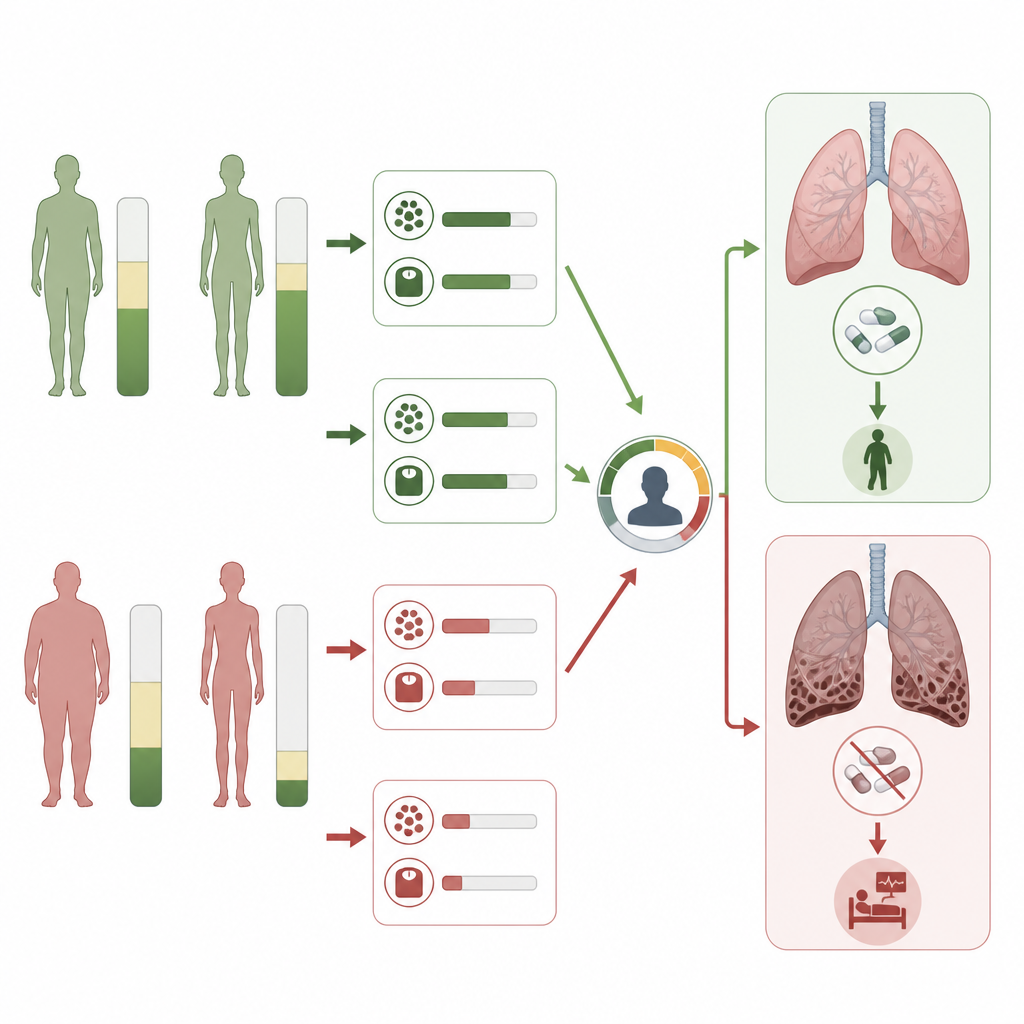
During roughly two and a half years of follow up, almost three in ten patients stopped antifibrotic therapy because of drug reactions or disease worsening. People who entered treatment with malnutrition related risk were more likely to discontinue their medication than those with better nutritional status. This pattern held true even after the team took into account age, lung function, and other markers of disease severity, and it remained when they looked only at the large subgroup receiving nintedanib. In practical terms, patients who were thinner and had lower albumin levels faced more stomach and liver side effects and were less able to keep taking the drugs intended to slow their disease.
Nutritional risk and chances of survival
The same nutritional signal also tracked with longevity. Over the study period, 150 participants died. Those with malnutrition related risk at the start of antifibrotic therapy had a much shorter median survival than those without such risk, regardless of the exact lung diagnosis. When the index was recalculated one year later, patients who still had low scores again showed poorer survival. Even after adjusting for an established lung disease severity scale that includes age, sex, and breathing test results, nutritional risk stayed independently linked to higher mortality. This suggests that nutrition reflects aspects of overall resilience not captured by lung measurements alone.
What this means for patients and care teams
The findings point to a clear message that is easy to understand: for people with fibrotic lung scarring starting antifibrotic drugs, being undernourished is a warning sign for trouble with treatment and a higher risk of death. Because the nutritional index used here relies only on routine blood work and body measurements, it can be checked in everyday clinics without special equipment. While this study did not test specific diet plans, other early work hints that targeted nutritional support may improve weight and possibly treatment tolerance. For now, regularly assessing and addressing nutrition, alongside breathing tests and imaging, appears to be a practical step that doctors and patients can take together to support better outcomes.
Citation: Masuda, T., Mochizuka, Y., Suzuki, Y. et al. Geriatric nutritional risk index in antifibrotic therapy can predict tolerability and mortality risk. Sci Rep 16, 15311 (2026). https://doi.org/10.1038/s41598-026-45792-8
Keywords: fibrotic lung disease, antifibrotic therapy, nutritional status, Geriatric Nutritional Risk Index, treatment tolerability