Clear Sky Science · en
Factors associated with lapses in care among people living with HIV in South Carolina
Why staying in HIV care matters
For people living with HIV today, effective treatment can keep the virus under control and allow a long, healthy life. But this only works when patients keep coming back for regular checkups and lab tests. This study looks at which people in South Carolina are most likely to have long gaps in their HIV care and which factors seem to help them stay connected to treatment.
Who was studied and what counted as a gap
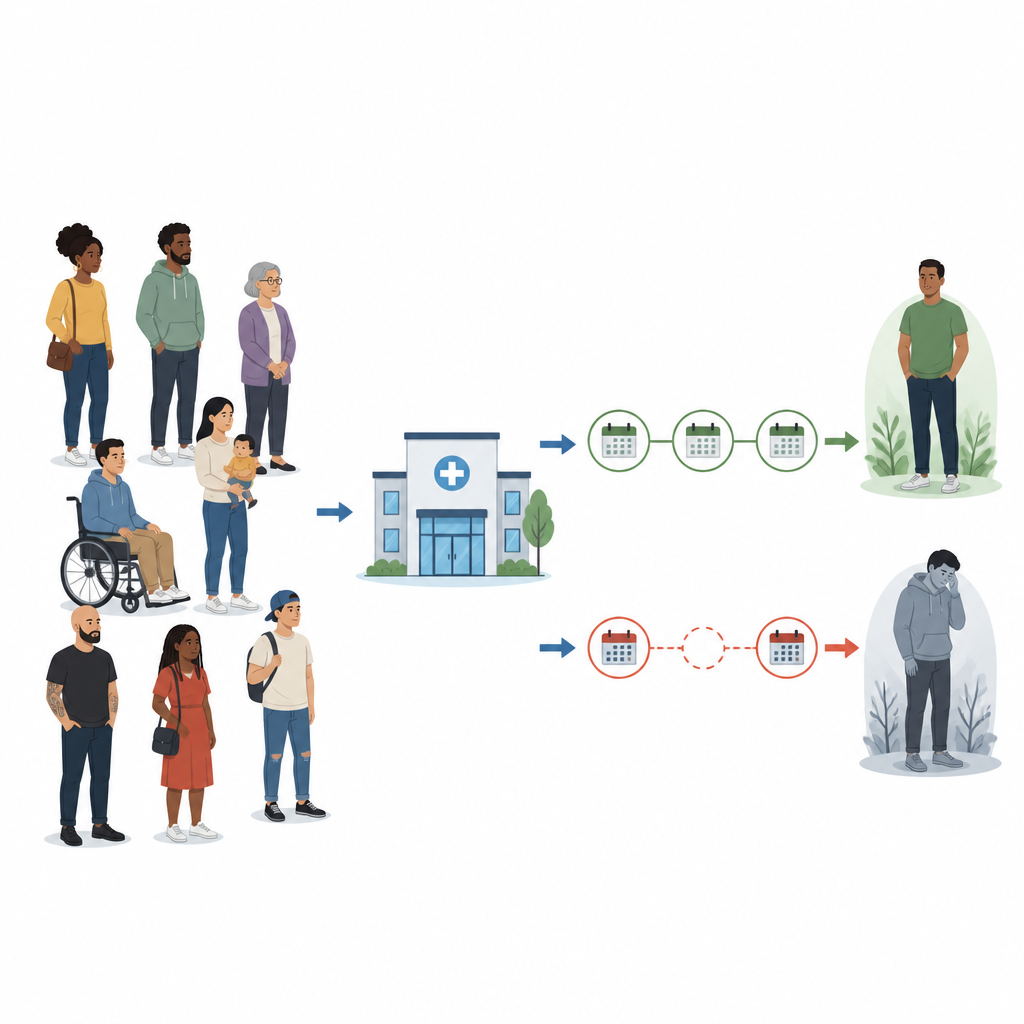
The researchers used electronic health records covering adults diagnosed with HIV in South Carolina between 2006 and 2018. To be included, people had to be at least 18 years old and have at least two HIV related care visits and one year of follow up. A lapse in care was defined in simple terms: more than a year passing between one HIV care visit and the next. Out of 8,856 people in the study, nearly 44 percent had at least one such lapse, and more than a third of them had lapses more than once.
Age, sex, and how HIV was acquired
Some patterns clearly stood out. People who were diagnosed with HIV at younger ages were more likely to have gaps in care than those diagnosed at 35 or older. Men were more likely than women to experience lapses. How people likely acquired HIV also mattered. Those whose infection was linked to sex between men or to injecting drug use had higher odds of dropping out of regular care than people whose reported risk was heterosexual contact. These patterns match concerns about stigma, competing life demands, and social pressures that can make it harder for some groups to stay in care.
Race, lab results, and other health problems
The picture for race and ethnicity was more mixed. Black people had slightly more lapses in simple counts, but after taking other factors into account, they did not clearly differ from White patients, while Hispanic patients had somewhat lower odds of lapses. Lab results were strongly tied to care patterns. People whose recent blood tests showed healthy immune cell counts and those with very low levels of virus in the blood were less likely to have long gaps, suggesting that staying engaged in care and keeping the virus controlled tend to go hand in hand.
Surprising role of other chronic illnesses
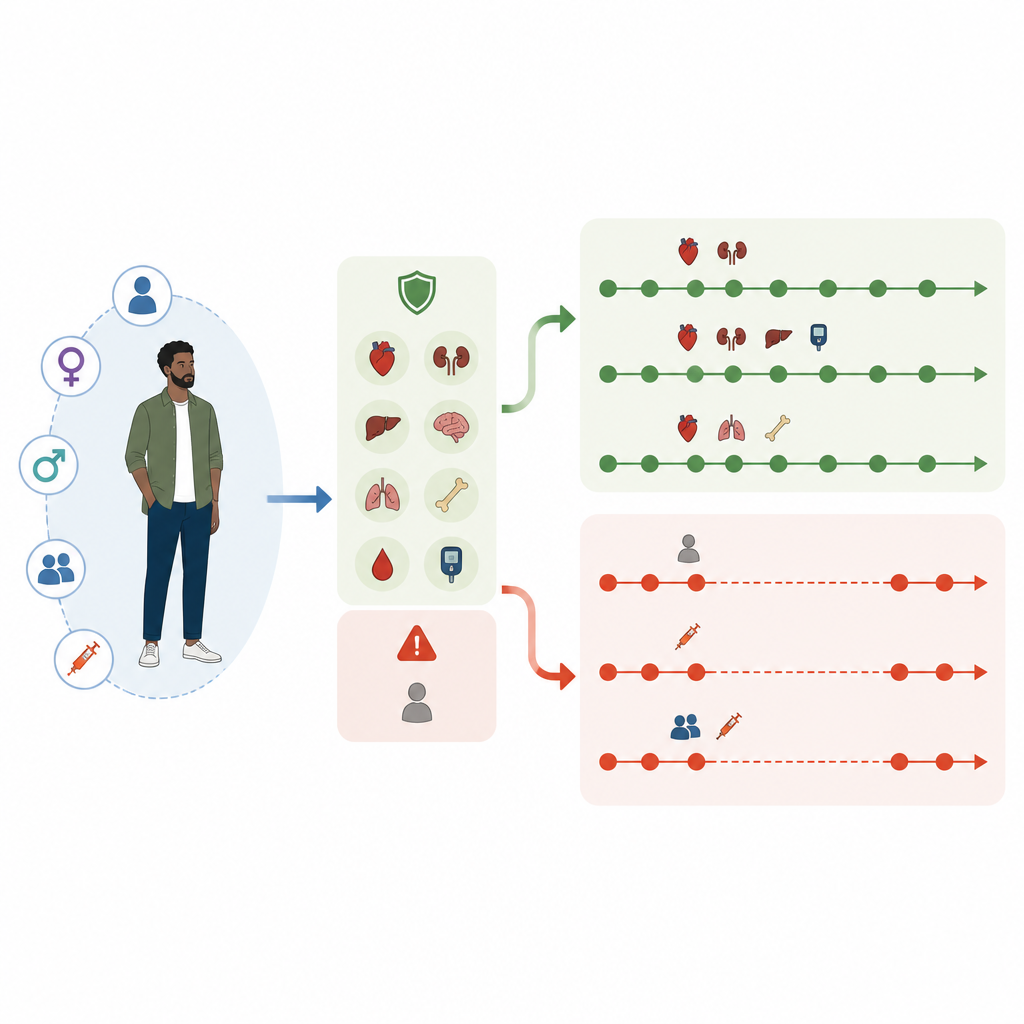
One of the most striking findings involved other ongoing health problems. Conditions such as cancer, heart disease, long term lung disease, diabetes, liver disease, and kidney disease were all linked with lower odds of lapses in HIV care. Far from pulling people away from the clinic, these added illnesses may keep them in closer contact with the health system. Patients with several chronic conditions may see doctors more often, making it easier to keep up with HIV visits and treatment at the same time.
What this means for people and providers
Overall, the study shows that lapses in HIV care are common, especially for younger adults, men, and people whose HIV risk involves sex between men or injecting drugs. At the same time, regular lab monitoring, successful control of the virus, and ongoing treatment for other chronic diseases all seem to support steady care. For patients, this underscores the importance of not letting more than a year pass between HIV checkups. For clinics and public health programs, the results highlight which groups may need extra outreach and support to stay connected to life saving care.
Citation: Yang, X., Shi, F., Chen, S. et al. Factors associated with lapses in care among people living with HIV in South Carolina. Sci Rep 16, 15289 (2026). https://doi.org/10.1038/s41598-026-44881-y
Keywords: HIV care, lapse in care, viral suppression, chronic comorbidities, South Carolina