Clear Sky Science · en
Symptoms, risk factors, and health outcomes of long COVID in the United Arab Emirates
Why this lingering illness matters
Many people who survive COVID-19 do not simply bounce back to normal. Months or even years later, they still struggle with tiredness, breathlessness, and trouble working or caring for their families. This study from hospitals in the United Arab Emirates looks closely at these long-lasting problems, often called long COVID, to find out how common they are, who is most at risk, and how they affect everyday life.
Who was studied and how
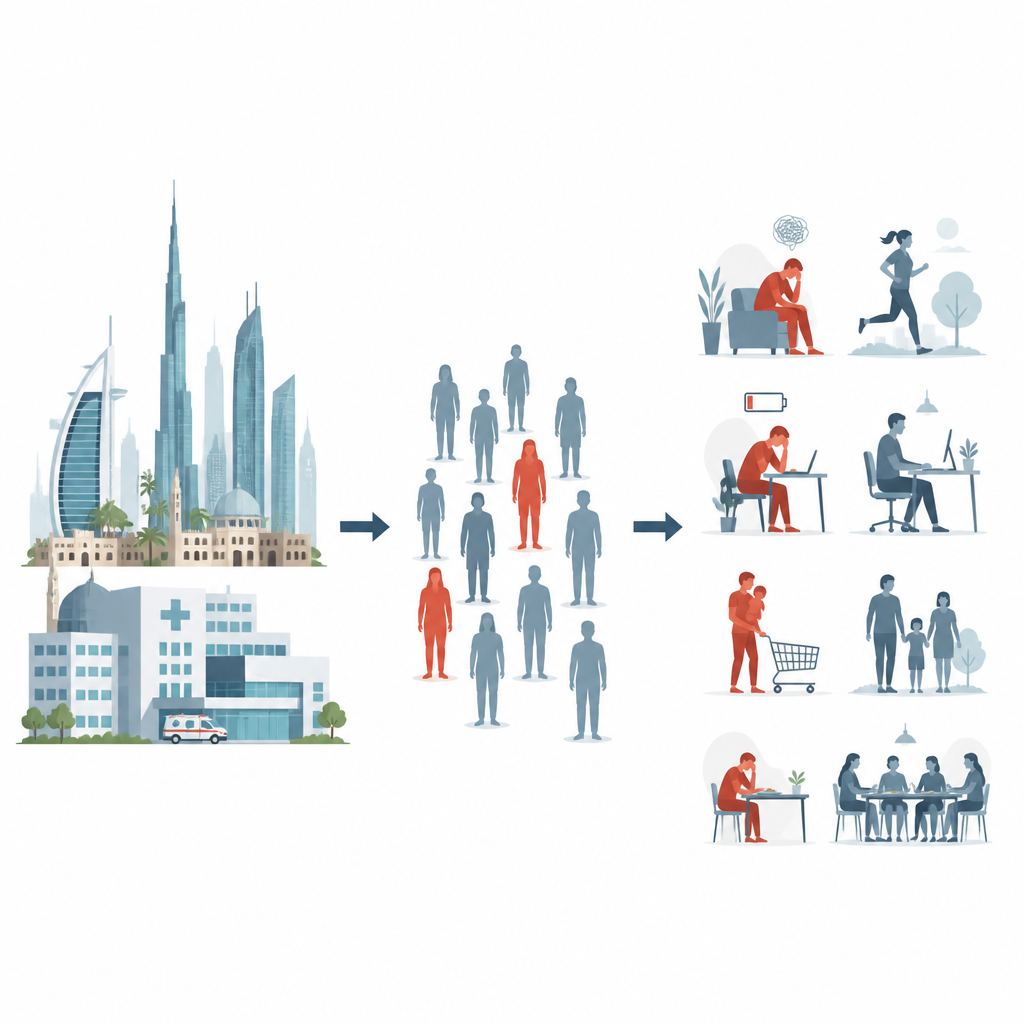
The researchers followed 533 adults who had been admitted to four large hospitals in the UAE with confirmed COVID-19 between early 2020 and late 2021. Some were hospitalized because they were very sick, while others were admitted early in the pandemic for isolation and monitoring. Months later, trained interviewers called these former patients and asked detailed questions about their current health, any ongoing or new symptoms they linked to COVID-19, their background, and how well they felt they were functioning at work and in daily life.
How common long-lasting symptoms were
Almost half of the people interviewed, about 49 percent, reported at least one symptom that had appeared during or after their infection and was still present at least four weeks later. The team counted 43 different complaints, touching many parts of the body. Tiredness was especially frequent, along with shortness of breath, hair loss, joint or muscle pain, sleep problems, chest pain, and changes in appetite. These symptoms often occurred in clusters, affecting the lungs, muscles and joints, skin, nervous system, and mood, showing that long COVID is not a single disease but a web of related problems.
Who faced higher risks
By comparing people with and without lasting symptoms, the study identified several clear warning signs. Women were significantly more likely than men to report long COVID. Patients who had more symptoms during their original hospital stay, those who needed intensive care, and those who lived with two or more long-term health conditions, such as heart disease or diabetes, were also more likely to have ongoing issues. People who had been regularly physically active before fell ill seemed to have somewhat lower odds of long COVID, although the study could not prove cause and effect. Interestingly, long COVID rates stayed high even one to two years after infection, suggesting that for many, recovery is slow.
How long COVID changes daily life
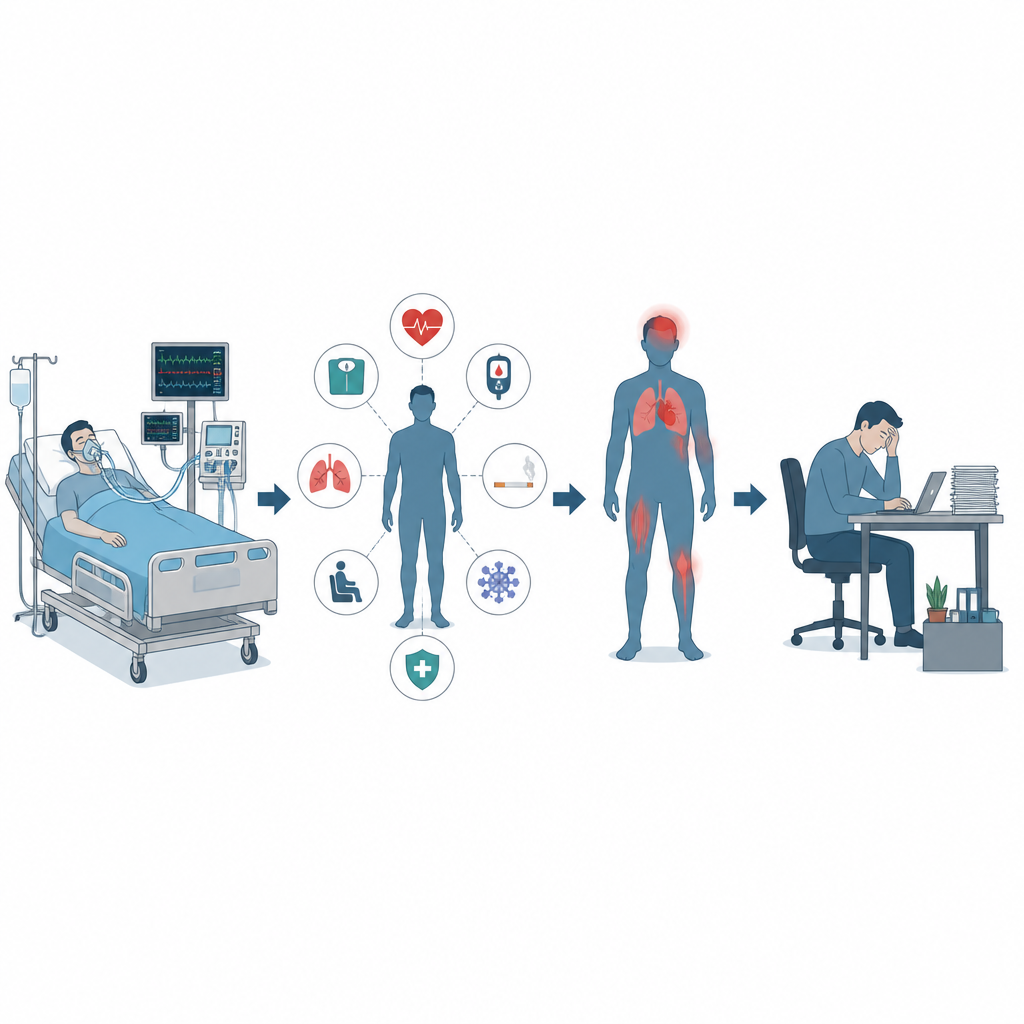
The study did not stop at counting symptoms. It also asked how people felt about their overall health and ability to work. Those with long COVID were much more likely to rate their health as fair or poor and to say it was worse than before they caught the virus. Many reported that physical problems limited what they could do on the job, and a sizable share also struggled with emotional challenges such as low mood or anxiety that interfered with work. The more ongoing symptoms a person had, and the more body systems were affected, the greater the chance that they would feel unwell and restricted in their activities, even a year or more after leaving the hospital.
What the findings mean for patients and health systems
This research shows that for a large share of hospitalized COVID-19 survivors in the UAE, the illness did not end when they tested negative or were discharged. Lasting symptoms were common, especially among women, people with many initial complaints, those who needed intensive care, and those with several existing medical problems. These ongoing issues were closely tied to lower self-rated health and difficulties keeping up with work. For patients, the message is that persistent symptoms are real and deserve attention. For health services, the study underlines the need for long-term follow-up, rehabilitation, and support focused on those at highest risk, so that the hidden burden of long COVID on quality of life and productivity can be reduced.
Citation: Zeidan, R.K., Al-Bluwi, N., Shukla, A. et al. Symptoms, risk factors, and health outcomes of long COVID in the United Arab Emirates. Sci Rep 16, 14983 (2026). https://doi.org/10.1038/s41598-026-44682-3
Keywords: long COVID, United Arab Emirates, post-COVID symptoms, quality of life, hospitalized patients