Clear Sky Science · en
Awareness and factors associated with routine medical checkups for non-communicable diseases among adults in Gondar City, Ethiopia
Why Regular Checkups Matter
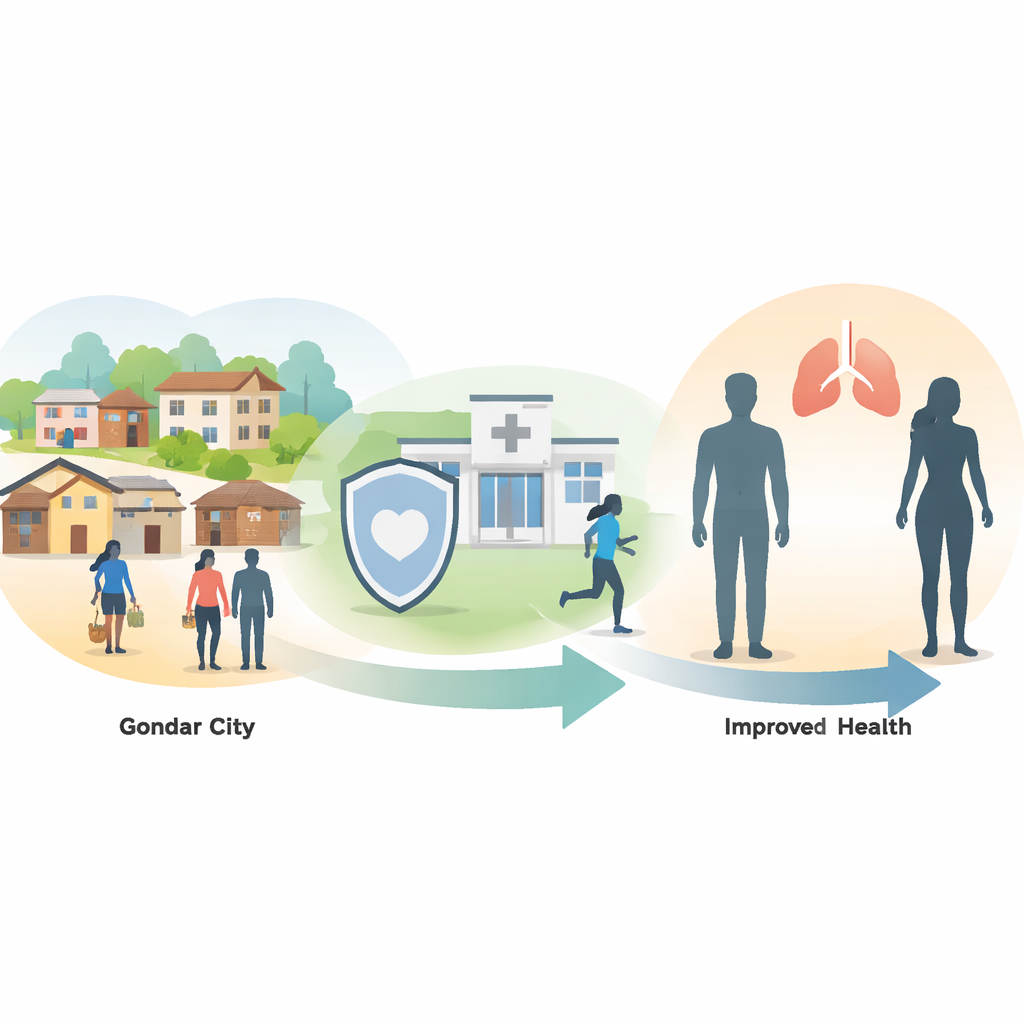
Many serious illnesses, like heart disease and diabetes, develop silently for years before symptoms appear. Routine medical checkups can catch these problems early, when they are easier and cheaper to treat. This study, carried out in Gondar City in northwest Ethiopia, asked a simple but crucial question: how many adults know about the value of regular checkups for long‑lasting diseases, and what factors shape that awareness? The answers help explain why some people take preventive care seriously while others do not, and point to practical steps for improving health in similar communities.
The Growing Burden of Silent Illnesses
Non‑communicable diseases such as heart disease, cancer, chronic lung disease, and diabetes are now the leading causes of death worldwide, and their impact is especially heavy in low‑ and middle‑income countries. Ethiopia faces a “triple burden” of infectious diseases, maternal and childhood problems, and these long‑lasting conditions. Without stronger prevention, the country is expected to see a sharp rise in early deaths and disability from these illnesses. Routine medical checkups, sometimes called health screenings or general health examinations, are one of the main tools for finding such diseases early, before they cause strokes, kidney failure, or other life‑threatening complications.
How the Study Was Carried Out
The researchers conducted a community survey in Gondar City between May and July 2024. Using a multistage sampling approach, they selected eight neighborhoods and then visited every seventh household, interviewing one adult resident per home. In total, 776 adults took part, with an average age of 36 years and a mix of education levels and income groups. Participants were asked whether they had heard about screening for non‑communicable diseases at health facilities and understood that such screening should be done regularly, about once a year. A set of 14 questions gauged their awareness, and additional questions explored their schooling, income, health behaviors, chronic illnesses, and whether they had health insurance.
What People Knew About Checkups
About two‑thirds of respondents—62.5 percent—showed what the study defined as “good awareness” of routine checkups. Many had direct experience with long‑lasting health conditions: roughly two in three reported having at least one chronic illness, and about four in ten had a family history of such problems. Still, risky habits were common; nearly two‑thirds reported recent alcohol use, and only about one‑third engaged in what the study classified as a good level of physical activity. Just over half of participants had health insurance, and a little more than half expressed a positive attitude toward regular medical examinations. These numbers suggest that while many people recognize the idea of preventive care, day‑to‑day behaviors and financial constraints may still get in the way.

Key Factors Behind Awareness
By analyzing the data, the researchers identified four main factors that independently predicted better awareness of routine checkups. Education stood out most strongly: compared with adults who could not read or write, those with primary, secondary, or higher education were several times more likely to understand the importance of regular screening. Having a chronic illness also raised awareness, likely because repeated contact with health services and personal experience of disease makes prevention feel more urgent. People who reported a good level of physical activity were more than four times as likely to be aware, suggesting that health‑conscious habits tend to cluster together. Finally, those whose health insurance covered checkups were notably more aware, reflecting the role of affordability and repeated interaction with the health system.
What This Means for Everyday Health
For a layperson, the message is straightforward: knowing about and using routine medical checkups can make the difference between catching a disease early and facing it only after serious damage has occurred. In Gondar City, most adults had at least heard about these services, but awareness was much stronger among people with more schooling, with chronic conditions, who exercised regularly, and who had health insurance. The authors conclude that expanding health education, making insurance and checkup services more accessible, and encouraging active lifestyles could work together to improve early detection of chronic diseases. These steps would not only benefit individuals and families but also help Ethiopia move toward its global goal of reducing early deaths from non‑communicable diseases and improving overall well‑being.
Citation: Salih, M.H., Yohannes, F.G., Mekonnen, H.S. et al. Awareness and factors associated with routine medical checkups for non-communicable diseases among adults in Gondar City, Ethiopia. Sci Rep 16, 14049 (2026). https://doi.org/10.1038/s41598-026-44487-4
Keywords: routine medical checkups, non-communicable diseases, health awareness, Ethiopia, preventive healthcare