Clear Sky Science · en
Real-world use of rivaroxaban for primary thromboprophylaxis and cardiac thrombosis treatment in congenital and acquired heart disease: a prospective cohort study
Why this matters for children with heart problems
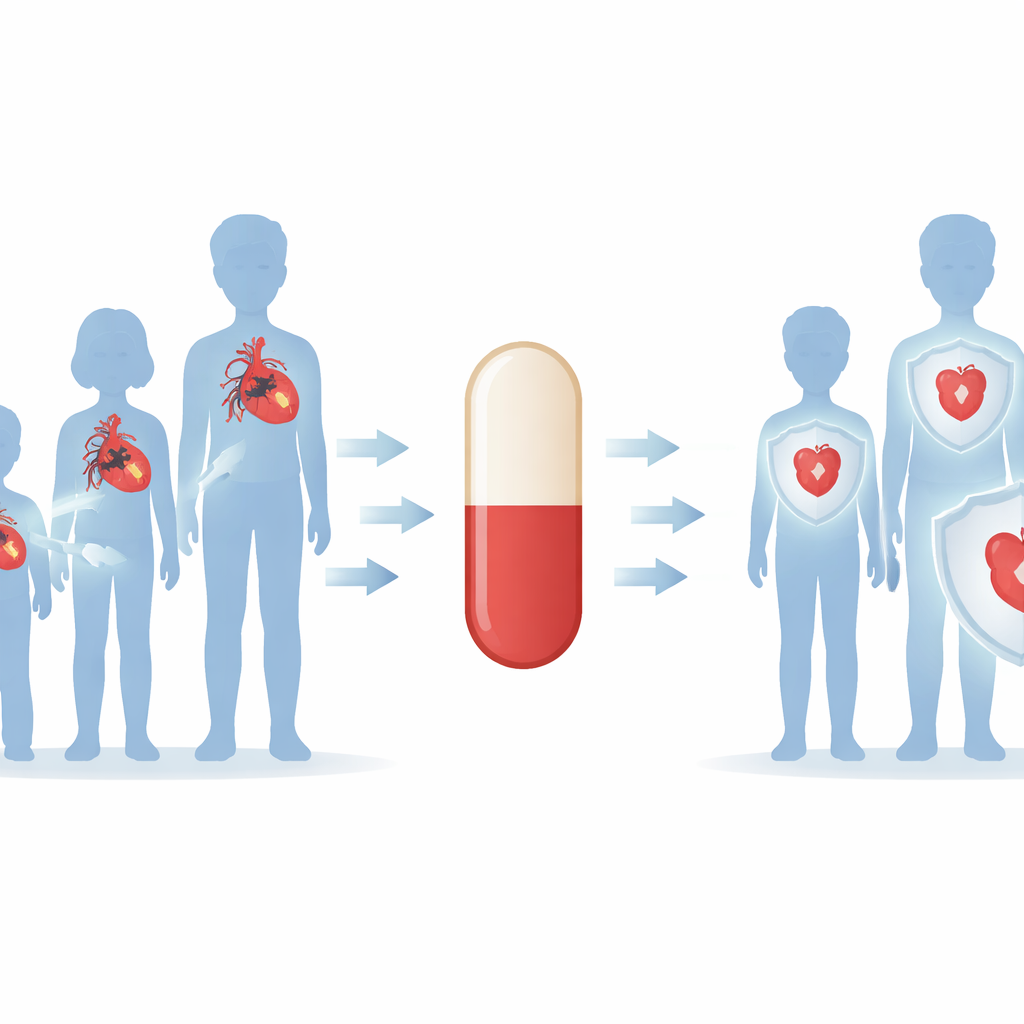
Many children born with serious heart defects, or who develop heart disease early in life, need medicines to prevent dangerous blood clots. These drugs can be lifesaving, but they also carry a risk of bleeding. This study followed real children in everyday care to see how one newer blood thinner, rivaroxaban, actually performs outside of carefully controlled clinical trials, and which young patients might need extra caution.
A newer type of blood thinner
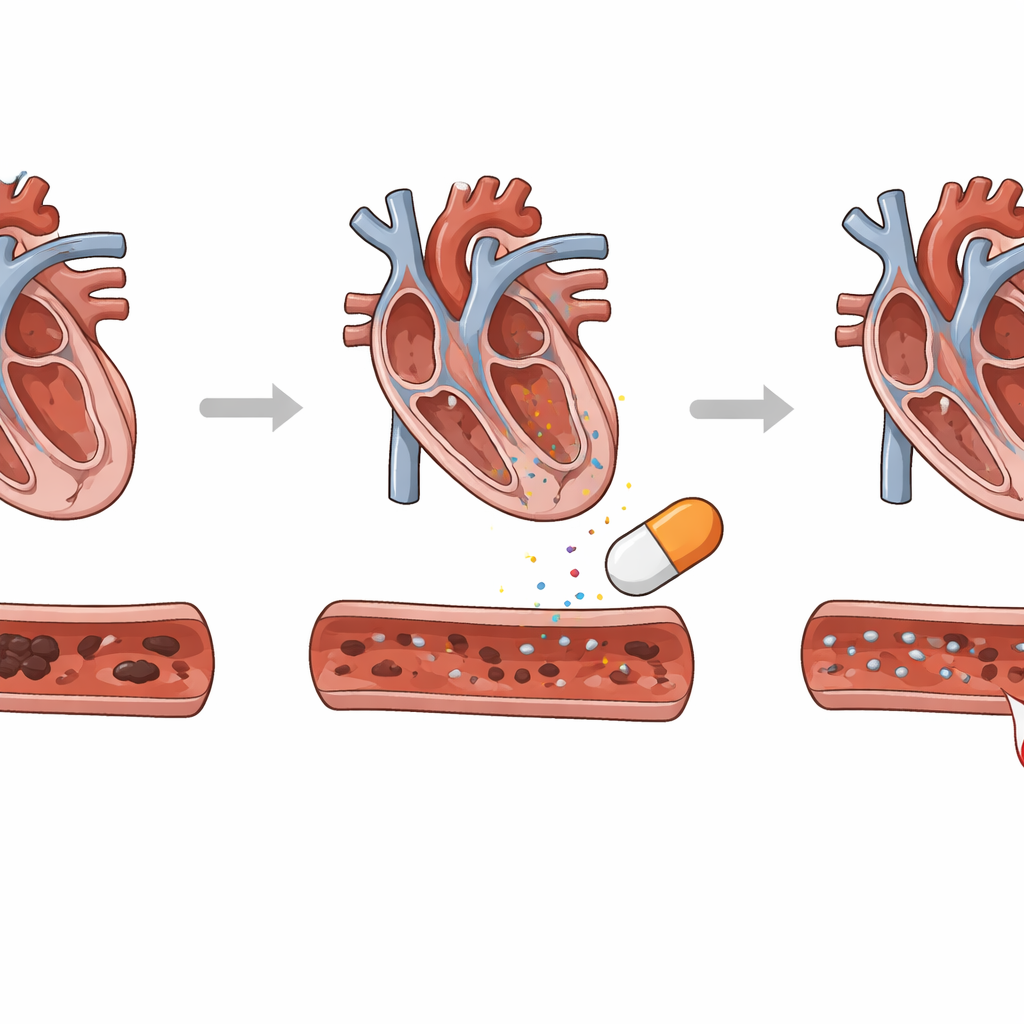
For decades, the standard blood thinners for children with heart disease have been older drugs like vitamin K antagonists and aspirin. These medicines are hard to manage: doses must be adjusted often, blood tests are frequent, and food and other drugs can interfere with their effect. Rivaroxaban belongs to a newer class of medicines called direct oral anticoagulants. In adults, these drugs are popular because they are easier to use and need less monitoring. Early trials in children, especially those with complex single-ventricle hearts who have undergone the Fontan procedure, suggested that rivaroxaban could be as safe and effective as the older options. But those trials were relatively short and included very select patients, leaving open the question of what would happen when the drug was used broadly in routine practice.
How the study was done
Doctors at a major children’s hospital in Paris prospectively followed 125 patients under 18 years of age with either congenital or acquired heart disease who were prescribed rivaroxaban for more than two months. Most had very complex conditions, particularly Fontan circulation, while others had weak heart muscle, rhythm problems, or large coronary artery bulges after Kawasaki disease. Some children had never taken a blood thinner before; others were switched from warfarin-like drugs or aspirin. Families were trained in how to use the medicine, and the team recorded any serious bleeding or clotting episodes over a median of about eight and a half months per child, adding up to more than 36,000 days of exposure.
What happened to bleeding and clotting
Nearly one in five children had some form of bleeding, but only 16 episodes in 14 children were considered medically significant. This translated to about 14 significant bleeding events per 100 patient-years—meaning that if 100 similar children took rivaroxaban for a year, roughly 14 would be expected to have a notable bleed. No child died from bleeding, and by one year almost 9 out of 10 remained free of any major or clinically important bleeding. There were four confirmed clots, corresponding to about 4 events per 100 patient-years, all in children with especially strong clotting tendencies, such as severe heart muscle weakness, giant coronary aneurysms, or an autoimmune clotting disorder discovered later. In these complex settings, even powerful blood thinners sometimes cannot fully eliminate clot risk, and some children were switched to other treatments.
Teenage girls face special risks
The standout finding was that adolescent girls were much more likely to have serious bleeding while on rivaroxaban. When the researchers analyzed the data, being female and older than 12 years were the two clear risk factors for significant bleeding. More than half of these events were heavy menstrual bleeds, sometimes so severe that girls became dangerously anemic and needed blood transfusions or intensive care. These episodes likely reflect the natural instability of menstrual cycles in the early years after a girl’s first period, combined with a drug that makes it harder for blood to clot. In several cases, gynecologic hormone treatments and close coordination between heart specialists and pediatric gynecologists were required to control the bleeding without losing the protection against clots.
What this means for families and doctors
Overall, the study supports the idea that rivaroxaban can be used in children with complex heart disease, with no deaths directly linked to bleeding or clots during follow-up. However, the real-world rates of serious bleeding and clotting were higher than those reported in tightly controlled trials, reminding us that everyday patients are often sicker and more varied than those in research studies. For families and clinicians, the key message is that rivaroxaban is a practical option, but it is not risk-free—especially for teenage girls, who should be carefully counseled and monitored for heavy periods and anemia. Tailoring the choice and dose of blood thinner to each child’s age, sex, heart condition, and lifestyle remains essential to balance protection from clots against the danger of bleeding.
Citation: Derridj, N., Malekzadeh-Milani, S., Lasne, D. et al. Real-world use of rivaroxaban for primary thromboprophylaxis and cardiac thrombosis treatment in congenital and acquired heart disease: a prospective cohort study. Sci Rep 16, 13923 (2026). https://doi.org/10.1038/s41598-026-43303-3
Keywords: pediatric anticoagulation, congenital heart disease, rivaroxaban, bleeding risk, Fontan circulation