Clear Sky Science · en
Investigation into the radioactivity of various natural and anthropogenic radionuclides in marine sediments from the Sudanese coastline of the Red Sea
Why this coastline matters to everyday life
The Red Sea along Sudan’s coast is not only a busy shipping route and fishing ground, it is also a natural storehouse for substances that can quietly build up over time, including radioactive materials. Because seafood, tourism, and coastal communities all depend on a healthy marine environment, understanding how much radioactivity is present in these sediments—and whether it poses a risk—is important for anyone who cares about food safety and ocean health.
Taking a closer look at the sea floor
To find out what is happening beneath the waves, the researchers collected sixty surface sediment samples from ten locations along the Sudanese Red Sea coast, from Port Sudan down to Sawakin. Sampling was done twice, once in the hot, dry summer of 2016 and again in the cooler winter of 2017, always from the top few centimeters of the seabed where recent material settles. In the lab, they used a very sensitive detector to measure four key radioactive substances: three that occur naturally in rocks and soils (potassium-40, radium-226, and thorium-232) and one, cesium-137, that mainly comes from human activities such as past nuclear tests and reactor accidents.
Natural versus human-made radioactivity
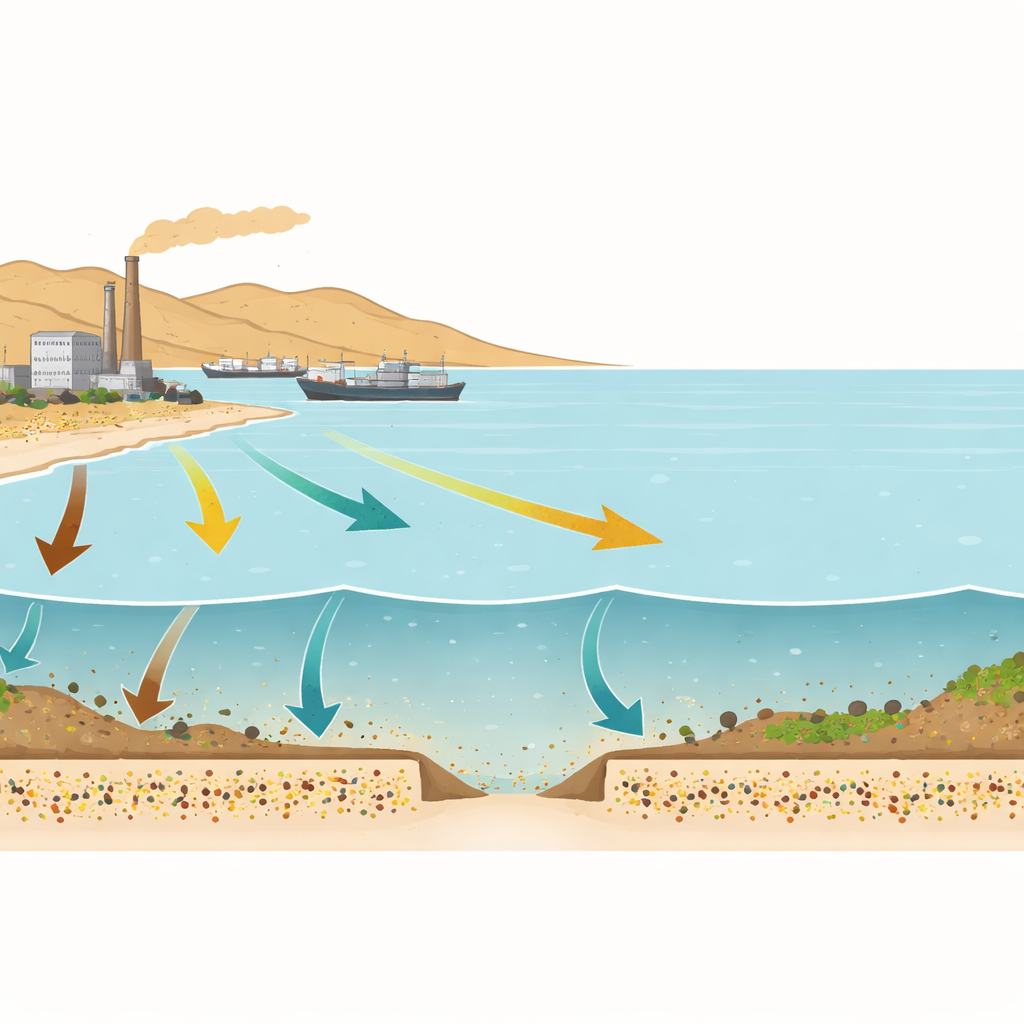
The team found that natural radioactivity in the sediments varied from place to place but generally stayed below worldwide average levels. Potassium-40 showed the widest range, reflecting differences in the mineral content of the seabed—from clay-rich muds to carbonate and silica-rich sands. The man-made tracer cesium-137 was present at low levels comparable to other seas, such as the Arabian Gulf and parts of the Mediterranean. Importantly, when the scientists compared their results to measurements made in the same region about two decades ago, they saw no sign of new cesium-137 input, suggesting that recent human activities have not added noticeable radioactive contamination.
Hot spots, seasons, and what shapes them
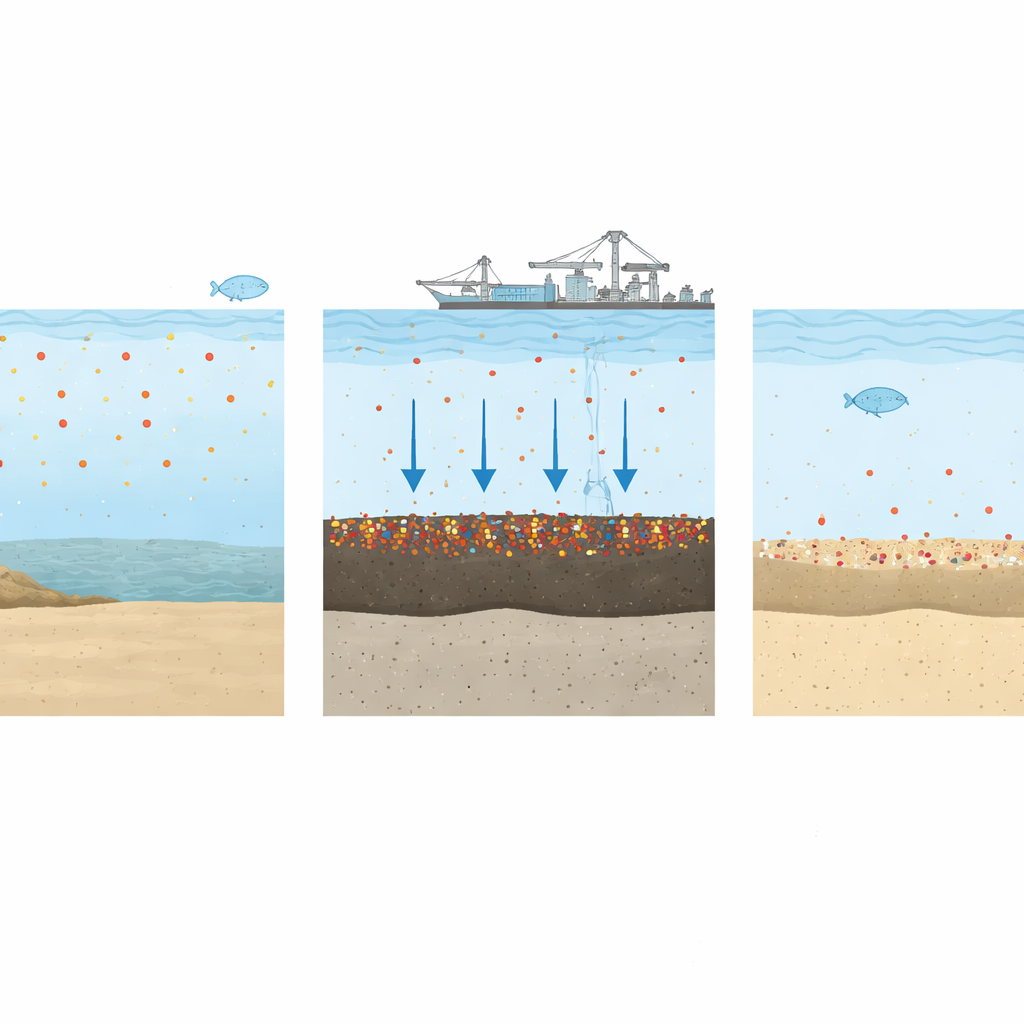
Although overall levels were low, some patterns stood out. Sediments collected near Port Sudan Harbor, a busy industrial and shipping hub, contained the highest concentrations of both natural radionuclides and cesium-137. This area has fine, clay-rich sediments and more industrial influence, conditions that help radioactive particles stick and stay put. In contrast, locations such as Dammat and Kello-8, where the seabed is dominated by clean, coarse sand and carbonate fragments, showed much lower levels. Seasonal changes also mattered: cesium-137 and potassium-40 tended to be slightly higher in summer, when warmer temperatures, stronger evaporation, and more stable water columns make it easier for these substances to be locked into sediments rather than stirred back into the water.
Linking the pieces with simple indicators
To translate these measurements into real-world meaning, the authors used a set of standard indices recommended by international radiation bodies. These combine the different radionuclides into single scores that estimate how much external gamma radiation a person might receive, how much might affect the lungs through radon gas, and what the added lifetime cancer risk could be. All of these indicators, including the “radium equivalent activity,” annual effective dose, and a screening “gamma index,” were far below the conservative limits set for public exposure. Even measures focused on sensitive tissues, such as the annual dose to reproductive organs, remained comfortably under recommended thresholds.
What it all means for people and the sea
For residents, workers, and tourists along the Sudanese Red Sea coast, the study’s bottom line is reassuring: current levels of both natural and human-made radioactivity in surface sediments do not pose a significant health risk, and the region appears radiologically safe for normal activities. At the same time, the work highlights Port Sudan Harbor as a zone of enhanced accumulation and underscores how sediment type, industrial development, and seasonal conditions together shape where radioactivity ends up. By providing fresh baseline data and clear risk indicators, the study lays a foundation for long-term monitoring so that any future changes—from new industries, accidents, or climate-driven shifts in sediment movement—can be detected early and managed before they threaten marine ecosystems or human health.
Citation: Abowslama, E., Eltayeb, M., Ibrahim, K.E. et al. Investigation into the radioactivity of various natural and anthropogenic radionuclides in marine sediments from the Sudanese coastline of the Red Sea. Sci Rep 16, 13480 (2026). https://doi.org/10.1038/s41598-026-42807-2
Keywords: marine radioactivity, Red Sea sediments, environmental radiation, cesium-137, coastal pollution