Clear Sky Science · en
Lived experience and perceived barriers to self-care among patients with type 2 diabetes mellitus in South Ethiopia: a descriptive phenomenological study
Why this story matters
Type 2 diabetes is often described as a condition people can manage themselves with the right habits and treatment. But for many adults in South Ethiopia, looking after this illness is far from simple. This study listens closely to their voices, revealing how fear, culture, money, family, and the health system all shape what they can actually do day to day. It shows that good diabetes care is not just about telling people what to eat or which pills to take—it is about understanding the world they live in.
Life turned upside down
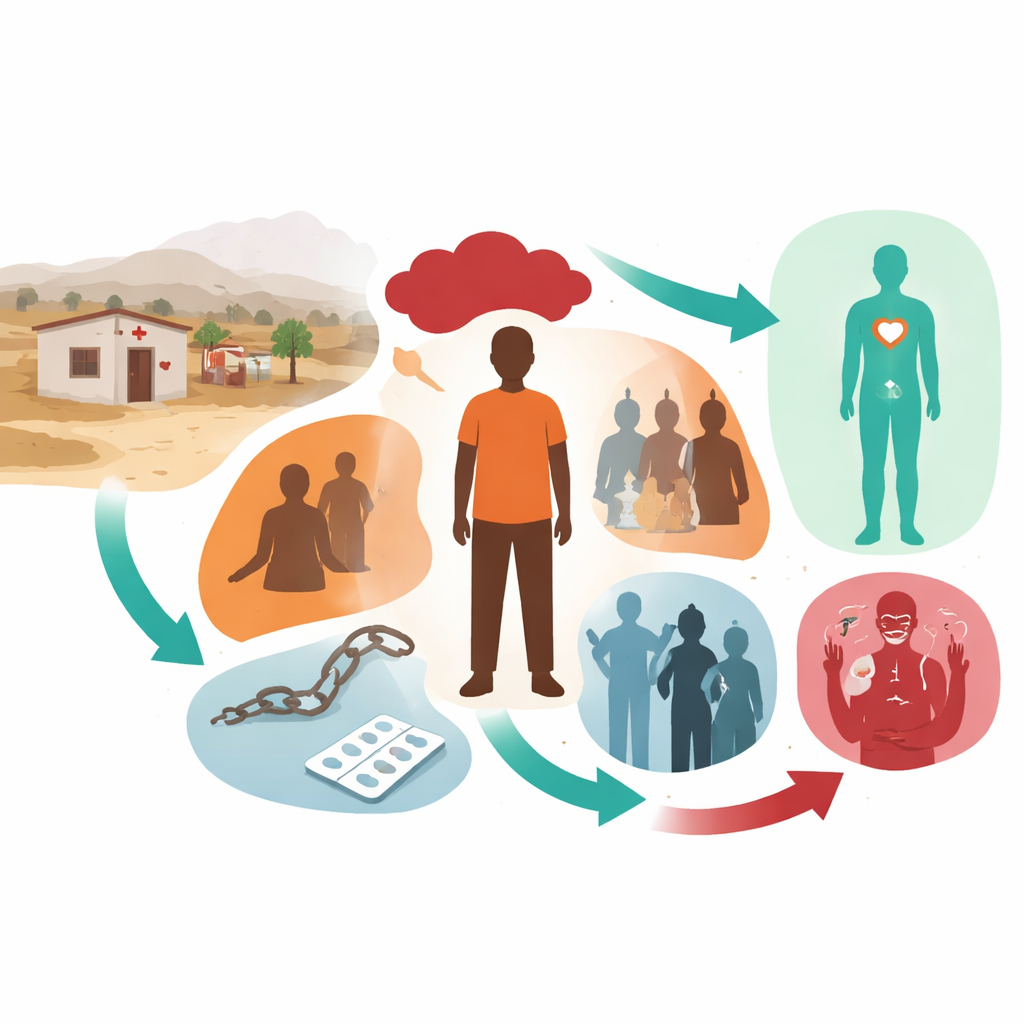
Many participants described the moment they were told they had diabetes as a shock that changed how they saw their future. Some felt they might die soon; others cried or fell into deep worry. Older adults in particular spoke of fear, hopelessness, and a sense that life had suddenly become uncertain. At the same time, several people had never really heard of diabetes before. Without a clear idea of what the disease meant, the diagnosis felt distant or unreal. Only later—when symptoms worsened or complications appeared—did the full weight of the illness sink in, often bringing fresh waves of anxiety and sadness.
The hidden dangers inside the body
As the years passed, many patients faced serious complications such as stroke, partial paralysis, or other chronic conditions like high blood pressure and high cholesterol. They described diabetes as a "silent" problem that can quietly damage the body before any warning signs appear. Living with more than one illness at a time added to their fatigue and sense of vulnerability. People spoke of constantly wondering when something else might go wrong. For some, this deepened their resolve to follow self-care advice; for others, the weight of possible blindness, kidney failure, or disability felt overwhelming and could discourage day-to-day efforts.
When care depends on money and access
Beyond emotions, the basic cost of staying healthy was a daily struggle. Many participants could not afford lower-carbohydrate foods or stable supplies of medicine. When local hospitals ran out of drugs, some simply stopped treatment because private pharmacies were too expensive. Others had to choose between buying food for their families and buying their own medication. These were not rare events but constant pressures. In this setting, diabetes self-care became an economic negotiation rather than a straightforward health choice. Such gaps in drug supply and household income made it hard to keep blood sugar under control, even for people who knew what they were supposed to do.
Culture, faith, and support at home and in clinics
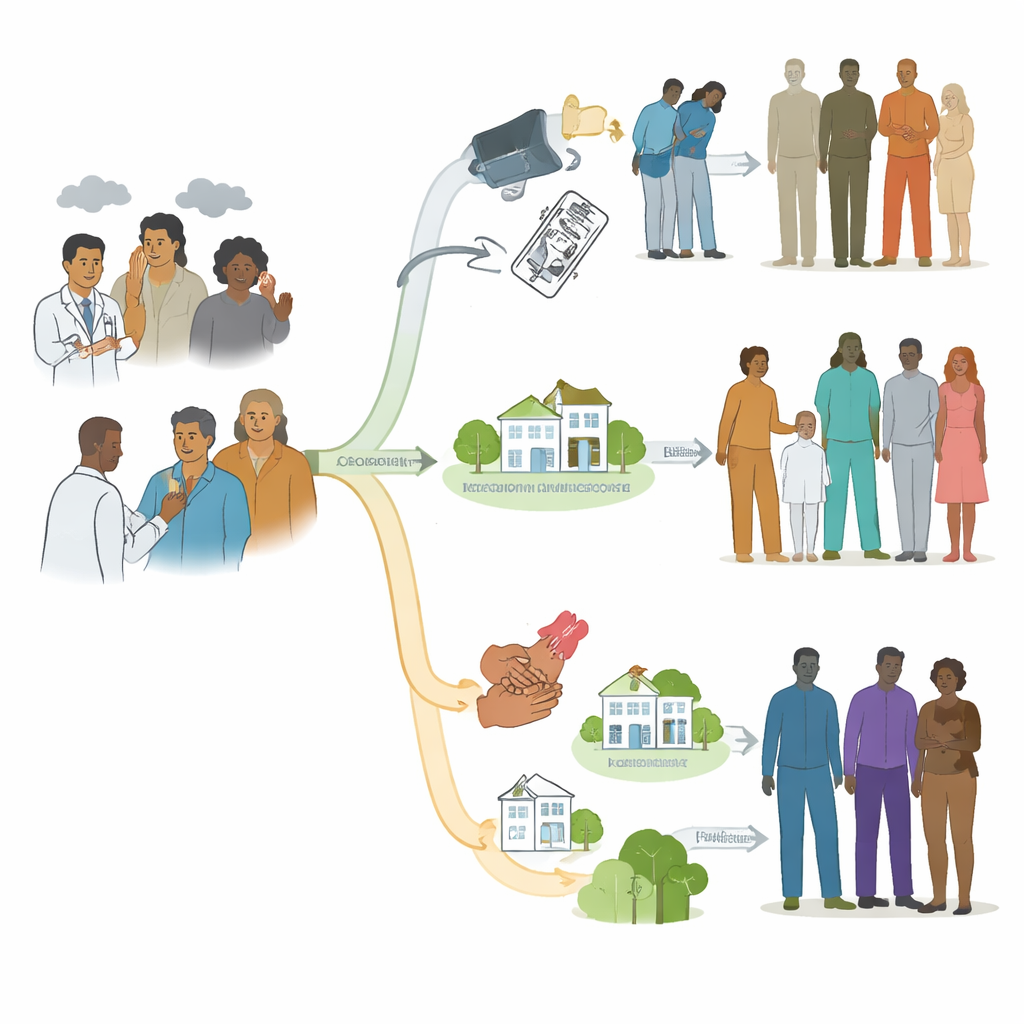
Cultural expectations and religious beliefs also shaped how people handled their illness. Some felt ashamed to take tablets in front of others and skipped doses to avoid being seen as sick. Others turned to herbal remedies, such as plant leaves, especially when modern medicines were unavailable or too costly. A few stopped treatment entirely because they believed prayer or spiritual healing alone would cure them, sometimes with severe consequences like blindness or paralysis. At the same time, many patients felt let down by the health system and those closest to them. They spoke of rushed or uncaring treatment, long waits for doctors, and family members who did not help with special meals or routines. Without kind guidance and practical help, it was easy to fall into habits like drinking alcohol, missing meals, or forgetting medicines.
What needs to change
The study shows that living with diabetes in South Ethiopia is not just a medical task; it is an emotional, social, cultural, and financial journey. People are trying to care for themselves while facing fear, limited knowledge, tight budgets, strong traditions, and uneven support from both families and clinics. The authors argue that better diabetes care must go beyond giving instructions. It should include emotional counseling, education that respects local culture and religion, reliable access to affordable medicine and healthy food, and more compassionate, well-trained health workers. When communities, religious leaders, families, and policymakers work together, they can help turn diabetes self-care from a lonely struggle into a shared, supported effort that protects health and dignity.
Citation: Ageru, T.A., Le, C.N., Wattanapisit, A. et al. Lived experience and perceived barriers to self-care among patients with type 2 diabetes mellitus in South Ethiopia: a descriptive phenomenological study. Sci Rep 16, 12942 (2026). https://doi.org/10.1038/s41598-026-42142-6
Keywords: type 2 diabetes, self-care barriers, Ethiopia, patient experiences, chronic disease management