Clear Sky Science · en
Longitudinal changes in cardiorespiratory fitness and risk of depressive and anxiety disorders in a nationwide cohort of 7 million participants
Why Your Stamina May Matter for Your Mood
Most of us think of fitness as something that protects the heart and lungs, but a massive new study of 7 million Korean adults suggests it may also shield the mind. The research followed people for more than seven years and found that changes in how fit they were over time predicted their chances of developing depression and anxiety. The takeaway is simple but powerful: whether your stamina goes up or down may say a lot about your future mental health.
Tracking Health in Everyday Life
Instead of putting millions of people on treadmills, the researchers built a clever shortcut. Using data from a national fitness testing program, they created an equation that can estimate a person’s cardiorespiratory fitness—how well the heart and lungs deliver oxygen during activity—from routine health checkup information like age, body size, waistline, blood pressure, and sex. They then applied this “estimated fitness” score to more than 7 million adults who took part in South Korea’s regular health screening program in 2011–2012 and again in 2013–2014. Everyone was between 19 and 64 years old and free of diagnosed depression or anxiety at the start.
Who Got Fitter, Who Slowed Down
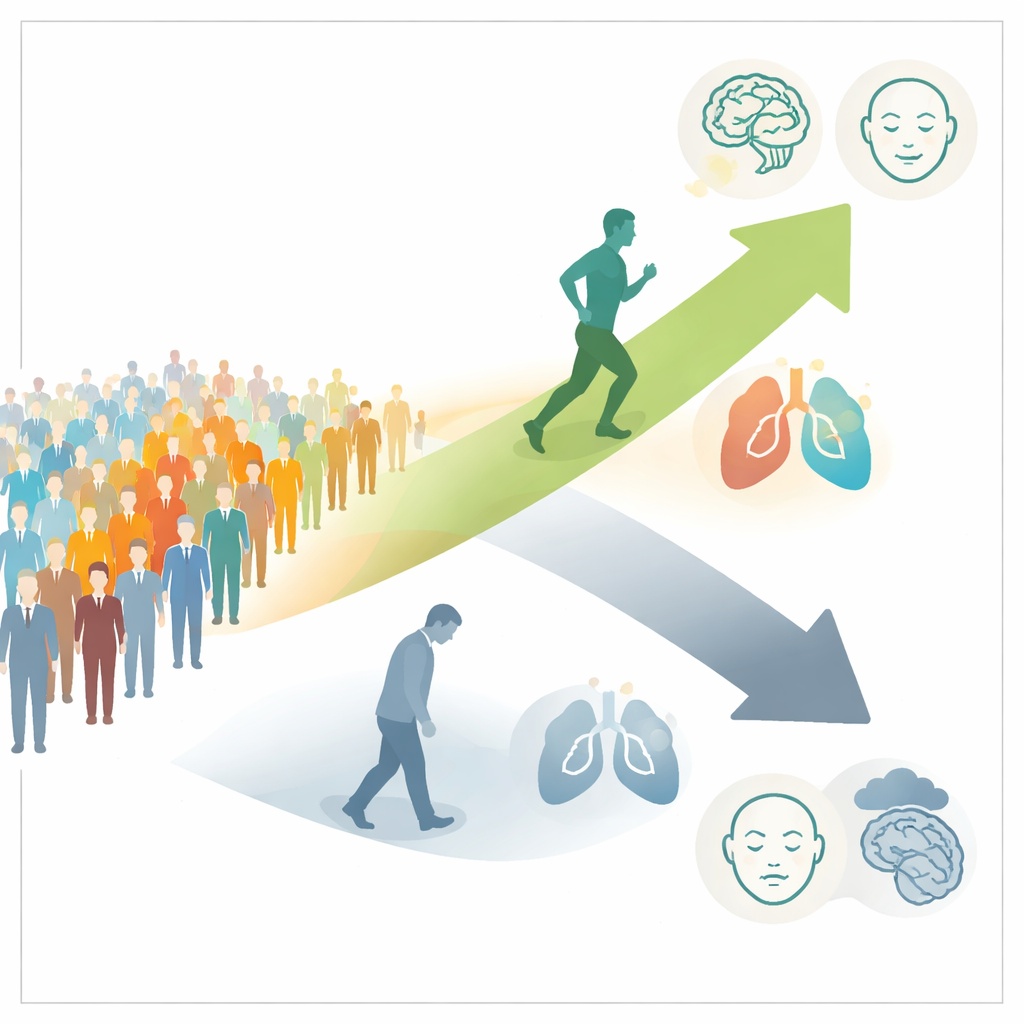
The team calculated the percentage change in each person’s estimated fitness over roughly two years, grouping people from those whose fitness dropped by more than 5% to those whose fitness rose by at least 5%. People whose fitness improved the most tended to be a bit older and to live with more health problems such as high blood pressure or diabetes—but they were also the most physically active. By contrast, those whose fitness declined the most had higher body weight, larger waistlines, and were less likely to report regular exercise. These patterns suggest that everyday choices about movement and lifestyle were closely tied to whether fitness was rising or falling.
Fitness Change and Future Mood Problems
Starting in 2015, the researchers watched who went on to receive a new medical diagnosis of depression or anxiety, confirmed by psychiatrists, through early 2022. During this time, more than 450,000 people developed depression and over 700,000 developed anxiety. After taking into account income, smoking, drinking, existing illnesses, and starting fitness levels, a clear pattern emerged. Compared with people whose fitness stayed about the same, those whose fitness dropped by more than 5% had about 17% higher risk of depression and 12% higher risk of anxiety. In contrast, those whose fitness rose by at least 5% had about 7% lower risk of depression and 14% lower risk of anxiety. The more fitness improved, the more the risk dropped, and the more fitness declined, the more risk climbed.
Who Benefits Most from Staying Active
The link between changing fitness and mental health held up across many kinds of people—men and women, younger and older adults, people with and without other illnesses, and across smoking and income groups. In some groups the benefits were especially strong: women, older adults, and people who already had other health problems seemed to gain more mental health protection when their fitness improved. People who exercised more often showed the steepest drop in risk, while current smokers gained less from fitness gains and faced more harm from fitness losses. Even when the researchers repeated the analysis after removing people who got sick in the first year of follow-up, and when they accounted for changes in body weight, the overall story did not change.
How Stronger Bodies May Support Stronger Minds
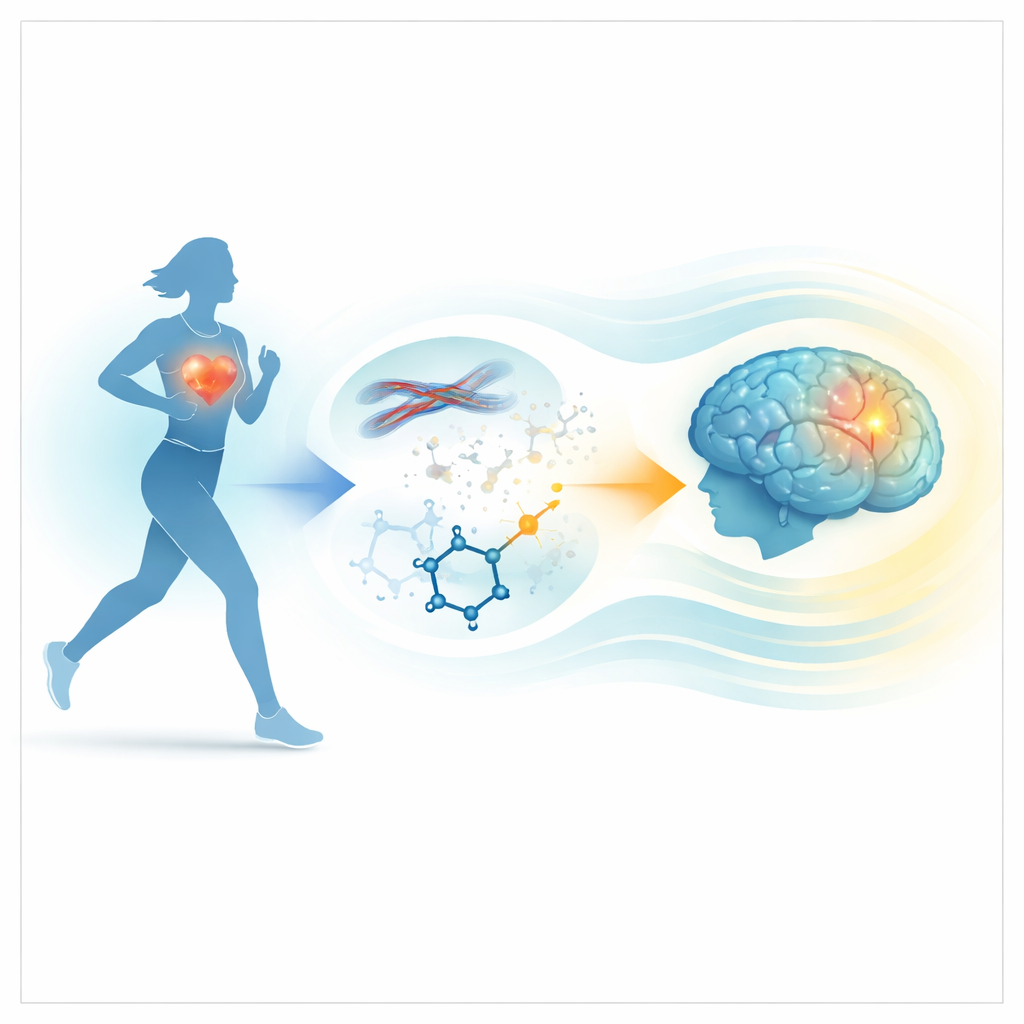
Why might better stamina help keep depression and anxiety at bay? Improving fitness usually means doing regular activities like brisk walking, jogging, or cycling. Past research shows that this kind of movement can boost brain-supporting chemicals, encourage the growth of new nerve cells, and make the brain’s stress systems more stable. Fitter people also tend to have lower levels of long-term inflammation in the body and to feel more in control, socially connected, and confident—factors known to protect mental health. On the flip side, a drop in fitness can signal less movement, growing health problems, or social withdrawal, all of which can increase emotional strain over time.
What This Means for Everyday Life
For non-specialists, the message is straightforward: changes in your ability to move and sustain activity are not just about your heart—they may also foreshadow your emotional well-being. In this enormous national study, people who held onto or improved their fitness were less likely to develop depression or anxiety than those whose fitness slipped. While the study cannot prove cause and effect, and it was done in one country, it points to a practical idea. Treating stamina as a routine health sign—something to monitor and support, much like blood pressure—may help doctors, communities, and individuals spot rising mental health risk early and nudge people toward everyday habits, like regular walking or other aerobic activity, that can strengthen both body and mind.
Citation: Park, JH., Kong, S., Lim, Y. et al. Longitudinal changes in cardiorespiratory fitness and risk of depressive and anxiety disorders in a nationwide cohort of 7 million participants. Sci Rep 16, 12824 (2026). https://doi.org/10.1038/s41598-026-41932-2
Keywords: cardiorespiratory fitness, depression, anxiety, physical activity, mental health prevention