Clear Sky Science · en
Endometrial cortisol level and its relationship with psychological stress, molecular tissue changes, and clinical outcomes in infertile women
Why stress and fertility are closely linked
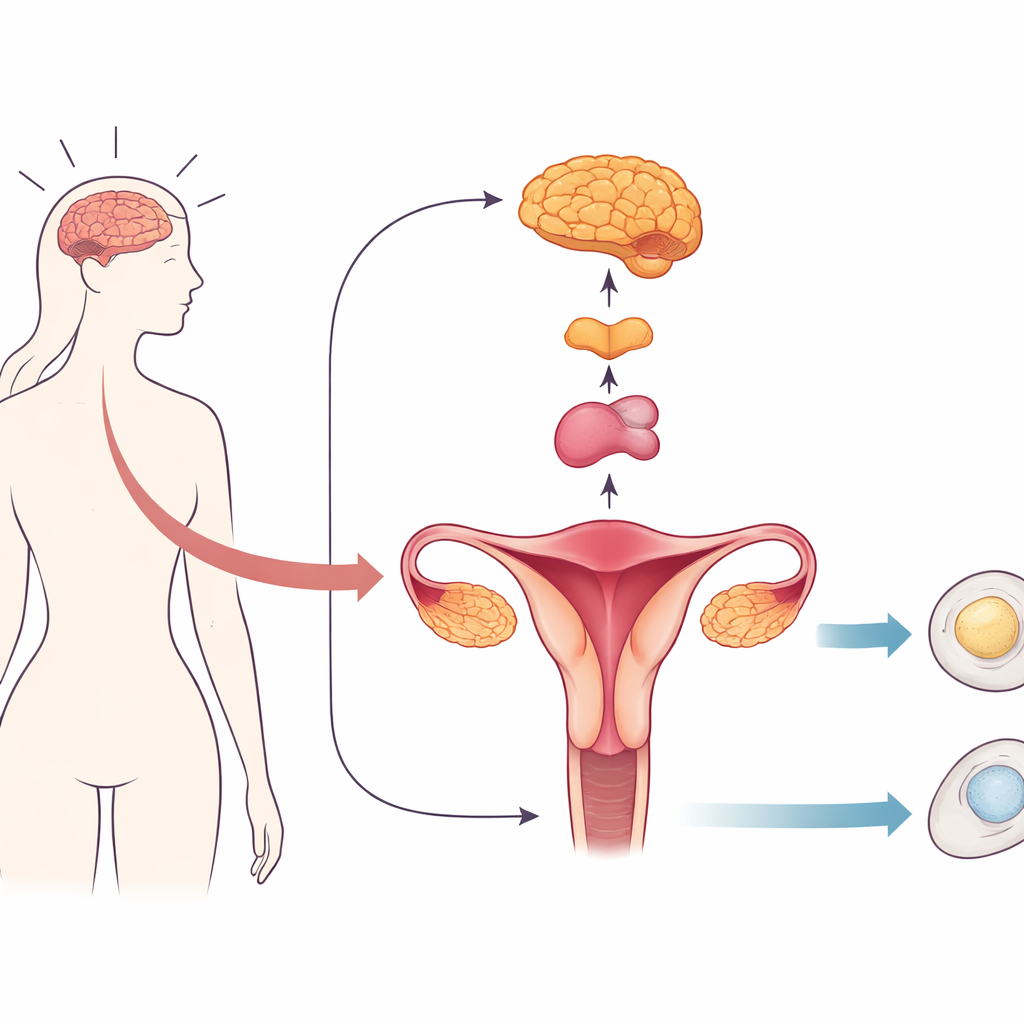
For many people undergoing in vitro fertilization (IVF), the emotional roller coaster of treatment raises a troubling question: can stress itself make it harder to get pregnant? This study looks inside the uterus, specifically at the lining where an embryo must implant, to see whether the body’s main stress hormone, cortisol, and women’s reported anxiety are connected to changes in this tissue and to IVF success.
Looking inside the uterine lining
The researchers followed 84 women having IVF who agreed to an endometrial biopsy, a small sample of the uterine lining taken during the window when an embryo would normally implant. From this tissue, they measured how much cortisol was present locally and analyzed which genes were switched on or off. The same women completed a standard anxiety questionnaire that separates short-term, situation-driven anxiety from long-standing anxious tendencies. The team then tracked what happened in the very next IVF cycle, from embryo transfer through to live birth or lack of pregnancy.
Stress signals and local cortisol go hand in hand
Among the women whose cortisol could be measured, nearly 60 percent were classified as stressed on at least one anxiety scale. Those reporting higher moment-to-moment anxiety tended to have higher cortisol levels in the uterine lining. When the researchers grouped women by cortisol ranges, they saw a clear pattern: as local cortisol increased, the proportion of women classified as stressed rose almost linearly. This suggests that the emotional burden of infertility treatment is mirrored by a biochemical stress signal right where implantation must occur, even though this local hormone level does not simply track standard blood measurements.
High cortisol, altered genes, and lower pregnancy chances
The team next asked whether this local stress signal mattered for treatment outcomes. Women whose endometrial cortisol was above a defined high threshold were much more likely not to become pregnant after a single-embryo transfer, facing about a one‑third higher relative risk of treatment failure. At the molecular level, higher cortisol in the endometrial samples was linked to changes in the activity of 182 genes. Many of these genes are involved in key processes required for an embryo to implant and thrive, such as how cells communicate, control their growth and death, manage inflammation, and interact with immune cells. Long-standing anxiety as a personality trait was also tied to shifts in a smaller set of genes related to inflammation, blood clotting, and cell adhesion, all crucial for establishing a healthy early pregnancy.
Testing cortisol’s effects in uterine cells
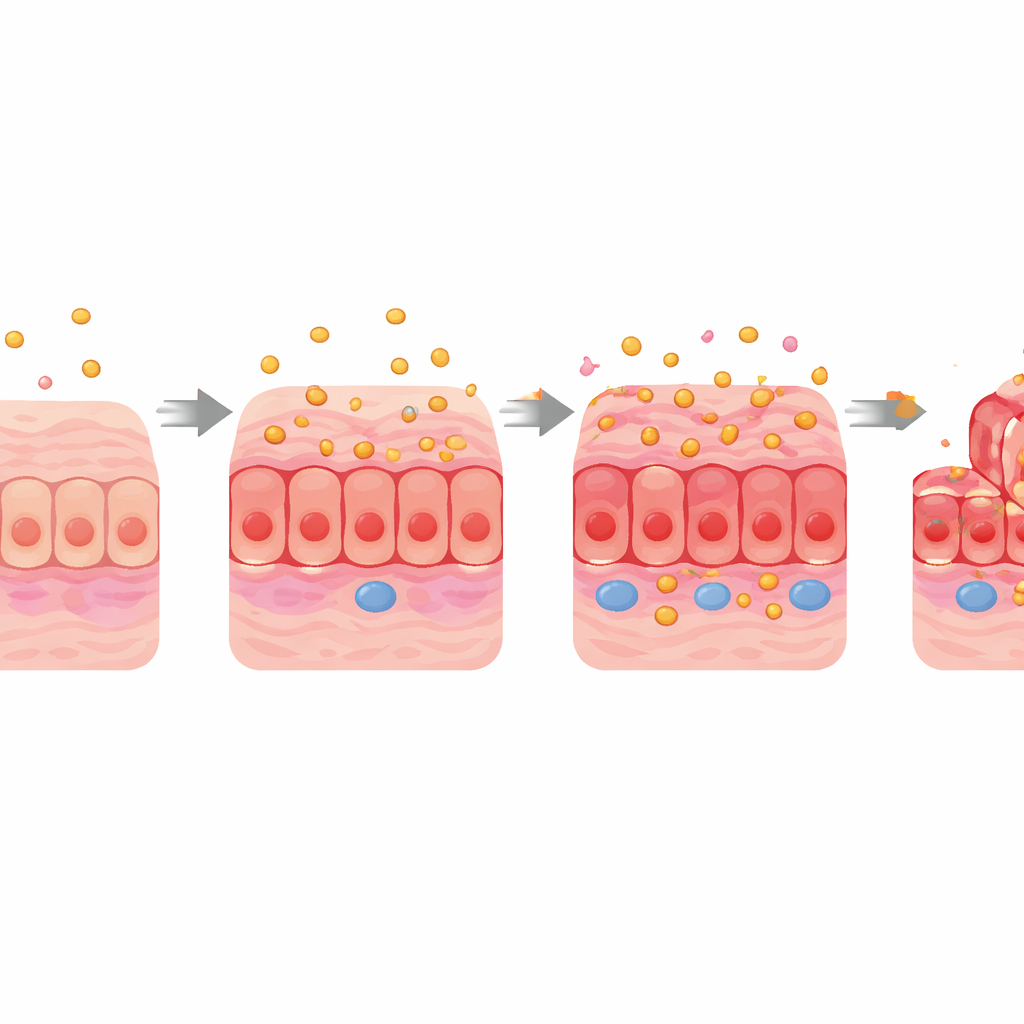
To check whether cortisol itself could drive some of these molecular changes, the researchers exposed cultured human endometrial stromal cells—one of the major cell types in the uterine lining—to controlled doses of cortisol. Several genes that had been linked to cortisol levels in the biopsies showed similar shifts in this dish experiment, with important genes for embryo development and endometrial readiness either strongly reduced or boosted. Although this simplified model cannot capture the full complexity of a real uterus, it supports the idea that elevated cortisol can directly reshape endometrial cells in ways that may influence receptivity to an embryo.
What this means for people seeking fertility care
Overall, the study suggests that psychological stress during IVF is reflected in higher cortisol levels within the uterine lining, which in turn are associated with gene changes that may make implantation harder and reduce the chances of pregnancy. Directly measuring cortisol in the endometrium appears to be a strong, though invasive, marker of risk. Because detailed hormone testing requires a biopsy, the authors propose that standardized psychological questionnaires could offer a practical first screen to flag patients who might benefit from targeted psychological support. Larger future studies will be needed, but this work strengthens the case that caring for mental well-being during fertility treatment is not just about comfort—it may also influence the biology of reproduction itself.
Citation: Marti-Garcia, D., Sebastian-Leon, P., Dolz del Castellar, P. et al. Endometrial cortisol level and its relationship with psychological stress, molecular tissue changes, and clinical outcomes in infertile women. Sci Rep 16, 10292 (2026). https://doi.org/10.1038/s41598-026-41233-8
Keywords: IVF stress, cortisol and fertility, endometrial receptivity, implantation failure, anxiety in infertility