Clear Sky Science · en
Factors influencing students’ intentions to continue learning in AI-assisted painting courses
Why smart art classes matter
As artificial intelligence tools like image generators move from trendy apps into classrooms, art students are being asked to create side by side with machines. This study looks at a simple but crucial question: once the novelty wears off, what makes college students actually want to keep learning in AI-assisted painting courses? By unpacking their feelings, expectations, and worries, the researchers offer a window into how digital tools can strengthen—rather than replace—human creativity.
How the study was set up
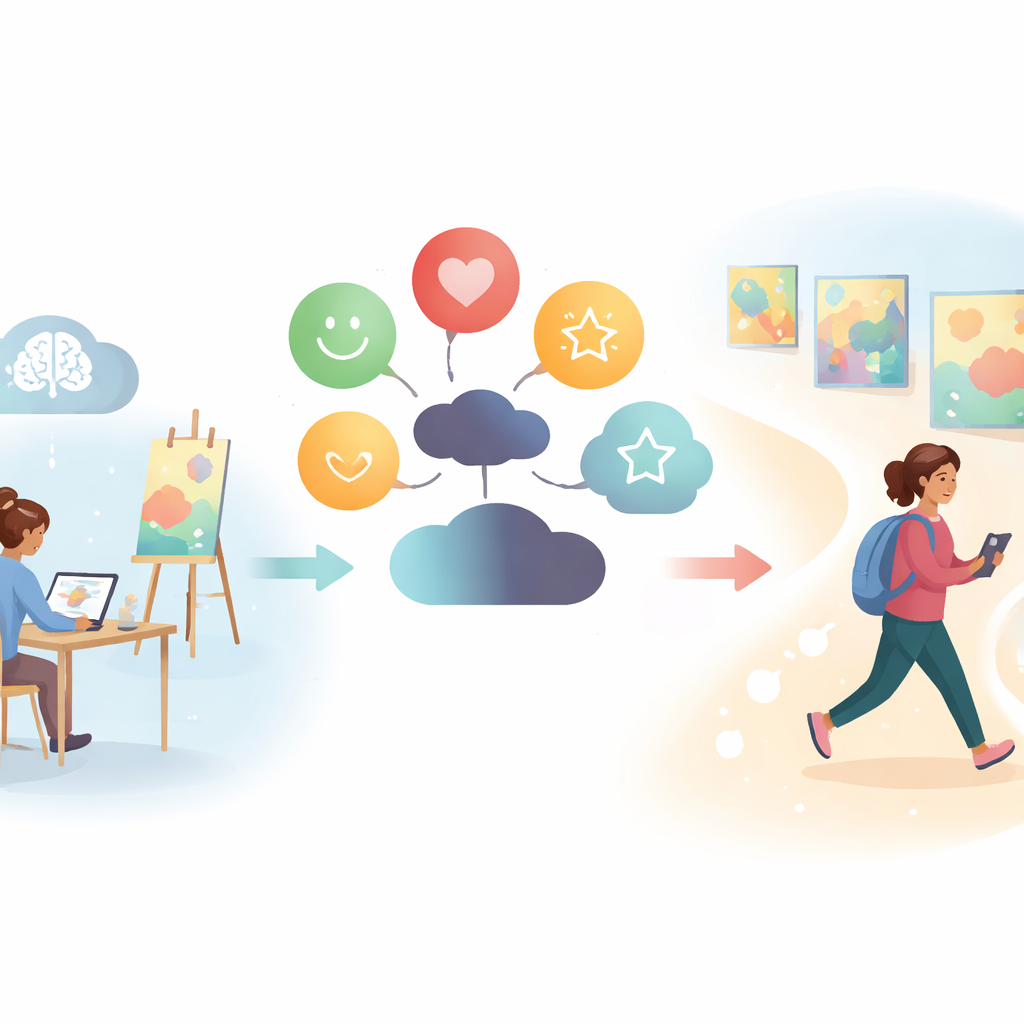
The researchers surveyed 365 university students in China majoring in art and design who had taken painting courses supported by a generative AI platform called Jimeng AI. This system can turn text prompts into images, transform sketches, extend canvases, and apply different artistic styles, all within an “AI–human co-creation” teaching model. After students used the system in class, they completed a detailed questionnaire rating how helpful and easy the tools felt, how “cool” they seemed, how anxious or confident they felt, and whether they planned to keep using AI for future learning.
What drives students to stick with AI painting
Using statistical modeling, the study found that what students feel about AI matters more than how simple it is to operate. Their overall attitude toward AI-assisted painting was the strongest direct driver of their intention to use it. When students believed AI made learning more enjoyable and worthwhile, they were much more likely to plan continued use. Expecting that AI would boost their performance in painting, and seeing the tools as modern and “cool,” also pushed intentions upward. In contrast, anxiety—about technology, about losing traditional skills, or about uncertain outcomes—had a clear negative effect, dampening students’ willingness to engage.
The power of confidence and background
Beyond short-term intentions, the researchers examined students’ deeper resolve to keep learning with AI over time. Here, self-efficacy—the belief that one can master AI tools and tackle challenging tasks—stood out as the key factor. Students who felt capable of using AI effectively were far more likely to commit to long-term use. Interestingly, simply seeing AI as generally useful did not, on its own, predict continued learning, suggesting that in creative fields, feeling personally competent matters more than viewing a tool as broadly practical. The study also found that gender and grade level subtly shaped these patterns: perceived usefulness mattered more for male students than female students, and confidence played a bigger role for first- and second-year students than for seniors.
Many paths, not just one
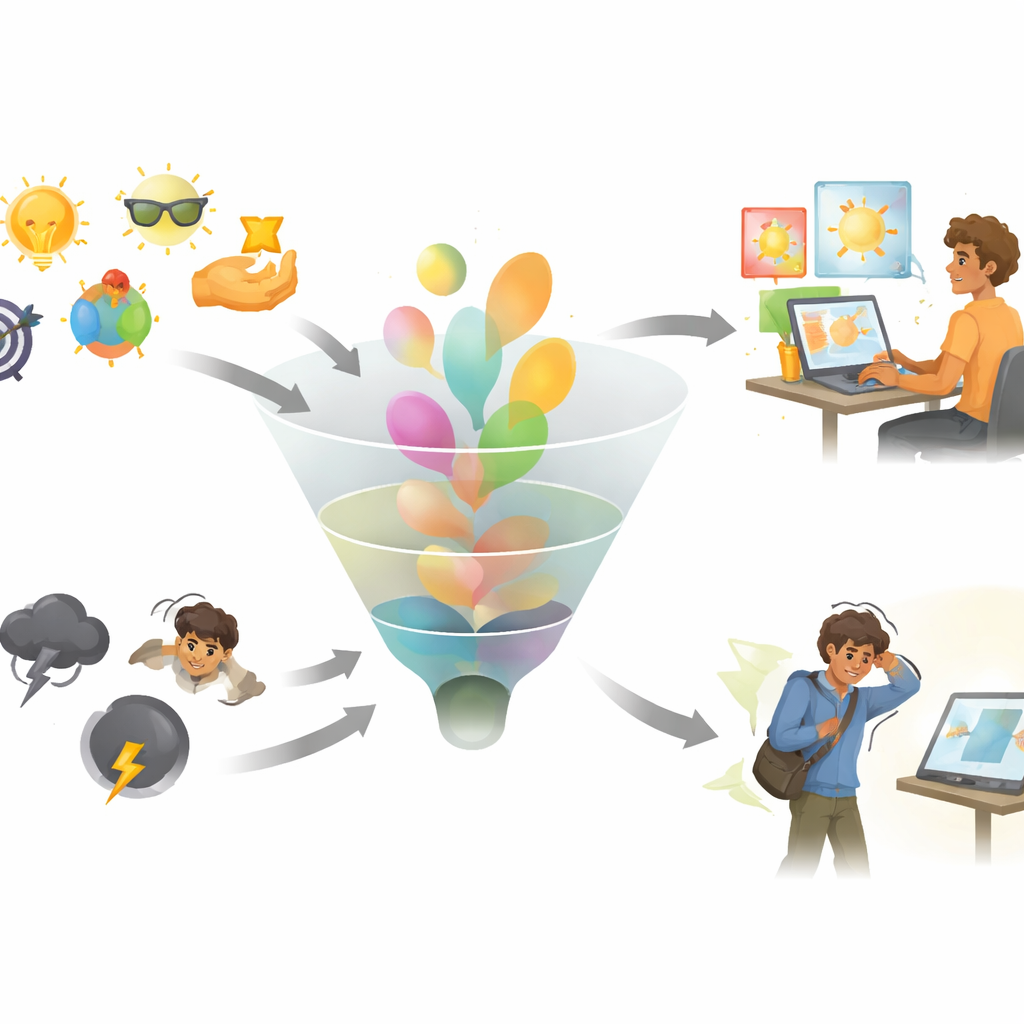
To capture the complexity of real classrooms, the team complemented their main analysis with a method that looks at combinations of factors rather than single causes. This revealed that no one ingredient—such as ease of use or usefulness—was strictly necessary. Instead, several “recipes” of conditions could lead to strong, ongoing engagement. For some students, high confidence, positive attitudes, and low anxiety were enough. For others, ease of use and usefulness only mattered when paired with a strong sense that AI was effective and exciting. This mix-and-match view helps explain why some traditional models of technology acceptance fall short in creative education, where emotions, identity, and culture shape how tools are received.
What this means for art education
Overall, the study concludes that keeping students engaged in AI-assisted painting is less about pushing the latest software and more about shaping the learning experience around human feelings and beliefs. If teachers can foster positive attitudes, reduce fear, highlight where AI genuinely improves creative work, and steadily build students’ confidence with scaffolded tasks and clear feedback, students are more likely to treat AI as a trusted partner in their artistic growth. In other words, the future of digital art education will depend not just on smarter machines, but on helping young artists feel that these tools support rather than threaten their own originality.
Citation: Li, Y., Yang, Y., Chen, L. et al. Factors influencing students’ intentions to continue learning in AI-assisted painting courses. Sci Rep 16, 9846 (2026). https://doi.org/10.1038/s41598-026-40663-8
Keywords: AI-assisted art education, student motivation, digital painting tools, self-efficacy, educational technology