Clear Sky Science · en
Premature mortality from cardio-cerebrovascular diseases in Bogotá an analytical machine learning approach
Why early heart and stroke deaths matter
In big cities around the world, many people die from heart disease and strokes long before reaching old age. This study looks at what is happening in Bogotá, Colombia, and asks a key question: who is dying too soon from these conditions, and why? By combining nationwide death records with modern computer techniques, the authors show how education, health coverage, and where people die are tightly linked to early deaths from heart and brain vessel disease. Their work suggests new ways for health authorities to spot vulnerable groups and act before tragedy strikes.
Taking a closer look at deaths in the city
The researchers analyzed all recorded deaths in Colombia between 2010 and 2022, focusing on Bogotá. They studied adults aged 30 and older who died from four major conditions: blocked heart arteries, strokes, long-term high blood pressure, and heart failure. Deaths before age 75 were labeled “premature,” while those at 75 or older were considered later-life deaths. In Bogotá, premature cardio‑cerebrovascular deaths made up nearly 40,000 cases among people aged 30 to 74, with men more affected than women. Many of these deaths occurred in people with low schooling, those living in the city center, and those covered by the employee-based insurance scheme. Ischemic heart disease was the leading cause, followed by strokes, high blood pressure, and heart failure. 
Rising trends and the shock of the pandemic
When the team plotted deaths over time, they found that both premature and older‑age deaths from these conditions increased steadily across the 13‑year period. The rise became much sharper in 2020 and 2021, the height of the COVID‑19 pandemic. Men showed higher death rates and more year‑to‑year swings than women, and there were mild seasonal peaks, especially around December and mid‑year. Among people over 75, deaths rose in parallel, also spiking during the pandemic. These patterns suggest that long‑standing weaknesses in how chronic diseases are prevented and treated were magnified when the health system came under extreme pressure.
Letting machines search for hidden patterns
To move beyond simple counts and averages, the authors turned to machine learning, a family of methods that lets computers learn patterns from data. They used death records that included age, sex, schooling, ethnic group, insurance type, year and place of death, and the broad cause of death. Several algorithms were tested to see how well they could tell whether a death was premature or not. Among them, a method called random forest performed best, achieving moderate success at distinguishing early from later deaths. Separate models were also built for each disease group, which slightly improved performance and revealed that the patterns behind early deaths are not the same for heart attacks, strokes, high blood pressure, and heart failure.
Social conditions as powerful clues
The most striking result was that social features mattered more than the specific medical diagnosis. Across the general model and the cause‑specific models, schooling level was consistently the top predictor of whether a death was premature. The type of health insurance and place of death—whether in a hospital or at home or elsewhere—were close behind. Sex was especially important for ischemic heart disease, where men were more likely to die early. The authors used a technique called SHAP to visualize how each factor pushed the prediction toward earlier or later death, showing, for example, that low schooling and certain insurance schemes tended to be linked with higher chances of dying before 75. 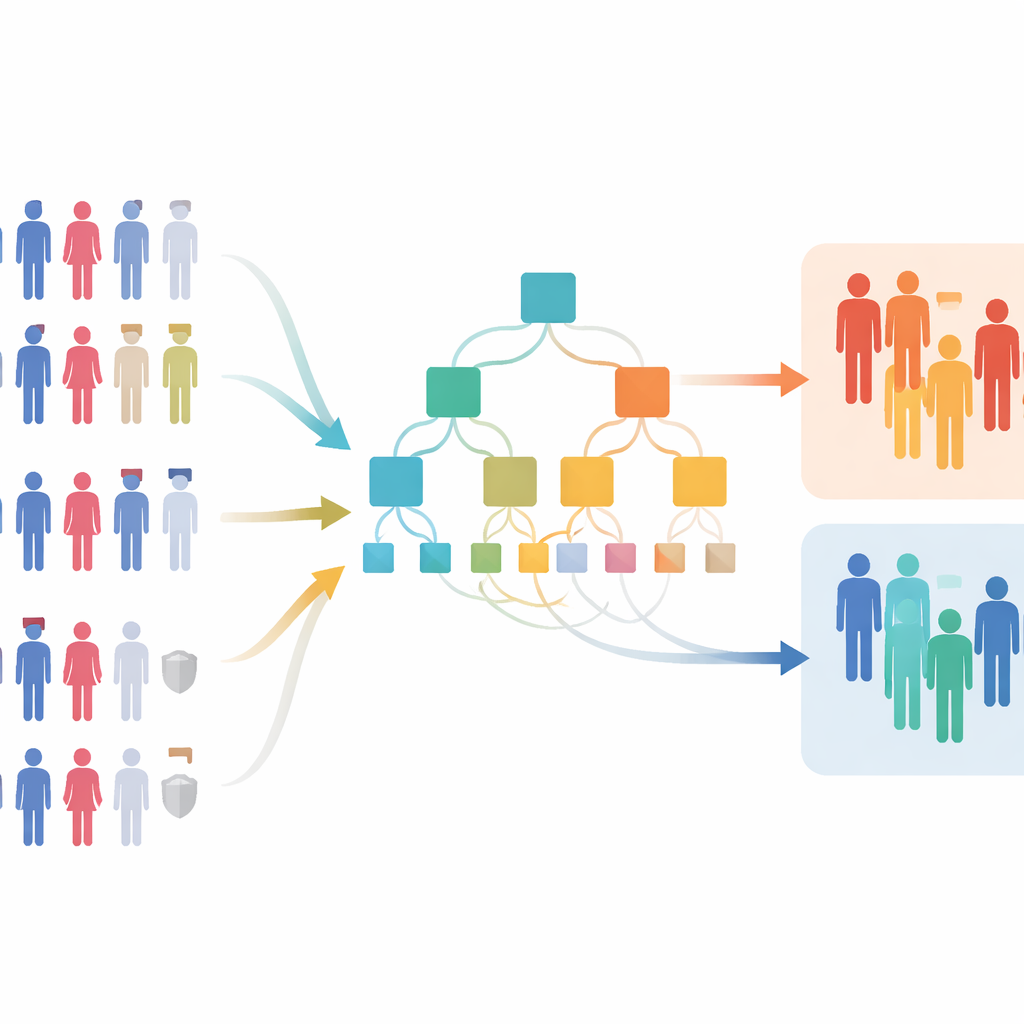
What this means for everyday life
For non‑specialists, the core message is that early deaths from heart and stroke in Bogotá are not simply a matter of bad luck or biology. They reflect how education, income‑linked insurance, and timely access to care shape people’s chances of surviving into old age. While the computer models are not perfect—they correctly classify cases only moderately well—they already point clearly to the importance of social conditions. The authors argue that health officials can use such models as decision‑support tools: to monitor trends, spot high‑risk groups, and design prevention efforts that combine better schooling, fairer health coverage, and faster emergency care. In short, lowering early heart and stroke deaths will require not only good medicine, but also greater social fairness.
Citation: Malagón Sintura, Y.C., Arias-Ortiz, W.A. Premature mortality from cardio-cerebrovascular diseases in Bogotá an analytical machine learning approach. Sci Rep 16, 10307 (2026). https://doi.org/10.1038/s41598-026-39453-z
Keywords: premature cardiovascular mortality, Bogotá public health, machine learning in epidemiology, social determinants of health, heart disease and stroke