Clear Sky Science · en
CODE beyond FAIR: a roadmap for reusable research software
Why the Invisible Code Behind Science Matters
Behind almost every modern scientific breakthrough, from mapping galaxies to decoding DNA, lies software quietly doing the heavy lifting. Yet this code is often treated as an afterthought: hidden, fragile, and hard for others to reuse or check. This article argues that if we want trustworthy, reproducible science, we must treat research software as a core scientific product, not a disposable tool. The authors propose a practical roadmap, called CODE, to help researchers and institutions turn today’s one‑off scripts into reliable, shareable building blocks for tomorrow’s discoveries. 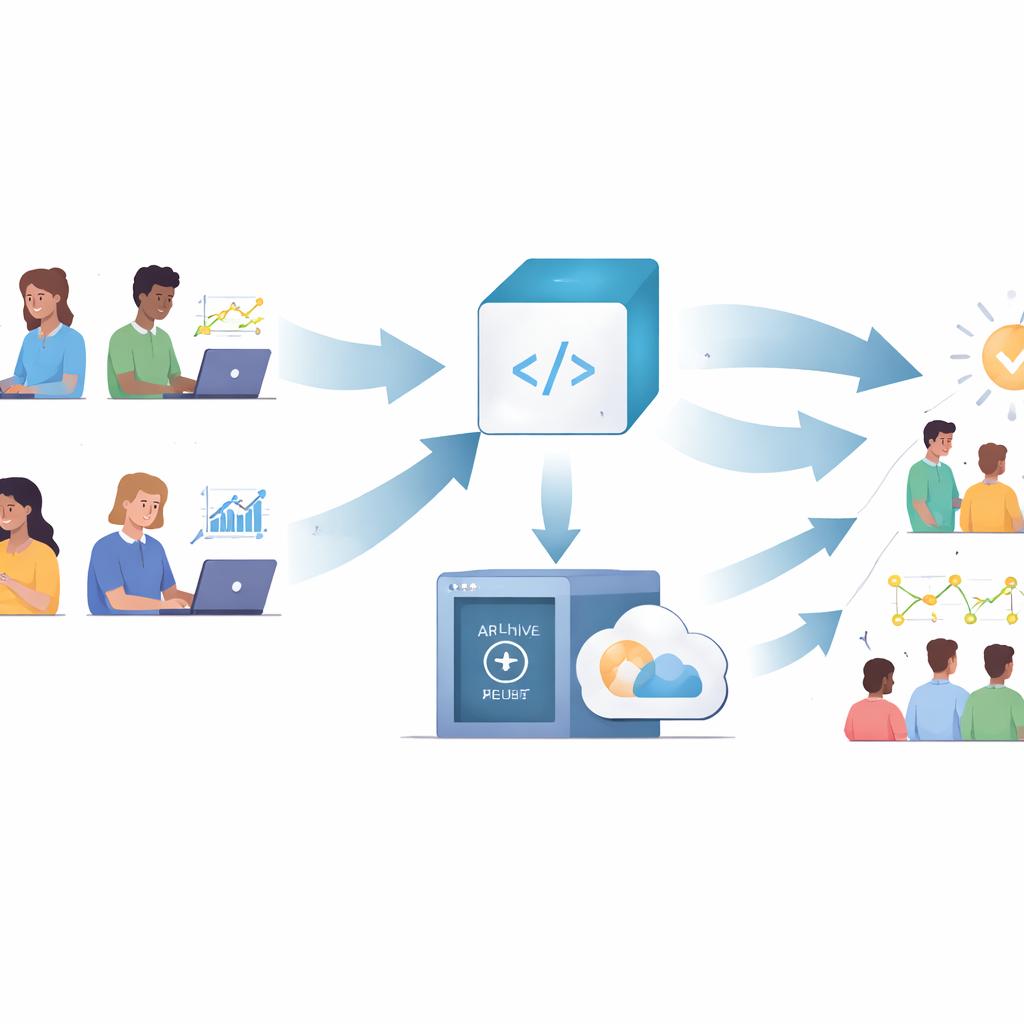
How Science Came to Depend on Software
In just a few decades, software has become central to nearly every research field. Studies show that close to half of scientific papers now mention software, whether it is used to analyse data, control instruments, simulate complex systems, or even serve as the main research output. Unlike a finished paper or a static dataset, however, software is a “living” object: it changes as bugs are fixed, features are added, and new people contribute. Multiple versions of the same program coexist, and each one depends on a delicate surrounding environment of operating systems and libraries. A tiny change in that environment can alter results—or break the code entirely. This living, interdependent nature means that traditional data‑sharing principles, designed for static files, are not enough to make software truly reusable.
From FAIR to CODE: A New Way to Think About Research Tools
Over the past decade, the FAIR principles—Findable, Accessible, Interoperable, Reusable—have transformed how scientists handle data. Attempts to extend FAIR to software have made important progress, but the authors argue that software needs more tailored guidance. Building on decades of experience from free and open‑source software communities, they propose a gradual roadmap organized around four pillars that conveniently spell CODE: Open, Document, Execute, Collaborate. Rather than demanding perfect practice from the start, the roadmap is tiered so that researchers with little formal training in software engineering can adopt better habits step by step, while more advanced teams can aim for higher levels of robustness and openness.
Making Code Open, Understandable, and Runnable
Under the “Open” pillar, the authors urge scientists to stop emailing zip files on request and instead publish their source code on public development platforms that track history and support collaboration. They stress the importance of long‑term archiving in dedicated infrastructures, such as global source‑code archives, so that projects remain available even if a hosting site shuts down. Clear open‑source licenses and explicit authorship are essential so others know what they are legally allowed to do and whom to credit. The “Document” pillar focuses on making software understandable: using meaningful names, adding comments that explain reasoning rather than restating code, providing simple examples and tutorials, and writing separate reference documentation for the parts of the program that users actually interact with.
Ensuring Results Can Be Reproduced and Shared
The “Execute” pillar tackles a common frustration: code that technically exists but cannot be made to run elsewhere. The roadmap urges authors to list the hardware and software their program depends on, offer reusable computing environments when possible (through containers or specialized package managers), supply test suites so users can check whether the software behaves correctly on their own machines, and share real, executable use cases that mirror typical analyses. The final pillar, “Collaborate,” encourages open, ongoing engagement: responding to bug reports and feature requests, explaining whether and how outside contributions are welcomed, being honest about limits on support, and, when appropriate, building a community through tutorials, workshops, and mentoring. Together, these steps transform isolated research code into a shared tool that many can trust and improve.
Everyone’s Role in Supporting Better Research Software
The article makes clear that individual researchers cannot fix the software problem alone. Institutions should invest in dedicated research software engineers, recognize software in hiring and promotion, and provide well‑managed code hosting platforms. Funders are urged to support the long‑term maintenance of widely used tools, not just the creation of new ones, and to encourage open‑source licensing as a default to help address the reproducibility crisis. Libraries can extend their traditional role by helping archive software, manage identifiers, and curate catalogs that make important programs easy to find. Publishers, finally, are called on to require that the code behind published results is actually shared, linked to the article, and increasingly subject to review, just like the paper itself. 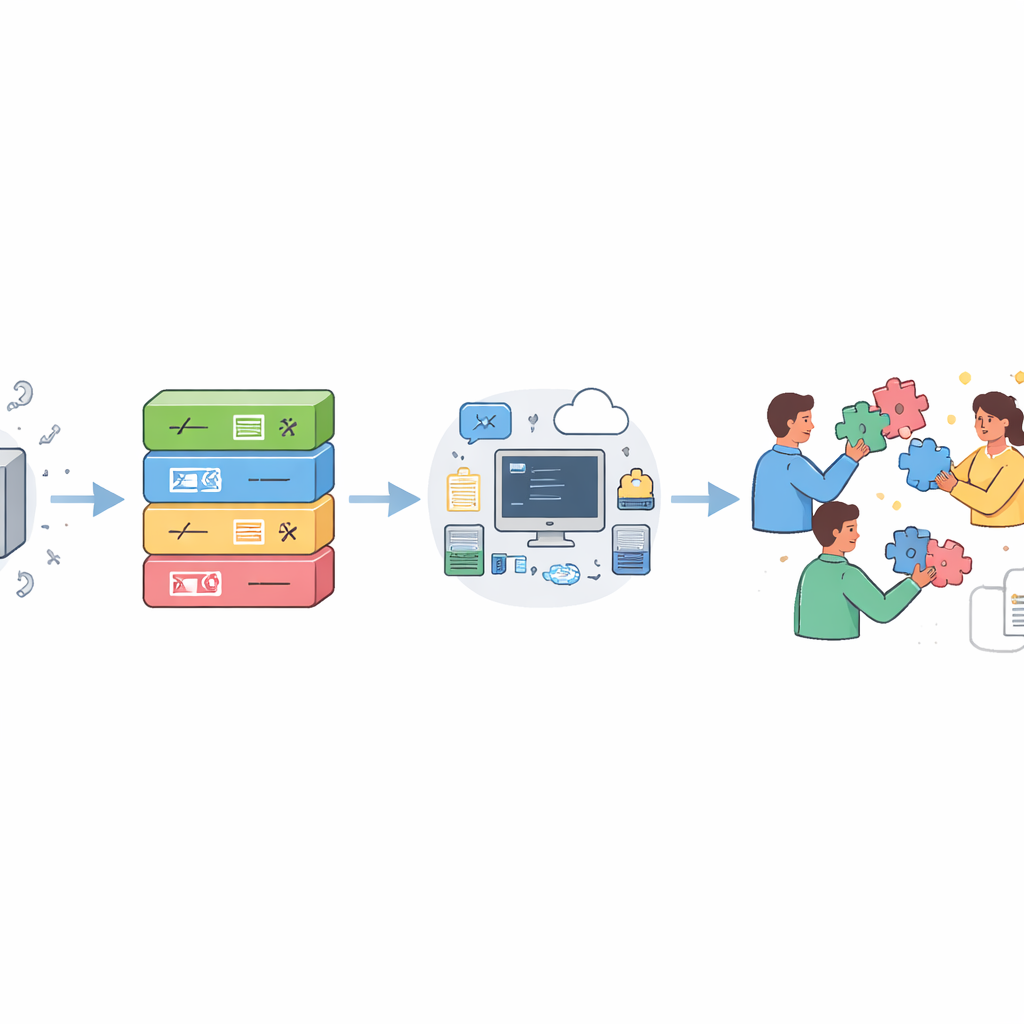
What This Roadmap Means for the Future of Science
In plain terms, the authors’ conclusion is that good science now depends on good software, and good software does not happen by accident. Their CODE roadmap offers a realistic path from today’s patchwork of hidden scripts toward an ecosystem where research code is open, well explained, runnable elsewhere, and improved by many hands. By following these steps—and by having universities, funders, libraries, and journals all play their part—science can move closer to a world where results are not only impressive when first announced, but also verifiable, reusable, and durable for years to come.
Citation: Di Cosmo, R., Granger, S., Hinsen, K. et al. CODE beyond FAIR: a roadmap for reusable research software. Sci Data 13, 514 (2026). https://doi.org/10.1038/s41597-026-06705-6
Keywords: research software, open source, reproducibility, software sustainability, open science