Clear Sky Science · en
Childhood asthma in Uganda: experiences of healthcare providers and caregivers in diagnosis and management. A FRESH AIR qualitative study
Why this matters for parents
For many families in Uganda and similar settings, a child’s cough or noisy breathing is a frightening and all-too-familiar experience. This study looks closely at what happens when young children with ongoing breathing problems are brought for care, and why so many of them fail to get the right help. By listening to parents, health workers, herbalists, and local drug sellers, the researchers uncover how asthma in very young children is often missed, and what that means for children’s health, family finances, and the wider community.
Children who struggle to breathe
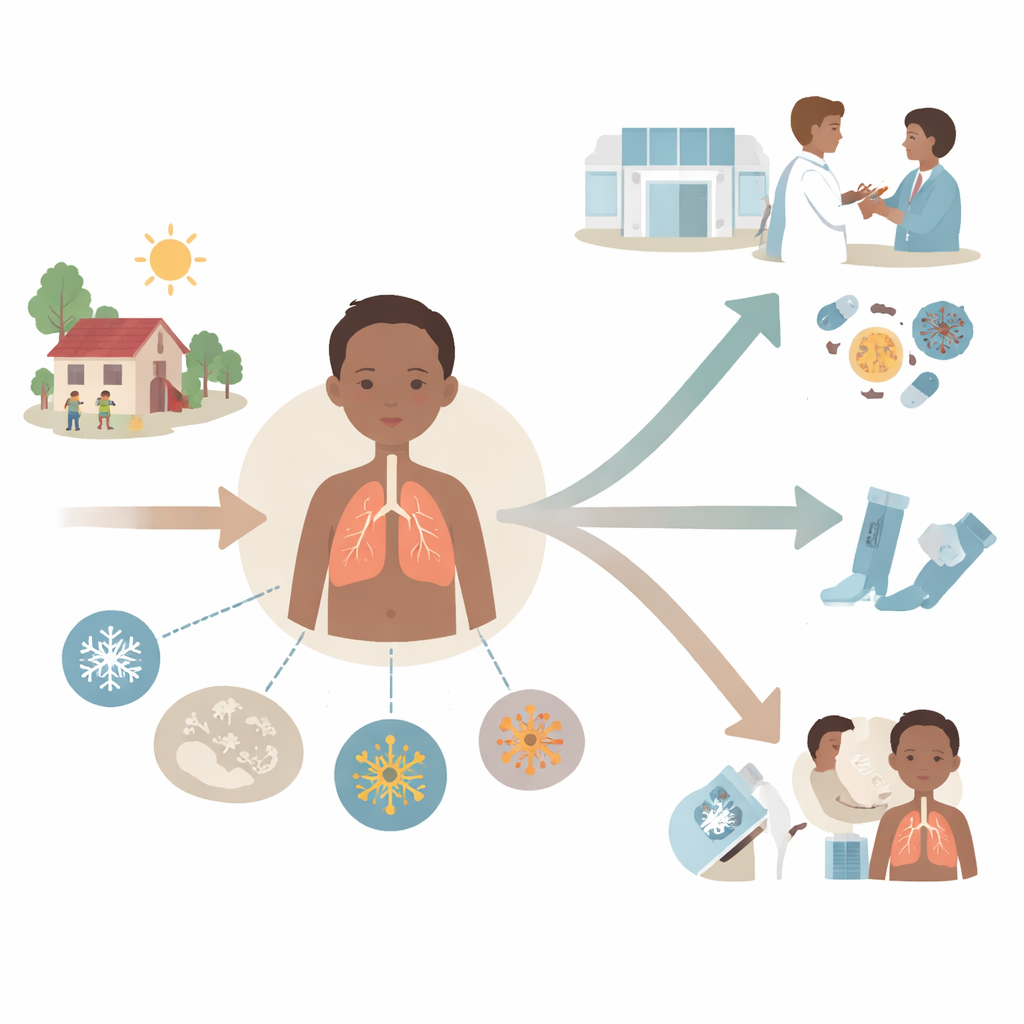
The caregivers in this study all had children under five who suffered repeated bouts of coughing, chest noise, and difficulty breathing, often starting in infancy. These attacks tended to last more than two weeks, got worse at night, and were frequently set off by colds or cold weather. Parents described sounds in the chest “like a sick chick or sleeping cat,” and some noticed that their children reacted badly to dust or chilly air, or that other family members had similar problems. Health workers and herbalists confirmed that they regularly saw young children with these recurring patterns of respiratory distress. These descriptions closely match what medical guidelines recognize as typical asthma symptoms in young children.
Names that miss the real illness
Despite these clear patterns, most children were not told they had asthma. Instead, across repeated clinic visits they were variously labeled as having pneumonia, bronchitis, tuberculosis, malaria, or simply “cough.” Some health workers avoided the word asthma altogether in children under five, preferring terms like “reactive airways” or “allergic cough.” Caregivers often received different diagnoses from different clinicians, or no firm diagnosis at all, leaving them confused and frustrated. Herbalists, in contrast, were more willing to call the condition asthma based on the symptoms they observed, while drug shop attendants usually assumed pneumonia. This confusion over names meant that the underlying pattern of chronic airway disease remained largely unrecognized.
Treatment that doesn’t fit the problem
The mismatch between symptoms and diagnosis led directly to mismatched treatment. Children with long-standing or recurrent breathing problems were repeatedly given antibiotics, cough syrups, and sometimes malaria medications, even when there were no strong signs of infection. Health workers often “treated for pneumonia first” and considered asthma medicines only if the child did not improve. Inhalers and other inhaled medicines, which are central to modern asthma care, were rarely available in public facilities, and some clinicians believed they were unsafe or unnecessary for young children. Parents, unfamiliar and uneasy with inhalers, sometimes refused them or could not afford to buy them from private pharmacies. As a result, many children cycled through the same ineffective drugs without lasting relief.
Strains on families and the health system
The consequences were far-reaching. Parents made frequent, time-consuming trips to health facilities, only to leave without clear answers or effective medicines. When clinics were out of stock, they resorted to buying drugs directly from local shops, often repeating old prescriptions. This pattern burdened already poor households with extra costs and encouraged self-medication. Health workers themselves were discouraged by medicine shortages, brief consultations, overcrowded clinics, and the lack of tools such as inhaled bronchodilators or nebulizers that would both treat symptoms and help confirm an asthma diagnosis. Frustrated caregivers often turned to herbalists, who offered reassurance, herbal mixtures, and dietary advice; however, the actual contents and effects of these remedies remain largely unknown.
What needs to change
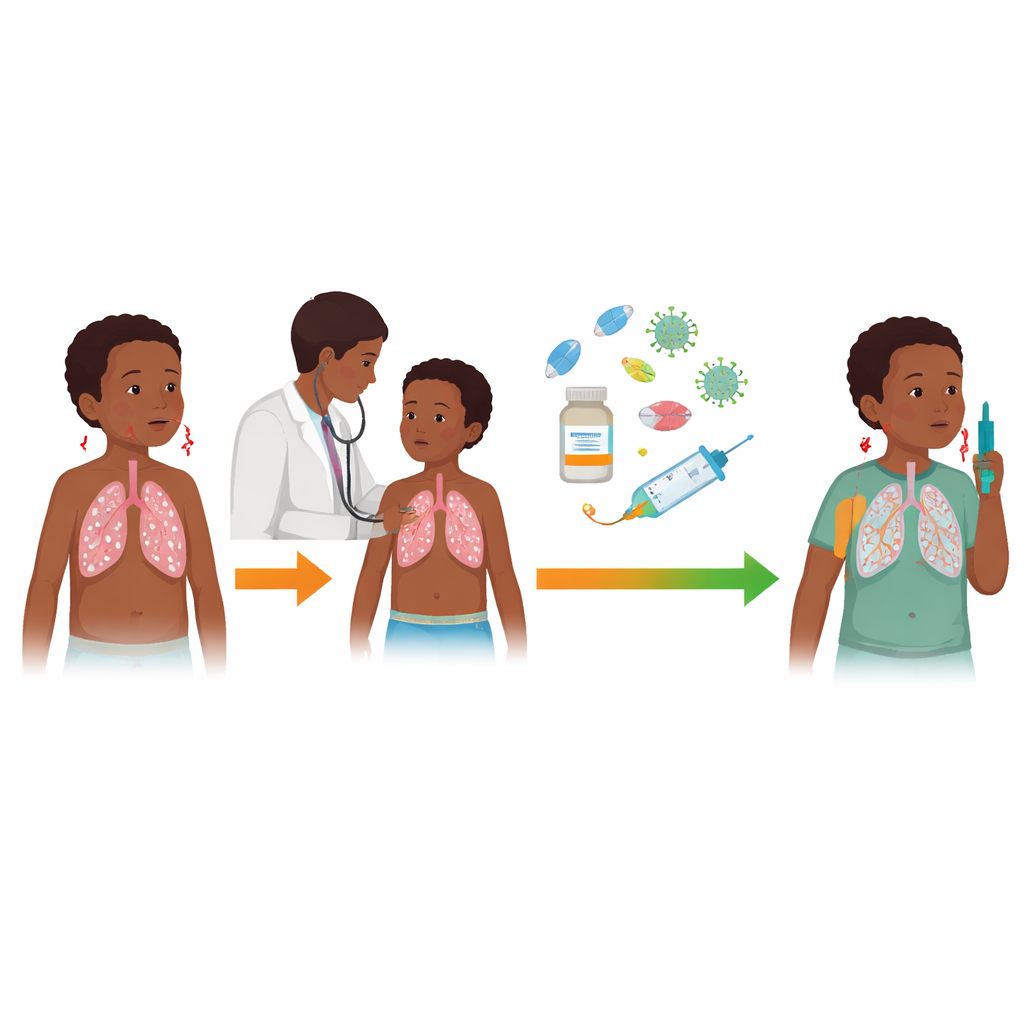
The study concludes that under-diagnosis of asthma in young children, and its frequent mislabeling as pneumonia or malaria, leads to needless suffering, excessive use of antibiotics and antimalarials, and high costs for families and the health system. The authors call for a comprehensive response: updating textbooks and clinical guidelines, improving training so health workers recognize childhood asthma earlier, ensuring reliable access to inhaled asthma medicines and delivery devices, and organizing care so that children with chronic breathing problems are followed over time rather than treated as one-off infections. In the long run, such changes could help many children in Uganda and similar settings breathe more easily, avoid unnecessary drugs, and grow up healthier.
Citation: Nantanda, R., Najjingo, I., Kjaergaard, J. et al. Childhood asthma in Uganda: experiences of healthcare providers and caregivers in diagnosis and management. A FRESH AIR qualitative study. npj Prim. Care Respir. Med. 36, 19 (2026). https://doi.org/10.1038/s41533-026-00493-7
Keywords: childhood asthma, Uganda, misdiagnosis, primary care, antibiotic overuse