Clear Sky Science · en
Intrinsic capacity and stroke risk in a multiple cohort study
Why staying sharp and strong matters for stroke
As people live longer, stroke has become one of the most feared threats to independence in later life. Doctors usually look at single medical problems—like high blood pressure or diabetes—when judging who is at risk. This study asks a different question: can the overall "capacity" of our mind and body, taken together, forecast who is more likely to suffer a stroke, and who might stay well into very old age?
A whole-person score for healthy aging
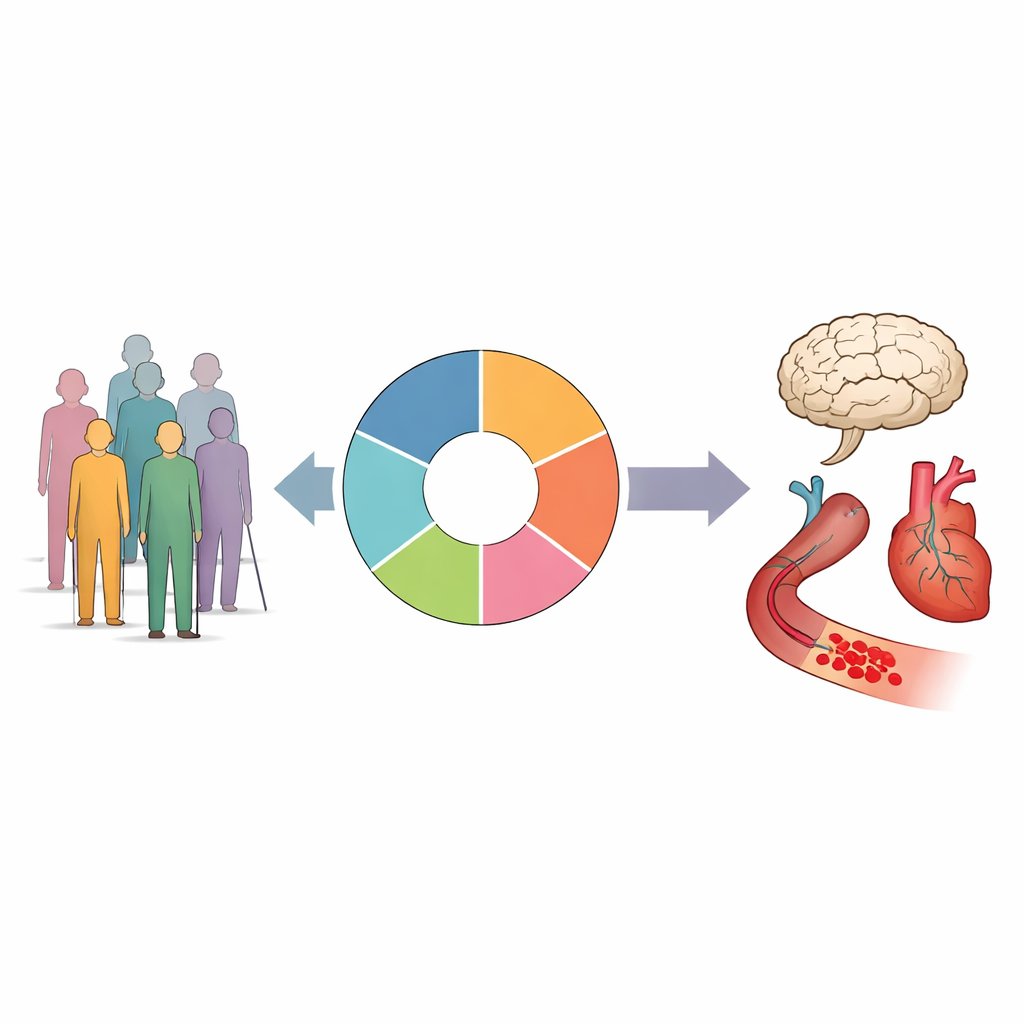
The World Health Organization has proposed the idea of "intrinsic capacity"—a way to capture the total of a person’s physical and mental abilities, rather than focusing only on diseases. It bundles five areas of function: how well we think and remember, how we feel emotionally, how well we see and hear, how strong and well-nourished our bodies are, and how easily we move through daily life. The aim is to shift attention from treating illness after it strikes to preserving the abilities that let older adults live independently and enjoy a good quality of life.
Tracking hundreds of thousands of older adults
To see whether intrinsic capacity predicts stroke, the researchers pooled data from four long-running studies in the United States, Europe, England, and China. Together, these surveys followed 184,219 adults aged 40 and older for up to 28 years, totaling more than 1.2 million person-years of observation. None of these participants had suffered a stroke at the start. Each person’s intrinsic capacity was scored using simple tests and questionnaires that fit the World Health Organization’s framework, while information on smoking, exercise, income, and other health conditions was also recorded.
Higher capacity, lower stroke risk
During follow-up, 15,125 people had a first stroke. When the team compared people by their intrinsic capacity score, a striking pattern emerged. Those in the highest quarter of scores had about one-third lower stroke risk than those in the lowest quarter, even after accounting for age, sex, education, income, lifestyle, and major illnesses like hypertension and diabetes. Each of the five building blocks—thinking ability, mood, movement, vitality, and senses—showed the same trend: better function in that area went hand in hand with fewer strokes. The link was especially strong among adults aged 80 and above, a group in which stroke rates are rising fastest worldwide.
Changes over time tell an even clearer story
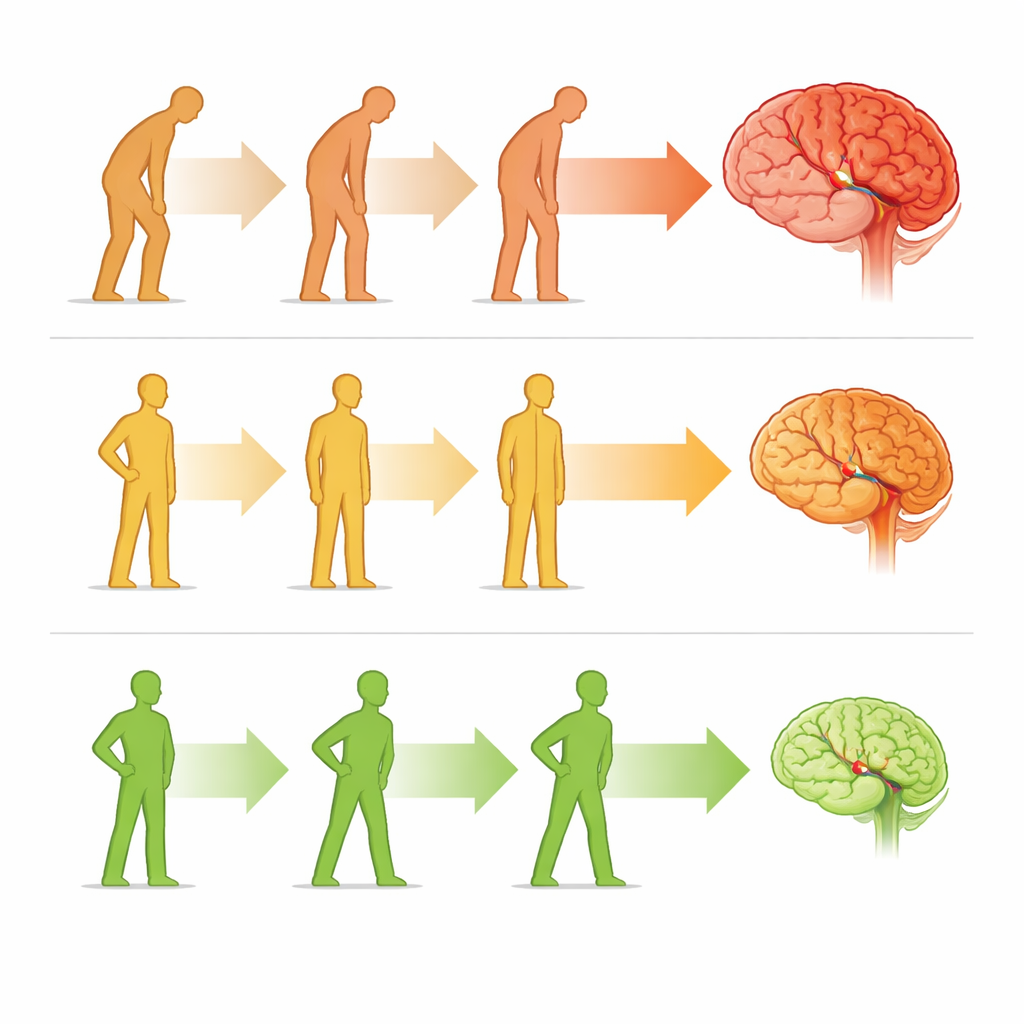
Because aging is a moving target, the researchers also looked at how people’s capacity changed over three points in time: baseline, midpoint, and the end of follow-up. Older adults who stayed in a low-capacity state had more than double the stroke risk of those who remained at a moderate level. By contrast, people who consistently maintained high capacity had a noticeably lower risk. Perhaps most encouraging, individuals who started out with low capacity but improved over time had a dramatically smaller chance of stroke than those who stayed low, suggesting that decline is not destiny and that gains in strength, mood, or function may translate into real protection.
What this means for prevention and care
These findings suggest that stroke is not only about isolated risk factors, but also about the overall resilience of the aging body and brain. Rather than waiting for frailty or illness to become obvious, health systems could routinely track intrinsic capacity and intervene earlier—with exercise, nutrition, social engagement, and support for vision, hearing, mood, and thinking. Especially for people in their eighties and beyond, protecting and boosting this whole-person capacity may be one of the most promising ways to prevent the first stroke, reduce disability, and ease the growing burden on families and health services.
Citation: Li, Y., Chen, Y., Chen, Y. et al. Intrinsic capacity and stroke risk in a multiple cohort study. Nat Commun 17, 3808 (2026). https://doi.org/10.1038/s41467-026-70524-x
Keywords: intrinsic capacity, stroke prevention, healthy aging, frailty, cognitive and physical function