Clear Sky Science · en
Tumor metabolic adaptation induced by L-asparaginase reveals a vulnerability to PARP1/2 inhibitor in B-cell lymphomas
Turning Cancer’s Fuel Shortage Into a New Weakness
Cancer doctors have long used an enzyme drug called L-asparaginase to starve certain blood cancers of a key nutrient and force them to die. Yet many tumors eventually learn to live with this imposed “diet” and grow back, leaving patients with fewer treatment options. This study asks a simple but important question: what exactly do cancer cells do to escape this starvation, and can that very escape route be turned against them using existing medicines?
How a Starvation Drug Fights Blood Cancers
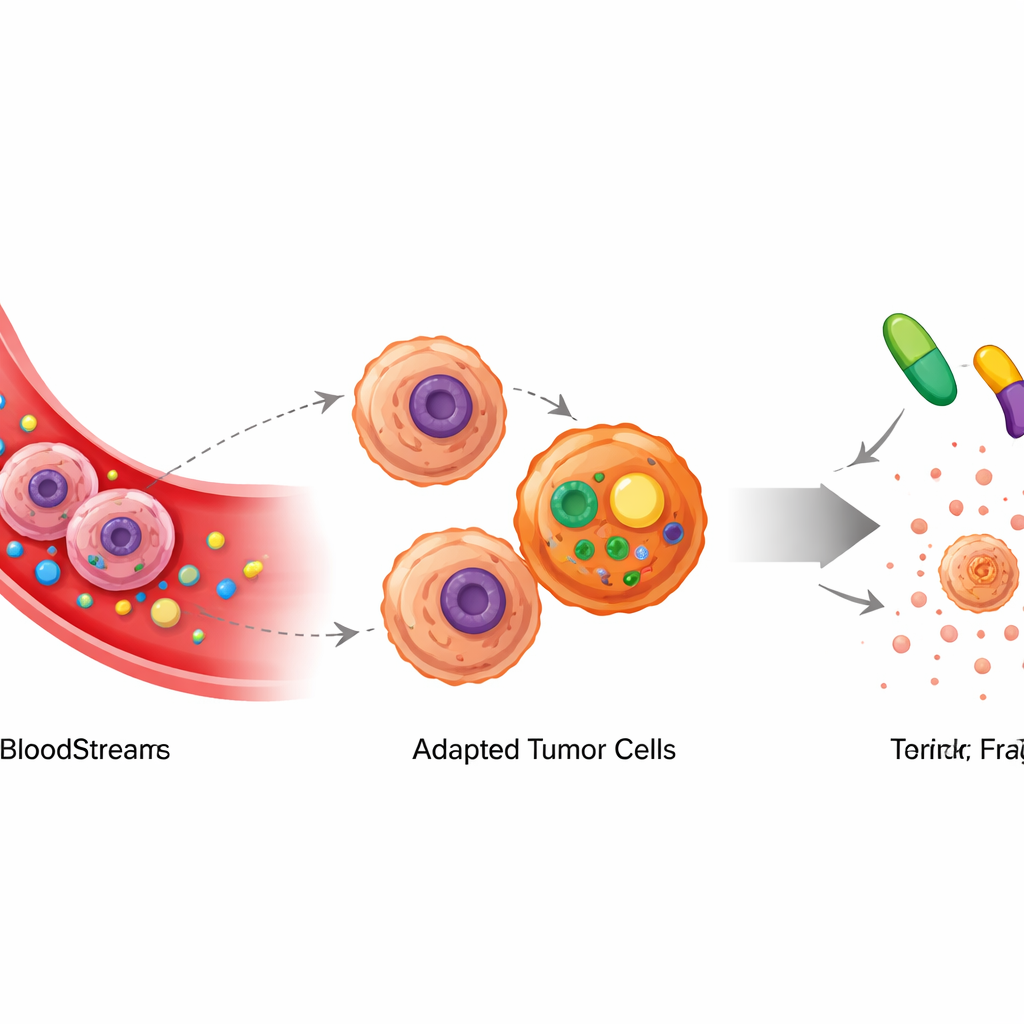
L-asparaginase works by clearing the amino acid asparagine from the bloodstream. Some leukemia and lymphoma cells cannot make enough asparagine on their own, so when the supply in blood runs low, they falter and die. In mouse models of B-cell lymphomas, the researchers confirmed that this drug can strongly delay tumor growth at first. Even with ongoing treatment, however, tumors eventually reappeared. Importantly, the drug was still active in the blood, meaning the cancer had not simply “waited out” the treatment—it had adapted in a more subtle way.
Metabolic Detour: Making New Building Blocks
To uncover how the tumors adapted, the team carefully measured hundreds of small molecules inside cancer cells taken from treated and untreated mice. They observed a striking rise in two related amino acids, serine and glycine, in tumors exposed to L-asparaginase. Using labeled nutrients as tracers, they showed that cancer cells were not just grabbing more of these amino acids from their surroundings—they were rebuilding their internal chemistry to manufacture them from glucose. A key enzyme in this detour, called PHGDH, became more active and was essential for the cells’ renewed growth under asparagine-poor conditions.
Fighting Stress and DNA Damage From Within
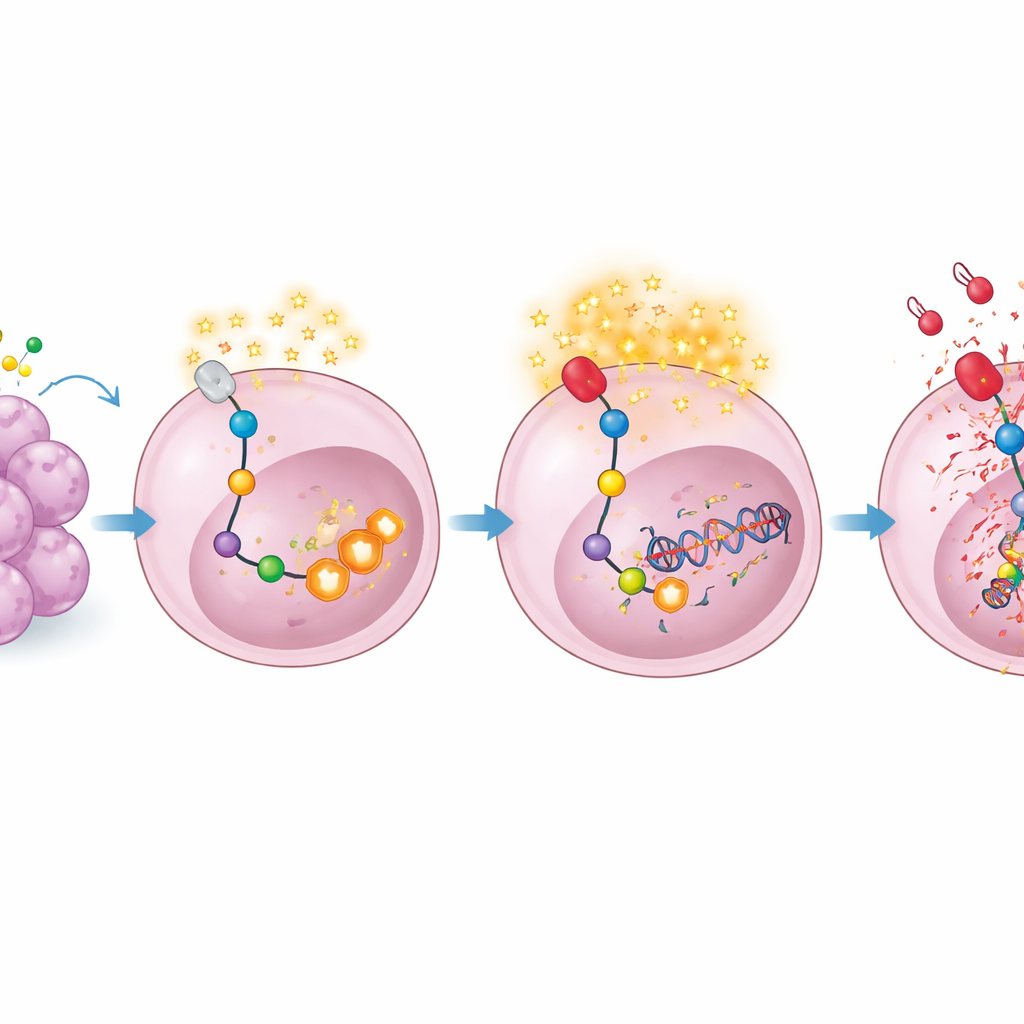
Why does this boost in serine production matter so much? The study shows that asparagine starvation creates a surge of reactive oxygen species—chemically aggressive by-products that can damage DNA. Serine and glycine are crucial ingredients for making glutathione, one of the cell’s main antioxidants. By ramping up PHGDH-driven serine production, lymphoma cells strengthened their antioxidant shield, kept oxidative stress in check, and limited DNA damage. When PHGDH was blocked, either with a specialized inhibitor or by silencing its gene, cancer cells accumulated more oxidative stress, suffered greater DNA injury, and were far less able to recover during L-asparaginase treatment in both cell cultures and mice.
Exposed Reliance on DNA Repair
The DNA damage from asparagine starvation turned out to be more than a side effect—it exposed a new vulnerability. Cells under this stress activated a repair program marked by increased activity of enzymes called PARP1 and PARP2, which help fix broken DNA strands. The authors reasoned that if tumor cells had become heavily dependent on this repair route to survive L-asparaginase–induced damage, then blocking PARP could tip them over the edge. They tested the approved PARP-blocking drug Olaparib, commonly used in certain breast and ovarian cancers, together with L-asparaginase. In lymphoma cells and in mice, the combination triggered far more tumor cell death and delayed disease much longer than either drug alone. Notably, the same drug pairing also impaired growth of a colorectal cancer model that did not have known DNA repair defects, suggesting that this approach may work beyond classic PARP-sensitive tumors.
Opening the Door to Smarter Combinations
This work reveals that when L-asparaginase forces tumors into a metabolic corner, they respond by rewiring their chemistry to calm oxidative stress and repair the resulting DNA damage. That quick-footed adaptation depends on PHGDH-driven serine production and on PARP-mediated DNA repair. By adding a PARP inhibitor such as Olaparib, doctors may be able to block this lifeline and turn a temporary slowdown of tumor growth into a more durable response. In practical terms, the study lays out a clear, biologically grounded case for testing L-asparaginase and PARP inhibitors together in aggressive B-cell lymphomas—and possibly in other cancers—using drugs that are already in clinical use.
Citation: Aussel, A., Nemazanyy, I., Vandenberghe, A. et al. Tumor metabolic adaptation induced by L-asparaginase reveals a vulnerability to PARP1/2 inhibitor in B-cell lymphomas. Nat Commun 17, 3305 (2026). https://doi.org/10.1038/s41467-026-70066-2
Keywords: L-asparaginase, B-cell lymphoma, tumor metabolism, PARP inhibitor, serine biosynthesis