Clear Sky Science · en
CRAGE-RB-PI-seq reveals transcriptional dynamics of plant-associated bacteria during root colonization
Why the hidden life on roots matters
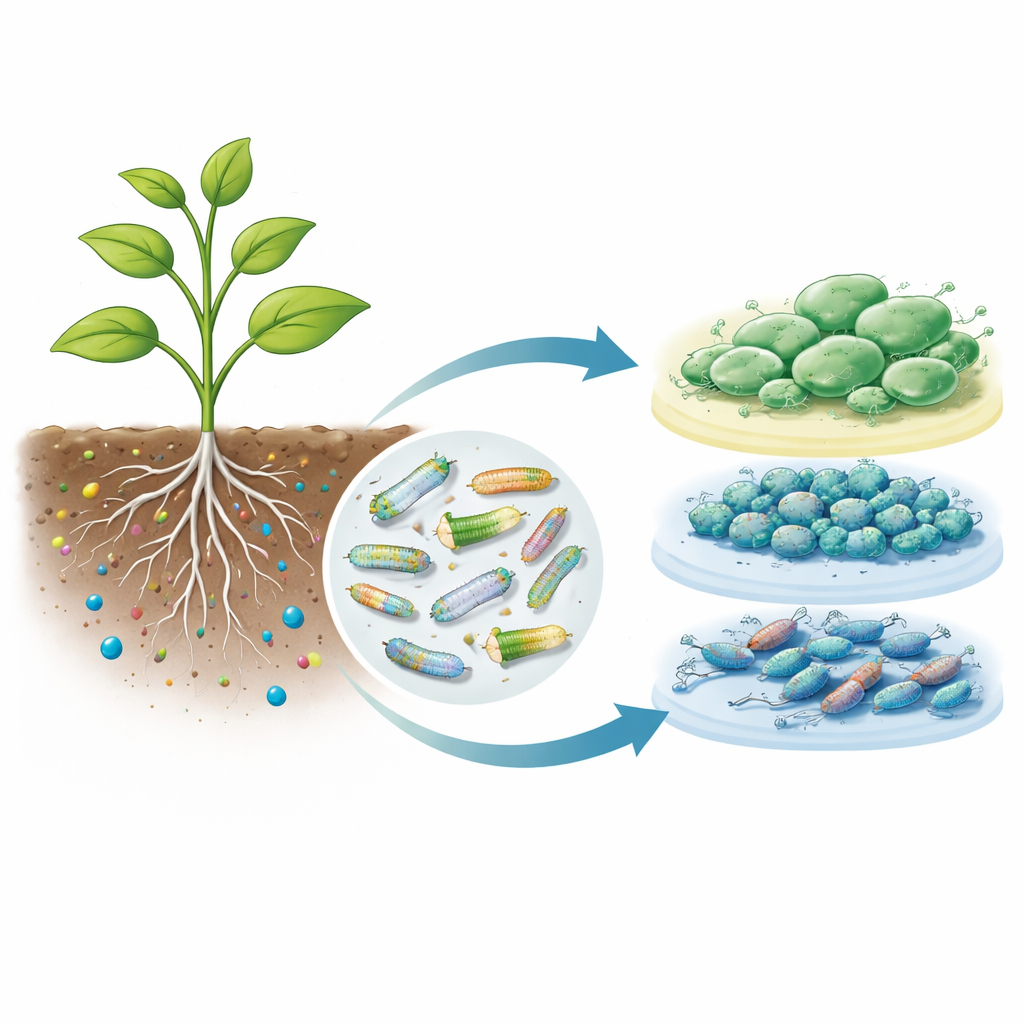
Every plant root is surrounded by a bustling underground city of microbes that help plants grow, fend off disease, or sometimes cause it. Yet, despite powerful DNA tools that tell us who is there, we still know surprisingly little about what these bacteria are actually doing while they live on roots. This study introduces a new way to “listen in” on thousands of bacterial genes at once as friendly microbes colonize plant roots, revealing how they adapt, cooperate with the plant, and dodge its defenses.
Watching bacterial switches turn on and off
Genes in bacteria are controlled by short DNA regions called promoters, which act like on–off switches. Measuring the activity of these switches inside plants has been very difficult because plant RNA drowns out the tiny amount of bacterial RNA. The authors solved this by building a special library of promoters from a well-known beneficial root bacterium, Pseudomonas simiae WCS417, and tagging each promoter with a unique DNA barcode. They then inserted these barcoded switches into the bacterial chromosome using a versatile genetic engineering platform, letting them track the activity of thousands of gene switches by simply reading out their barcodes.
A new way to read bacterial behavior on roots
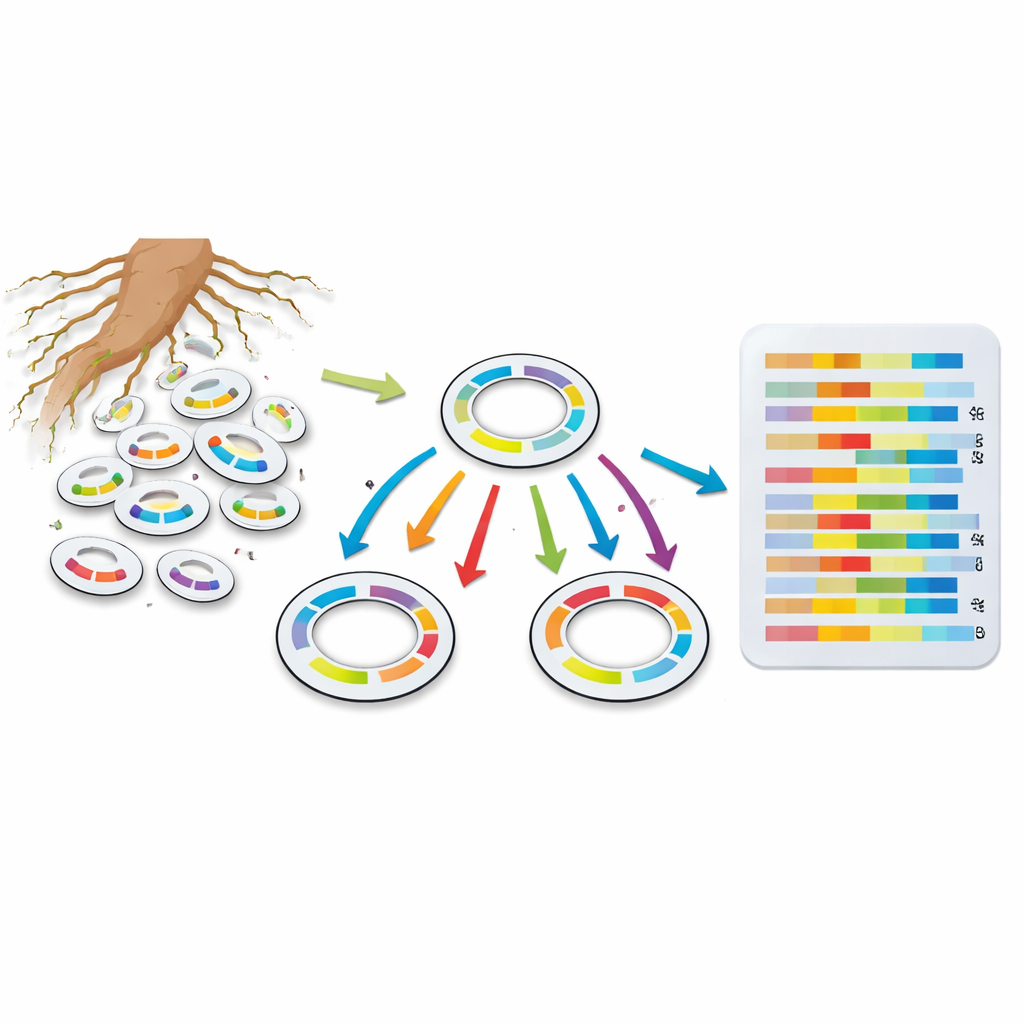
The new workflow, called CRAGE-RB-PI-seq, works in two stages. First, short DNA segments just upstream of more than 5,000 bacterial genes were synthesized and grouped into libraries, each segment linked to a random barcode. These libraries were integrated into a safe spot in the bacterial genome so the cells remained healthy. When the engineered bacteria were grown in different lab media, the barcode readouts closely matched traditional RNA sequencing, confirming that the barcodes faithfully reflected promoter activity. This step showed that the method can accurately detect which bacterial switches respond to changes in nutrients or stress.
Following colonization from first contact to long-term stay
The researchers then moved from flasks to living plants, letting the engineered bacteria colonize the roots of young Arabidopsis seedlings. By sampling roots minutes, hours, and days after inoculation, they tracked how promoter activity changed over time. Early on, genes linked to movement and sensing chemicals were strongly activated, suggesting bacteria quickly swim toward and explore the root surface. Within a few hours, switches controlling growth and nutrient use turned on as bacteria began to feed on root exudates. Later, other sets of switches became dominant, including those involved in building protective biofilms and managing stress, marking a shift from rapid growth to long-term residence.
How friendly bacteria sidestep plant defenses
The time-resolved data also highlighted a handful of genes that help the bacterium live peacefully on roots by taming plant defenses. Some promoters drove genes that produce molecules known to lower local acidity and soften plant immune responses. Others switched on much later and were tied to protection from reactive oxygen species and enzymes that can chew up bacterial cell walls. By studying mutants unable to make certain proteins, such as a xanthine dehydrogenase that helps cope with oxidative bursts and a lysozyme inhibitor that shields cells from wall-degrading enzymes, the team showed that these late-acting defenses are crucial for successful root colonization.
Bringing lab precision to real-world soils
To see whether this approach works outside idealized agar plates, the team repeated their experiments in a clay-based, soil-like setup. Even though bacterial RNA was scarcer and conditions were harsher, the barcode method still provided meaningful patterns. Compared with the plate system, genes for central metabolism were less active, while stress-response and maintenance functions became more important over time, fitting a picture of bacteria hunkering down for survival in a tougher, nutrient-poor environment.
What this means for future crops
By turning thousands of invisible genetic switches into readable barcodes, this study shows how beneficial root bacteria adjust their lifestyles as they first land on roots, grow, and settle into a long-term partnership. It reveals that early behaviors like movement and feeding quickly give way to traits that disarm plant immunity and withstand stress. Because the method can, in principle, be applied to many different bacterial species, it opens the door to systematically mapping how helpful microbes behave inside real plant environments. Such knowledge could guide the design of microbial inoculants and engineering strategies that make crops more resilient, productive, and less dependent on chemical inputs.
Citation: Honda, T., Yu, S., Mai, D. et al. CRAGE-RB-PI-seq reveals transcriptional dynamics of plant-associated bacteria during root colonization. Nat Commun 17, 3021 (2026). https://doi.org/10.1038/s41467-026-69903-1
Keywords: root microbiome, beneficial bacteria, gene regulation, plant immunity, synthetic biology