Clear Sky Science · en
OSRAQMUL: a digital application for oral surgery risk assessment
Why this matters for your next dental visit
Many people assume that when they sit in a dental chair, every step follows clear, up‑to‑date safety rules. In reality, dentists often have to dig through long, technical documents to check how best to treat patients with heart conditions, blood thinners, or complex medications. This study looks at a new smartphone and tablet tool, the Oral Surgery Risk Assessment (OSRA) app, designed to make those safety checks faster, clearer and easier to follow, with the ultimate aim of reducing avoidable problems during oral surgery.
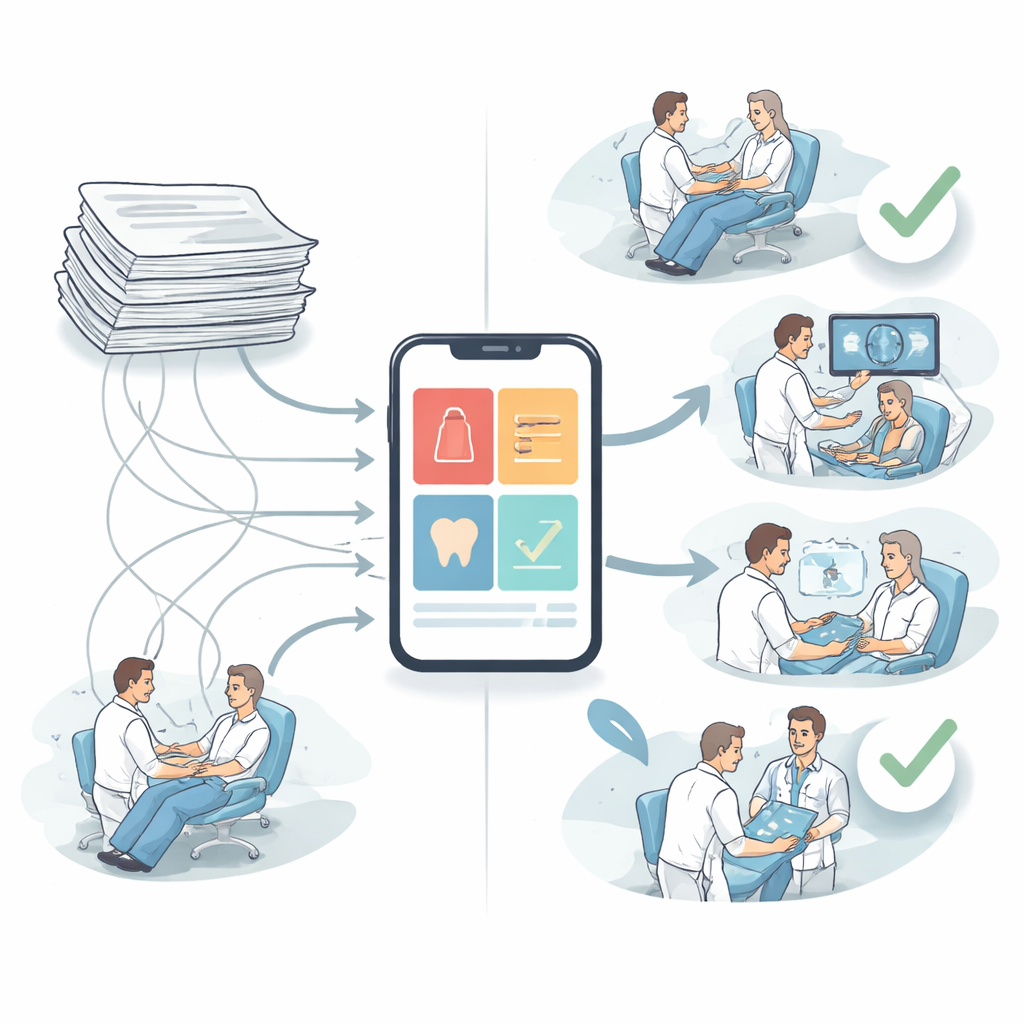
The problem with rulebooks that are hard to use
Across dentistry, there are strong evidence-based guidelines telling clinicians how to prevent infections, avoid dangerous bleeding and manage patients with serious medical conditions. Yet these guidelines are often underused, especially in everyday high‑street practices. Printed or PDF documents can be long, dense and awkward to search during a busy clinic. Studies show that dentists frequently stray from recommended antibiotic use, infection control steps and other safety measures, partly because they lack time, confidence or easy access to the right information at the right moment. As a result, patients may face higher risks than necessary, even though good guidance already exists.
Turning complex rules into a simple app
To tackle this gap, clinicians and engineers at a UK university built the OSRA app as a single, user‑friendly hub for key oral surgery safety checks. The app runs on common mobile devices and groups four high‑risk areas into clear, interactive tools: bleeding risk for patients on blood‑thinning drugs; heart infection risk (infective endocarditis) and whether preventive antibiotics are needed; safety issues around powerful immune‑modifying drugs; and the risk of adrenal crisis in people on long‑term steroids. Instead of hunting through pages of text, a dentist can tap through structured questions that mirror national guidelines and quickly reach suggested actions tailored to a patient’s medical history.
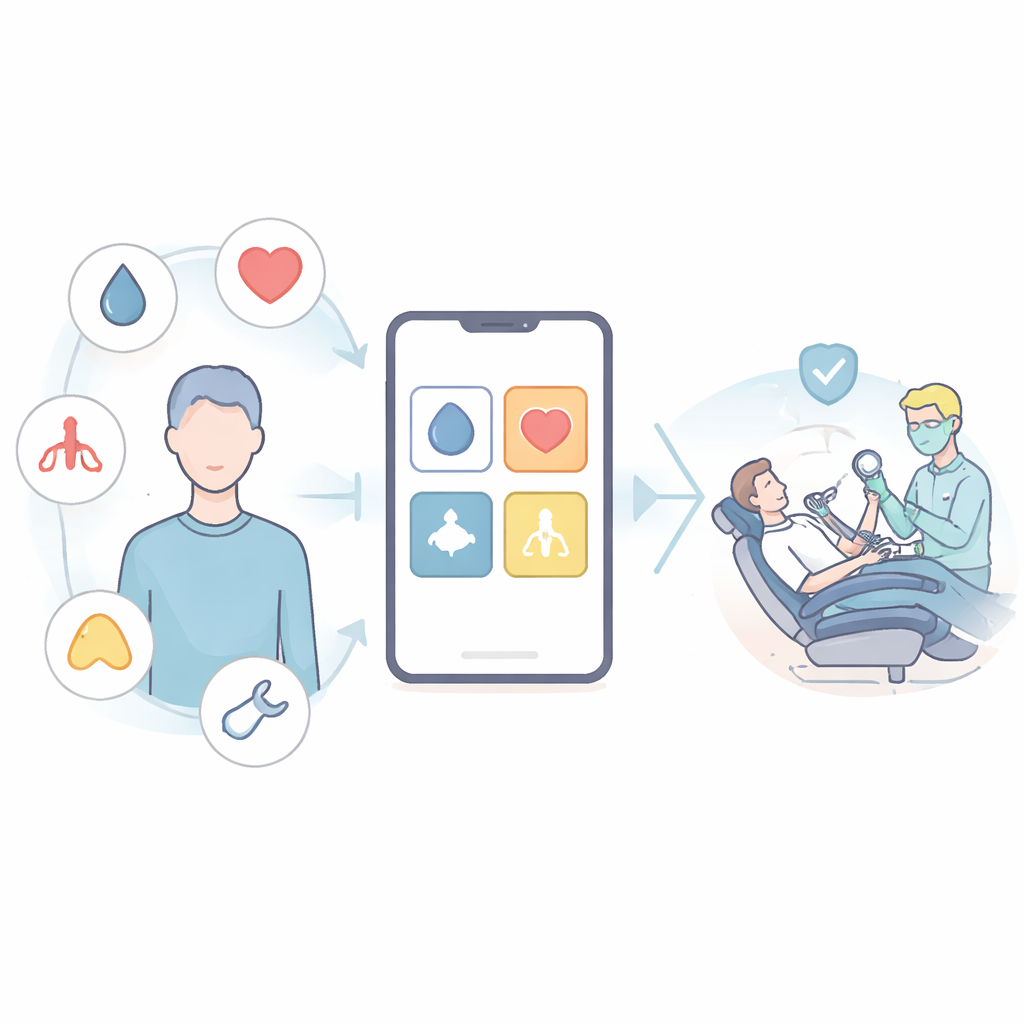
Putting the app to the test with real clinicians
The researchers ran a pilot study with 30 participants from one academic centre, including final‑year dental students, junior dentists and experienced specialists. Everyone worked through four realistic, written case scenarios that matched the app’s four focus areas. Using a randomised crossover design, each person managed some scenarios with the OSRA app and others with standard PDF guidelines, then swapped formats. Afterward, they rated each format on ease of use, trust, impact on their workflow, satisfaction and how strongly they felt it could influence clinical decisions, using standard one‑to‑five rating scales and free‑text comments.
Faster decisions, lighter mental load
Across every area measured, the app came out clearly ahead of the PDF documents. Clinicians said the app was easier to navigate, helped them find answers more quickly, and made complex decisions feel less mentally draining. The biggest improvements were in efficiency and day‑to‑day workflow, and in overall satisfaction and willingness to use the tool in future. Many participants described feeling more confident in their decisions when using the app, because it guided them step‑by‑step through otherwise complicated guidance. At the same time, they asked for improvements such as clearer visual design, the ability to handle patients with several medical problems at once, simple onboarding for new users, and more detailed, patient‑specific advice.
Trusting the tool means seeing the evidence
Users also raised an important point about trust. While they generally trusted the app more than static documents, they wanted clearer windows into the science behind its suggestions. They called for direct links to the underlying national guidelines, visible references showing where recommendations come from, and easy ways to check that advice is current, especially for tricky areas like blood‑thinner management or antibiotic choices. The study’s questionnaire results showed very consistent responses, suggesting that participants’ strong preference for the app reflected a shared, stable view rather than random impressions.
What this means for patients and dentists
For patients, the message is simple: tools like OSRA could help your dentist make safer, more consistent decisions, especially if you have heart disease, take blood thinners or use powerful long‑term medicines. For dentists, this pilot study suggests that wrapping existing guidelines into a clear, interactive app can reduce effort at the chairside and encourage better use of best‑practice advice. Although this was a small, single‑centre study using test cases rather than live patients, it adds to growing evidence that digital guideline tools can support everyday care. With further refinement, greater transparency about evidence sources and broader testing, apps like OSRA may become a routine part of dental practice, quietly working in the background to lower risk and improve safety for people undergoing oral surgery.
Citation: Hassan, H., Al-Tamimi, H., Shado, R. et al. OSRAQMUL: a digital application for oral surgery risk assessment. BDJ Open 12, 43 (2026). https://doi.org/10.1038/s41405-026-00437-w
Keywords: oral surgery, clinical guidelines, decision support app, patient safety, digital dentistry