Clear Sky Science · en
Cross-cultural adaptation and validation of the Arabic version of the Malocclusion Impact Scale for Early Childhood (MIS-EC/Ar)
Why Baby Teeth and Bites Matter
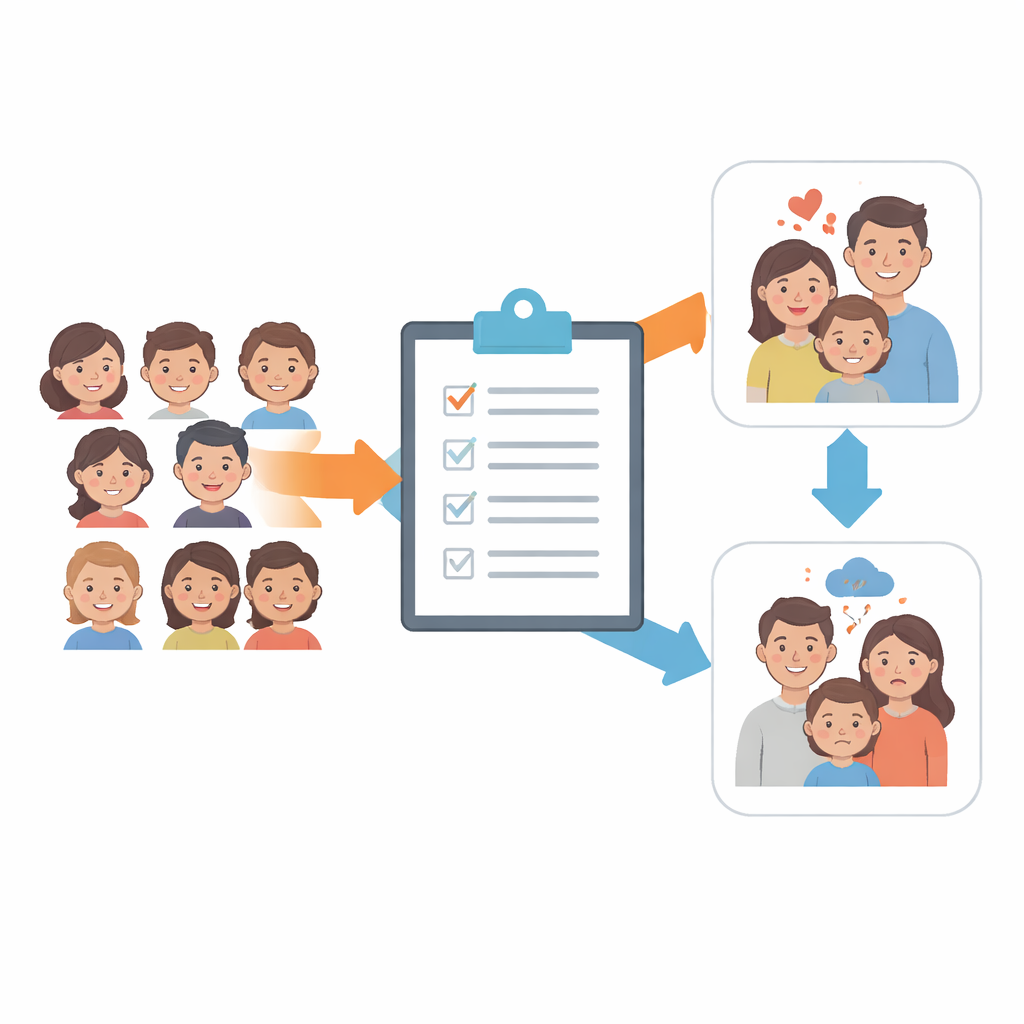
Parents often worry about cavities, but fewer think about how the way their child’s teeth fit together might affect daily life. This study looks at just that question for very young children in Arabic-speaking families. The researchers set out to adapt and test an Arabic version of a short questionnaire that asks caregivers how crooked or misaligned teeth (malocclusion) affect a preschooler’s eating, speaking, confidence, and family life. Having a solid tool in Arabic can help dentists spot children who are struggling and guide decisions about early care.
How Crooked Teeth Can Touch Everyday Life
Malocclusion is more than a cosmetic issue. When the upper and lower teeth do not meet properly, young children may bite or chew awkwardly, struggle with certain sounds, or feel self-conscious about their smile. Earlier research showed that such bite problems are common worldwide, including in Arab countries, but most existing questionnaires for young children focused on tooth decay rather than alignment. The Malocclusion Impact Scale for Early Childhood (MIS-EC) was created in Brazil to fill this gap, asking parents of 3–5 year olds how their child’s bite affects day-to-day life and the family’s stress and finances.
Turning a Tool into Everyday Arabic
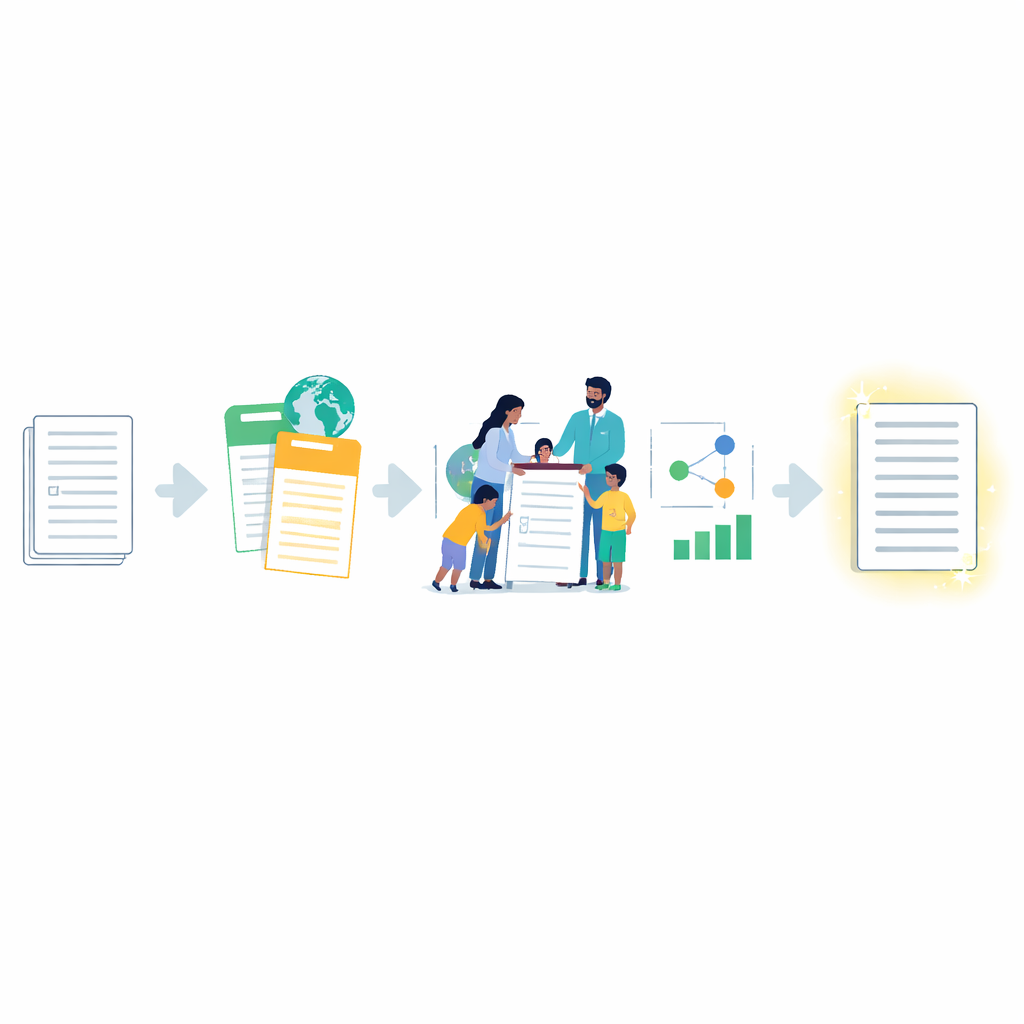
To make this scale useful across the Arabic-speaking world, the team carefully translated and culturally adapted it. Two health professionals who are native Arabic speakers produced separate translations, which were then merged into a single version. This draft was compared with an automatic translation from another language version to catch subtle differences. Independent bilingual translators then translated the Arabic back into English to ensure that the original meaning was preserved. Next, caregivers of preschoolers were interviewed one by one to find any confusing or awkward phrases, leading to small wording tweaks so that all questions felt natural and easy to understand in everyday Arabic.
Testing the Questions with Real Families
The researchers then tried the Arabic MIS-EC (MIS-EC/Ar) with 236 mothers and caregivers visiting a pediatric dental clinic in Cairo. All children were between 3 and 6 years old and did not have toothache or serious medical conditions. Dentists examined each child’s teeth, recording cavities and checking for bite problems such as front teeth that stick out, open bites, or crossbites. Caregivers answered eight questions: six on how the child was affected (for example, eating, speaking, mood, shyness, bullying) and two on how the family was affected (worry, guilt, and money). About 1 in 4 of the children had some type of malocclusion, and almost all caregivers reported that the questions were easy to understand.
How Well Did the Arabic Scale Perform?
To judge whether the Arabic scale was reliable, the team looked at how consistently caregivers answered the questions and whether answers stayed stable when 30 caregivers repeated the survey two weeks later. The results were strong: the questions hung together well as a set and repeated scores were very similar, showing excellent stability over time. Children with bite problems scored clearly higher on the impact scale than those with normal bites, meaning the questionnaire could distinguish between affected and unaffected groups. Scores rose modestly as the dentist-rated severity of malocclusion increased, suggesting the scale reflects real clinical differences, although it should be used alongside an actual dental exam. Interestingly, the scores did not line up strongly with single, broad questions about a child’s overall oral health or general wellbeing, hinting that parents may separate bite-specific issues from their broader view of health.
What the Findings Mean for Parents and Dentists
Overall, the study shows that the Arabic version of the MIS-EC is a dependable tool for capturing how a crooked bite can influence the daily life of Arabic-speaking preschoolers and their families. It works especially well for telling apart children with and without noticeable bite problems and for giving a structured picture of how those problems affect comfort, confidence, and family stress. At the same time, the way the questions grouped together was not identical to the original Brazilian version, reflecting cultural differences in how parents think about a child’s appearance, emotions, and family burden. The authors conclude that MIS-EC/Ar can be safely used in clinics and research to give a child-focused, family-informed view of malocclusion in early childhood, while future studies may refine the wording further as it is used in more Arab communities.
Citation: El-Motayam, A.K., Fathalla, R., Abdel-Latif, M.S. et al. Cross-cultural adaptation and validation of the Arabic version of the Malocclusion Impact Scale for Early Childhood (MIS-EC/Ar). BDJ Open 12, 35 (2026). https://doi.org/10.1038/s41405-026-00411-6
Keywords: malocclusion, preschool children, oral health quality of life, Arabic questionnaire, pediatric dentistry