Clear Sky Science · en
The association of urinary sodium with incident apparent treatment resistant hypertension among African Americans: findings from the Jackson Heart Study
Why Salt and Blood Pressure Still Matter
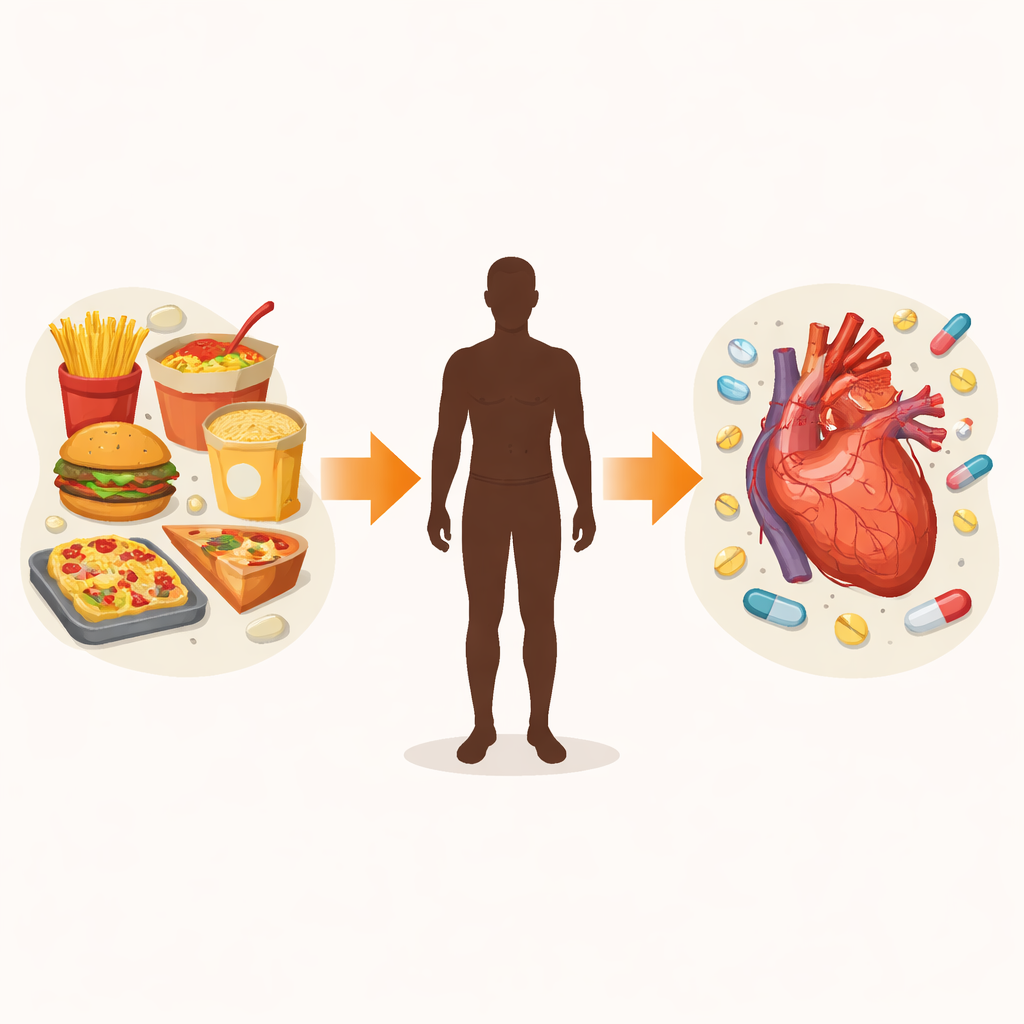
Salt is a familiar part of everyday life, from fast food to home-cooked meals. Doctors have long warned that eating too much salt can raise blood pressure and damage the heart. African American adults in the United States are especially affected by high blood pressure and its complications. This study asked a focused question: among African Americans who already have high blood pressure and are taking medicines, does higher salt intake make them more likely to develop a form of hard-to-treat high blood pressure over time?
A Closer Look at Hard-to-Treat Blood Pressure
Not all high blood pressure is the same. Some people reach healthy readings with one or two medications, while others struggle to control their blood pressure even with three or more drugs. Doctors call this pattern “apparent treatment-resistant hypertension,” meaning blood pressure stays high despite several medicines or requires four or more drugs to keep it in check. This condition greatly increases the risk of stroke, heart disease, and kidney problems. Because African American adults face higher rates of both high blood pressure and this resistant form, understanding what drives it is crucial for preventing serious illness and narrowing health gaps.
Tracking Salt Intake in Everyday Life
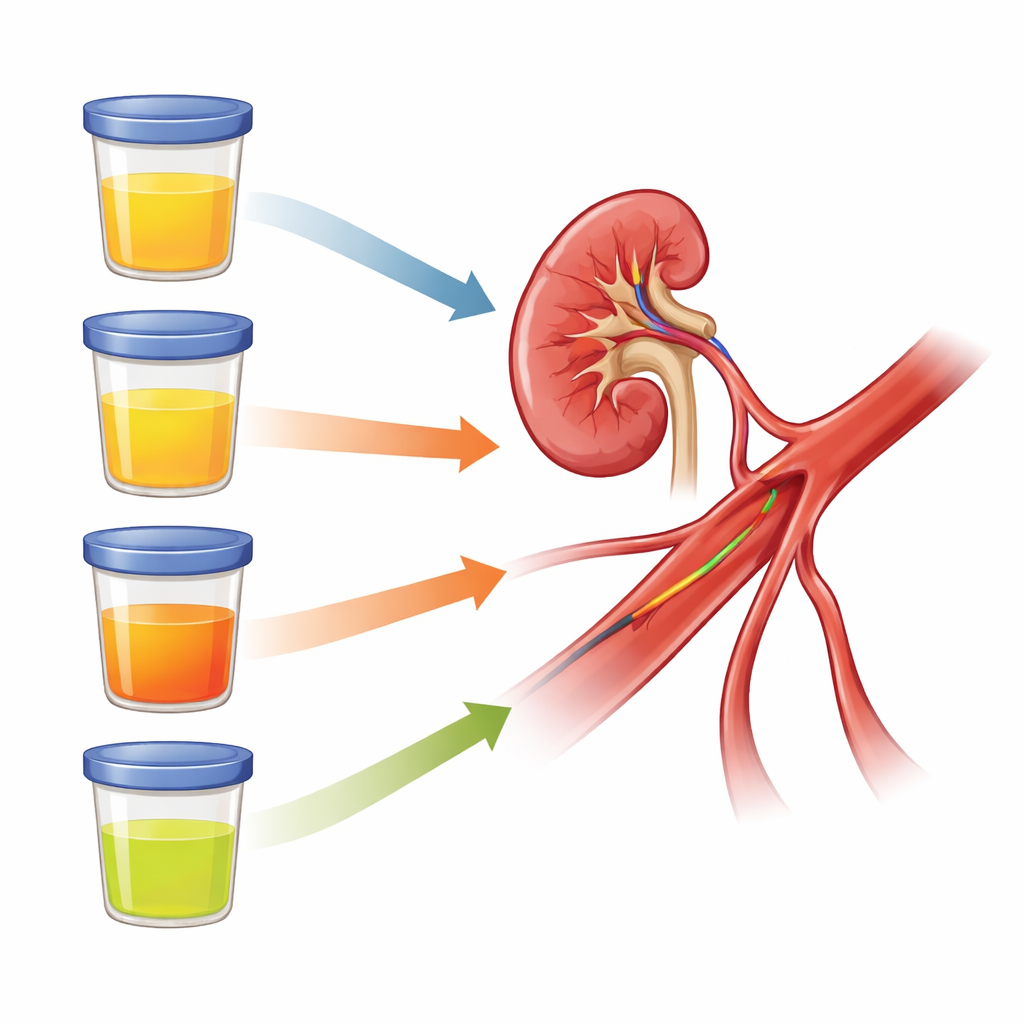
Instead of guessing salt intake from food surveys, the researchers used a more direct measure: how much sodium showed up in a person’s urine over 24 hours. Nearly all the sodium we eat is eventually passed out in urine, so this method is considered a gold standard. The team drew on the Jackson Heart Study, a large, long-term study of African American adults in and around Jackson, Mississippi. From more than 5,000 participants, they focused on 452 people who already had high blood pressure, were taking blood pressure medications, and had complete 24-hour urine samples. These participants were grouped into four bands from lowest to highest sodium excretion and then followed for about seven and a half years to see who developed hard-to-treat high blood pressure.
What the Numbers Revealed
Overall, sodium intake in this group was high. The typical participant excreted about 3,700 milligrams of sodium per day—well above the American Heart Association’s recommended limit of 2,300 milligrams and higher than the average intake in the general U.S. population. During follow-up, more than one in four participants developed hard-to-treat high blood pressure. The proportion who did so was slightly higher in the groups with more sodium in their urine. However, once the researchers took into account age, sex, income, education, kidney function, diabetes, cholesterol, medication types, and many other health and lifestyle factors, the relationship between sodium levels and future hard-to-treat high blood pressure was no longer statistically clear.
A Relationship More Complicated Than Expected
When the team looked at the full range of sodium values using flexible statistical tools, they saw hints of a more complex pattern rather than a simple “more salt equals more risk” line. Very low and very high sodium levels appeared to relate to somewhat lower risk, while the mid-range of sodium showed the highest risk. The wide uncertainty around these estimates suggests that the study may not have included enough people or events to give a firm answer. Other influences—such as genes, other nutrients like potassium, changes in diet over time, or how strictly people followed medical advice—may also shape who develops hard-to-treat high blood pressure.
What This Means for Health and Daily Choices
This study does not overturn what is already known about salt and health: cutting back on sodium remains an important part of controlling blood pressure and protecting the heart. Instead, the findings suggest that, for African American adults who already have high blood pressure and are on treatment, the pathway from salt intake to the most stubborn forms of the disease is not straightforward. High sodium intake was common and still a concern, but it did not on its own clearly predict who would go on to develop hard-to-treat high blood pressure. Larger, longer studies that track diet and health over time, and that consider genetics and other lifestyle factors together, will be needed to fully understand how best to prevent this dangerous condition and reduce cardiovascular health disparities.
Citation: Sanuade, O.A., Addo, D.K., Smith, J.D. et al. The association of urinary sodium with incident apparent treatment resistant hypertension among African Americans: findings from the Jackson Heart Study. J Hum Hypertens 40, 405–412 (2026). https://doi.org/10.1038/s41371-026-01143-8
Keywords: sodium intake, resistant hypertension, African American health, Jackson Heart Study, blood pressure