Clear Sky Science · en
VERAONET: a virtual ecosystem for rewards and archaeological operations network
Why saving history needs new digital tools
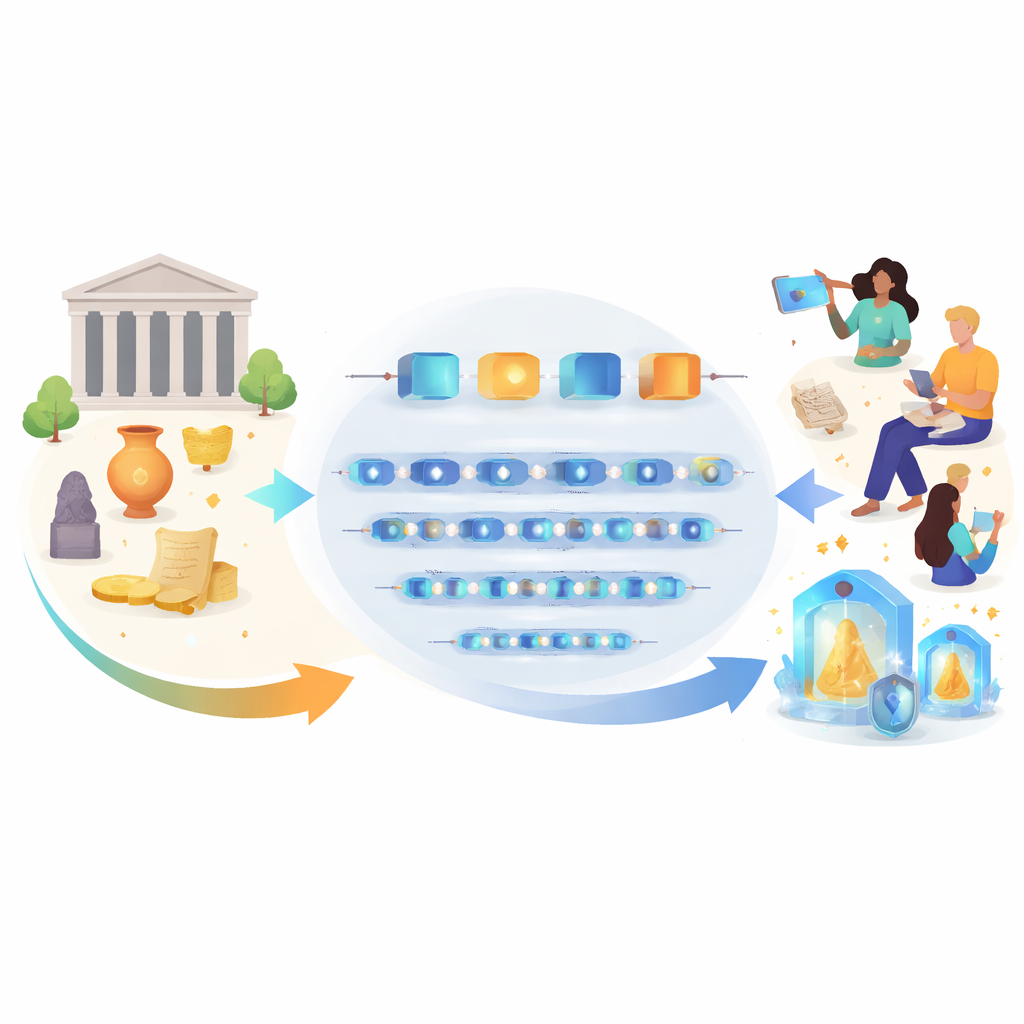
Museums and archaeologists are racing to record fragile sites and artefacts before they are lost to time, climate, or conflict. Much of this work now happens online: photos, 3D scans, and annotations are shared across the world. But keeping these digital records trustworthy, affordable, and fast to use is a major challenge. This paper presents VERAONET, a new blockchain-based system designed specifically to help virtual museums and archaeology projects store records securely, reward contributors fairly, and still run smoothly even when thousands of visitors are online at once.
From digging sites to digital trails
Archaeological work no longer ends when an artefact leaves the ground. Every photo, scan, edit, and expert opinion becomes part of its story. The authors argue that blockchain technology is well suited to protect these digital trails: it can lock in who did what and when, without relying on a single central authority. Earlier projects showed that blockchains can track artefacts and reward contributors, but they often became slow, expensive, or rigid when faced with the heavy and uneven traffic of real museum use. High fees made small actions, like adding a label or correcting a typo, impractical, and fixed technical settings could not adapt to busy exhibition days versus quiet nights.
A flexible digital backbone for virtual museums
VERAONET is introduced as a "virtual ecosystem" that sits on top of existing blockchains as a so‑called Layer‑2 system. Instead of forcing every action onto a busy main network, it uses sidechains—lighter companion networks—to handle frequent tasks such as artefact uploads, visitor interactions, and reward payouts. Crucially, VERAONET can switch among several ways of agreeing on new records, choosing between more secure but slower settings and faster, more efficient ones according to current conditions. When traffic is light or security needs are highest, it leans on traditional approaches that use more computing power. When crowds of visitors flood a virtual exhibition, it shifts toward stake-based methods that confirm actions quickly with far less energy and cost.
How the system adapts under the hood
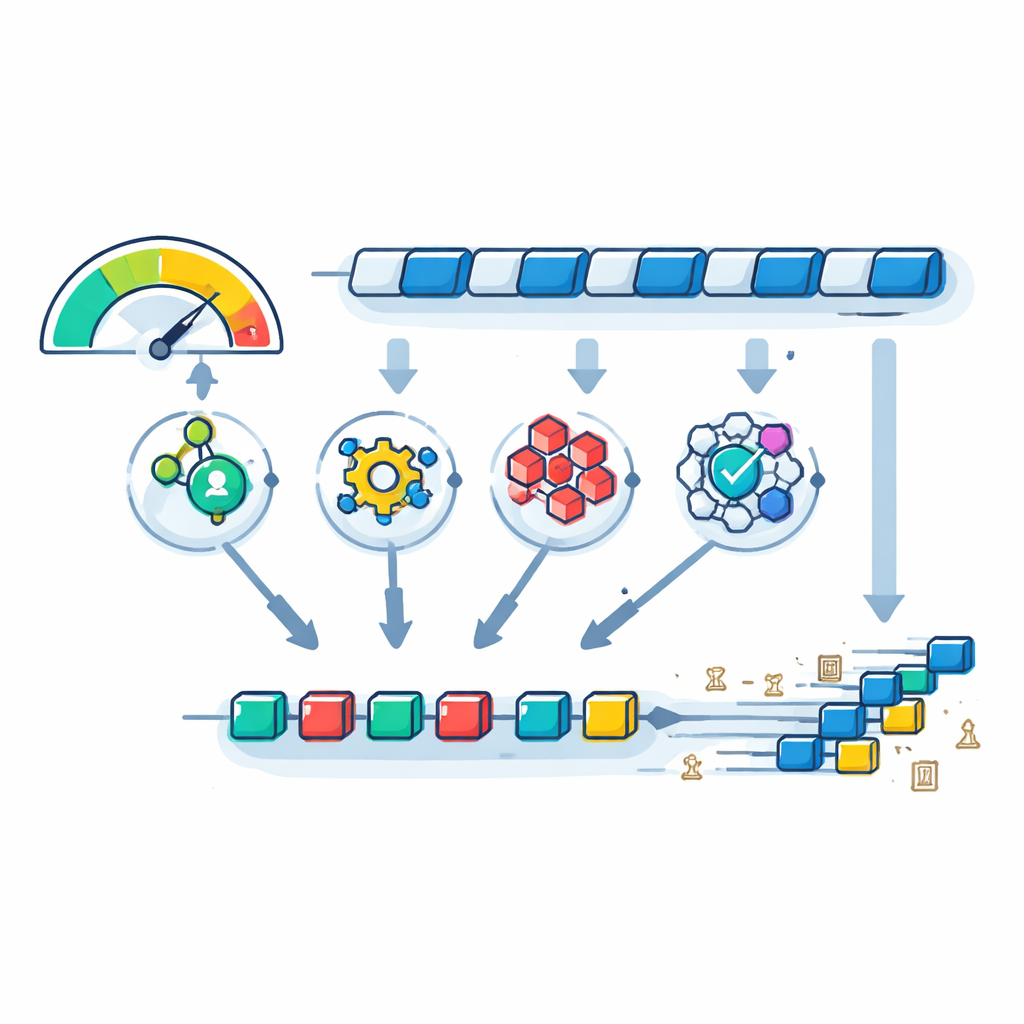
At the core of VERAONET is an adaptive module that constantly watches the network: how many users are active, how long transactions take, and how much computing power and storage are available. Based on simple rules, it selects one of four modes and can move between them as circumstances change. Heavy mining-style modes are reserved for quiet hours or highly sensitive operations, while lighter, stake-based modes are used during peak demand to keep the experience smooth. Smart contracts—self-executing digital agreements—automate this switching and also handle the reward system, paying contributors when milestones such as a certain number of verified artefacts are reached. Important snapshots of all this activity are periodically anchored back to the main blockchain so that the long-term record remains tamper-resistant.
Putting the ideas to the test
To see whether VERAONET works in practice, the authors ran extensive simulations using two popular blockchain environments. They tested between a handful and ten thousand simulated users, measuring how long transactions took, how many could be processed per second, how large the blockchain grew, and how much “gas” or transaction cost was required. In both controlled and more realistic network conditions, the stake-based modes consistently outperformed the older, mining-style ones when the system was busy. They delivered much lower waiting times, required far less storage, and cut transaction costs by large margins, while still maintaining secure records. The more traditional modes remained useful in low-traffic, high-security scenarios where maximum robustness was desired.
What this means for preserving the past
For non-specialists, the key message is that VERAONET offers a way to keep digital heritage records both trustworthy and usable at scale. It lets virtual museums host thousands of visitors, register new finds, and reward volunteers without being dragged down by the usual costs and delays associated with blockchain systems. By smartly choosing how it operates based on the moment’s needs, it can save energy, money, and storage while still protecting the integrity of cultural data. The authors see this as a foundation for future tools that combine blockchain with artificial intelligence and immersive technologies, helping ensure that the stories of our shared past remain accessible, reliable, and collaboratively maintained for generations to come.
Citation: Aziz, O., Farooq, M.S., khelifi, A. et al. VERAONET: a virtual ecosystem for rewards and archaeological operations network. npj Herit. Sci. 14, 290 (2026). https://doi.org/10.1038/s40494-026-02366-1
Keywords: digital heritage, virtual museums, blockchain, archaeology, consensus mechanisms