Clear Sky Science · en
How do environmental protection taxes affect the ESG performance of heavy polluters? Evidence from China
Why taxes on pollution matter to everyday life
When factories and power plants pour smoke into the air or waste into rivers, the costs are carried by all of us in the form of dirty air, unhealthy water, and climate change. Governments increasingly use taxes on pollution to push companies to clean up their act. This article asks a simple but important question: when China charges heavy polluters more for the damage they cause, do those companies actually behave more responsibly toward the environment, society, and their own shareholders and workers?
A new way to charge for pollution
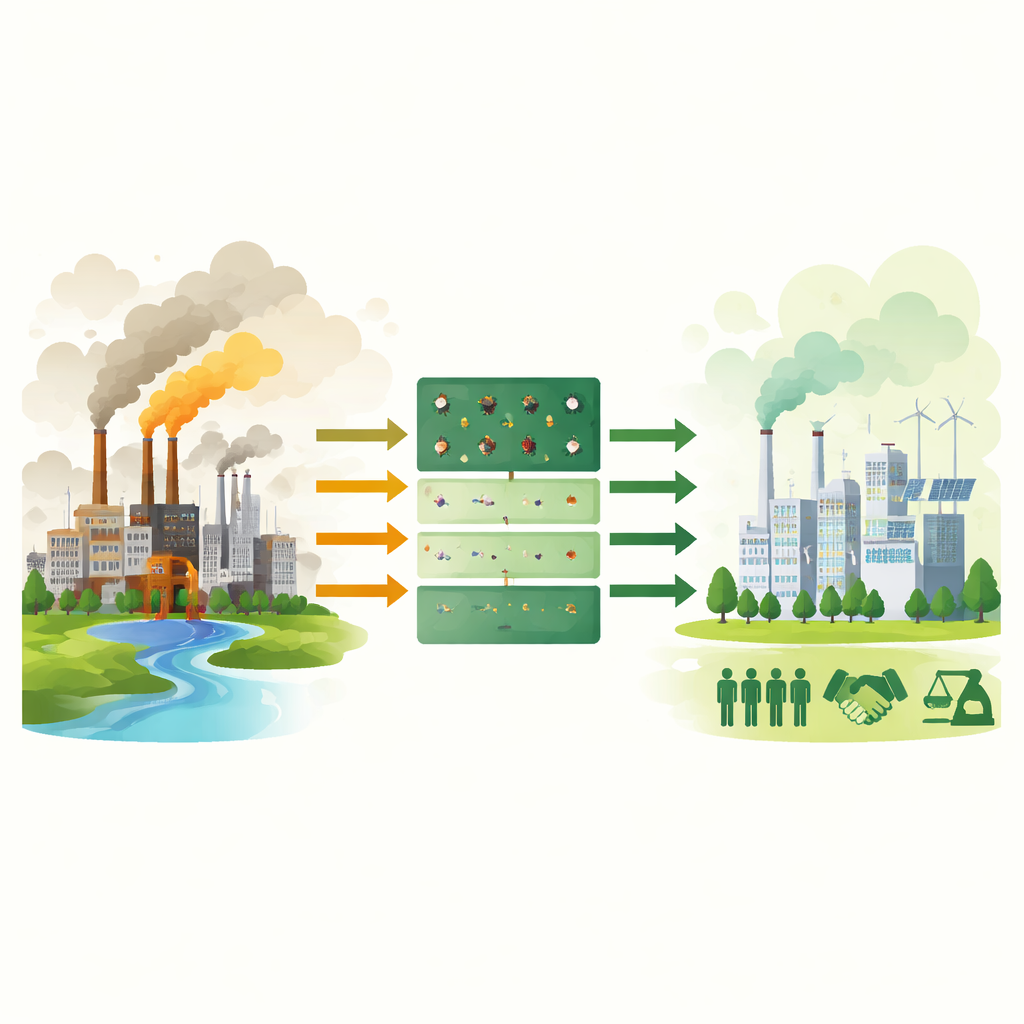
For many years, China relied on relatively weak pollution fees that were often bargained down or not fully collected, especially in regions eager for rapid economic growth. In 2018, the country replaced this patchwork system with a national Environmental Protection Tax. Instead of a negotiable fee, pollution payments became a formal tax written into law, with local governments allowed to raise rates in areas under greater environmental strain. This shift was meant not just to punish dirty behavior but to send a clear price signal: it should be cheaper to prevent pollution in the first place than to pay for dumping it into air and water.
Tracking thousands of companies over time
To see whether this new tax changed corporate behavior, the authors studied 3414 publicly listed Chinese firms between 2013 and 2022, focusing on industries such as steel, chemicals, and power generation that produce large amounts of waste and emissions. They measured companies’ performance on three fronts: environmental protection, social responsibility, and corporate governance—together known as ESG. Using a statistical approach that compares trends before and after the tax, between dirtier and cleaner industries, and across regions that did or did not raise tax rates, the study isolates the effect of the Environmental Protection Tax from other changes in China’s fast-moving economy.
How higher pollution taxes change company choices
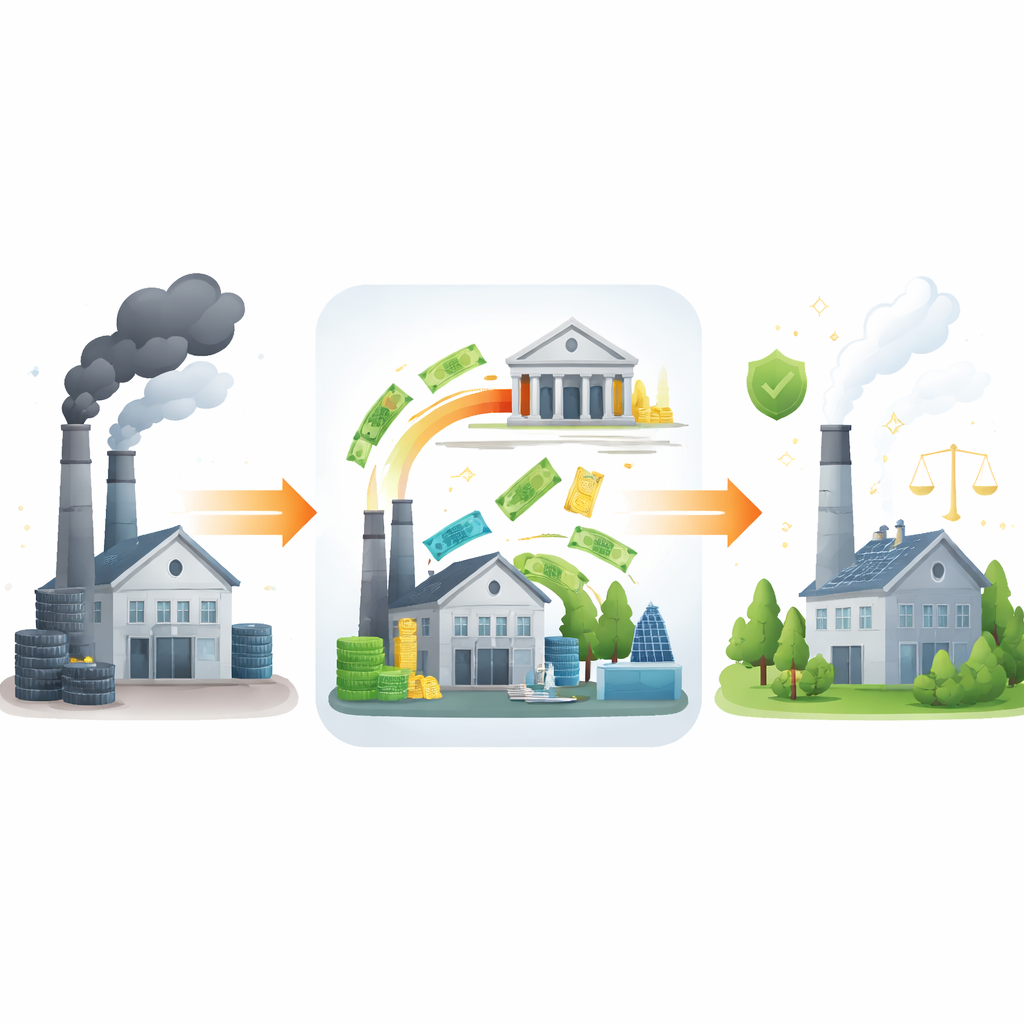
The results show that the Environmental Protection Tax clearly nudged heavy polluters toward better ESG behavior, and its impact grew stronger over time. Companies in heavily taxed regions increased their spending on pollution control equipment, cleaner production processes, and environmental projects. This investment did more than just cut emissions and tax bills. It also improved how these firms were viewed by the public and by investors, helping them present a greener image and tightening their internal management and oversight. At the same time, firms that demonstrated serious environmental efforts found it easier to borrow money and attract capital on favorable terms, because banks and investors increasingly reward companies that look sustainable and lower risk.
Not all companies respond in the same way
The tax did not work equally well everywhere. Its positive effects on ESG performance were strongest in eastern and central China, where economies are more advanced, environmental rules are tougher, and markets for green technology and finance are more developed. Companies that attract more media coverage also responded more vigorously, likely because public scrutiny raises the reputational cost of being seen as a dirty polluter. Firms whose top executives had government experience reacted more strongly as well, probably because they better understood policy signals and could tap public support programs, loans, or subsidies that make cleaner operations more affordable.
What this means for cleaner growth
For a general reader, the study’s bottom line is straightforward: when pollution is properly priced and rules are enforced, even heavy industries can be steered toward cleaner, fairer, and better-run business practices. China’s Environmental Protection Tax not only reduced emissions but also encouraged companies to invest in green technologies and improved their access to finance, raising their scores on environmental stewardship, social responsibility, and corporate governance. The authors argue that fine-tuning tax rates, strengthening enforcement, expanding green finance, and improving information disclosure can reinforce these gains, helping heavily polluting industries shift onto a path of high-quality, sustainable growth that benefits both the economy and the environment.
Citation: He, L., Li, Y. & Quan, S. How do environmental protection taxes affect the ESG performance of heavy polluters? Evidence from China. Humanit Soc Sci Commun 13, 582 (2026). https://doi.org/10.1057/s41599-026-06848-2
Keywords: environmental protection tax, heavy polluters, ESG performance, green finance, China environmental policy