Clear Sky Science · en
Perceived overqualification and job performance: the moderating role of job crafting in the Turkish public sector
Why Extra Skills in Routine Jobs Matter
Many people today feel they are doing jobs that don’t fully use their education and abilities. This is especially common in government offices, where strict rules and standardized tasks can make even highly trained professionals feel underused. This study looks at Turkish public servants who see themselves as overqualified and asks a practical question: does having “too many” skills actually help them perform better, and what happens when they try to reshape their jobs to fit their talents?
Working Above the Job Requirements
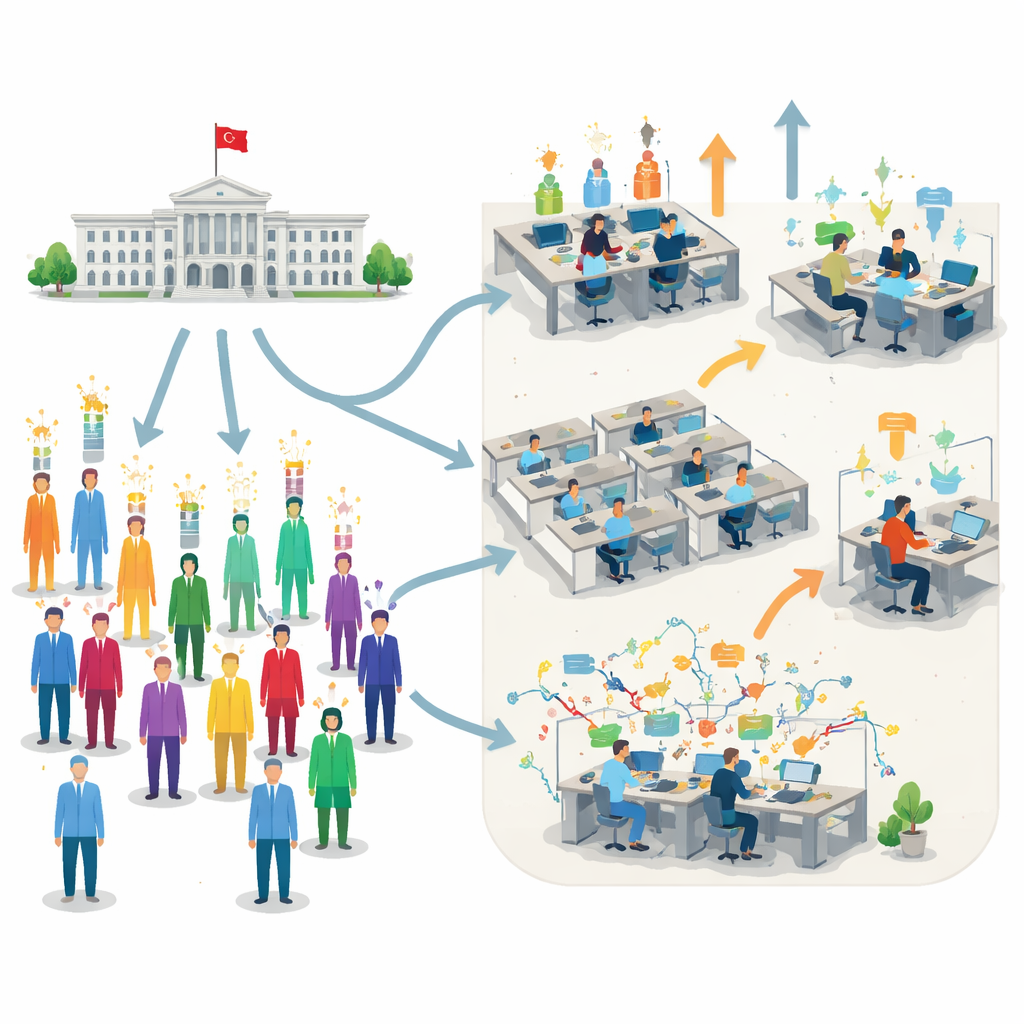
In Turkey, getting into the public sector requires passing a tough nationwide exam, and many successful candidates hold strong degrees and advanced skills. Once hired, however, they often find themselves doing routine, tightly defined tasks. The researchers call this “perceived overqualification” – the feeling that your knowledge and experience are more than your job really needs. Rather than assuming this is always bad, the study draws on ideas from economics that see education and skills as valuable “human capital” and asks whether this surplus can actually boost day-to-day performance in government work.
Measuring Real-World Performance
To explore this, the authors surveyed 275 officers working in four large ministries responsible for areas like finance, education, labor, and youth policy. In two waves a month apart, employees rated how overqualified they felt, how much they reshaped their tasks and relationships at work (a behavior known as job crafting), and how well they believed they were performing core duties such as accuracy, speed, and reliability. Later, the researchers conducted in-depth interviews with seven officers who both felt strongly overqualified and reported high levels of job crafting. This mixed approach allowed them to link broad patterns in the data with rich, real-world stories from people inside the bureaucracy.
When Extra Talent Helps – and When It Stalls
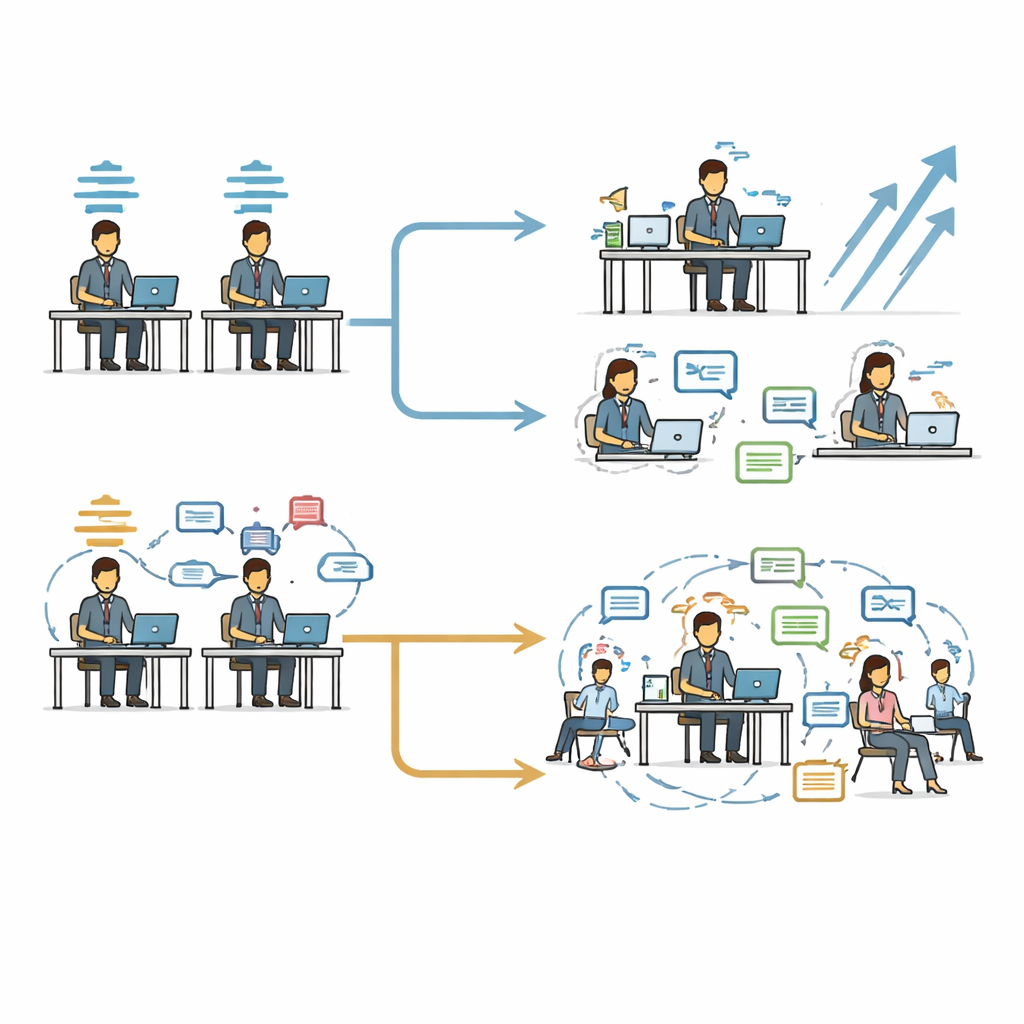
The findings show that feeling overqualified is not necessarily a problem; in fact, it was linked to slightly higher job performance overall. Officers who believed they had more education and skills than their roles demanded tended to complete work faster and with better quality, making everyday tasks easier and more efficient. Interviews confirmed this: participants described using their background to solve complex cases, plan ahead, and handle routine jobs with confidence. However, the story changed once the researchers looked at job crafting – the way employees stretch or reshape their work to better match their strengths and interests. In theory, job crafting should help workers turn unused skills into better performance. Yet, only one type of crafting, changing or expanding tasks themselves (called mission or task crafting), had a noticeable effect on the link between overqualification and performance – and it worked in the opposite direction than expected.
The Hidden Tipping Point of Trying Too Hard
Moderate task changes, such as grouping similar files, planning travel more efficiently, or using smart digital tools, helped overqualified employees get more done in less time. But when they pushed too far, problems emerged. Some officers described juggling many files at once, constantly searching for “better” methods, or becoming the unofficial expert everyone turned to for help. This created confusion, errors, and heavy extra workload. Colleagues sometimes resisted new ways of working or simply offloaded tasks onto the more capable person, and managers did not always welcome informal changes in a rule-bound environment. The data showed that beyond a certain level of task crafting, the performance advantage of being overqualified faded: the relationship stayed positive but became too weak to stand out statistically.
Making Better Use of Overqualified Workers
To a lay reader, the main message is straightforward: having more skills than your job demands can be good for performance, but only if the workplace channels this talent wisely. In Turkey’s public sector, modest, well-structured freedom to adjust tasks allows extra skills to shine. When employees try to reshape their jobs too much in a rigid bureaucracy, they risk role confusion, friction with peers, and burnout, which cancel out the benefits of their qualifications. The authors suggest that public managers should not simply tolerate overqualification, but design “structured autonomy” – clear, limited spaces where people can modernize processes and use their abilities without disrupting established procedures. Done carefully, this approach can turn an apparent mismatch between worker and job into a quiet engine for better public service.
Citation: Arar, T., Yurdakul, G. Perceived overqualification and job performance: the moderating role of job crafting in the Turkish public sector. Humanit Soc Sci Commun 13, 538 (2026). https://doi.org/10.1057/s41599-026-06833-9
Keywords: overqualification, job crafting, public sector, job performance, Turkish bureaucracy