Clear Sky Science · en
Will social justice for the people of southeast Nigeria prevent Biafra’s secession?
Why this debate matters
Across the world, regions that feel ignored or mistreated often talk about going their own way. In Nigeria, this tension is especially sharp in the southeast, where many Igbo people identify with the historic name “Biafra.” This article asks a simple but urgent question: could fairer treatment and genuine power‑sharing within Nigeria calm this crisis and make secession less likely?
How a region came to feel sidelined
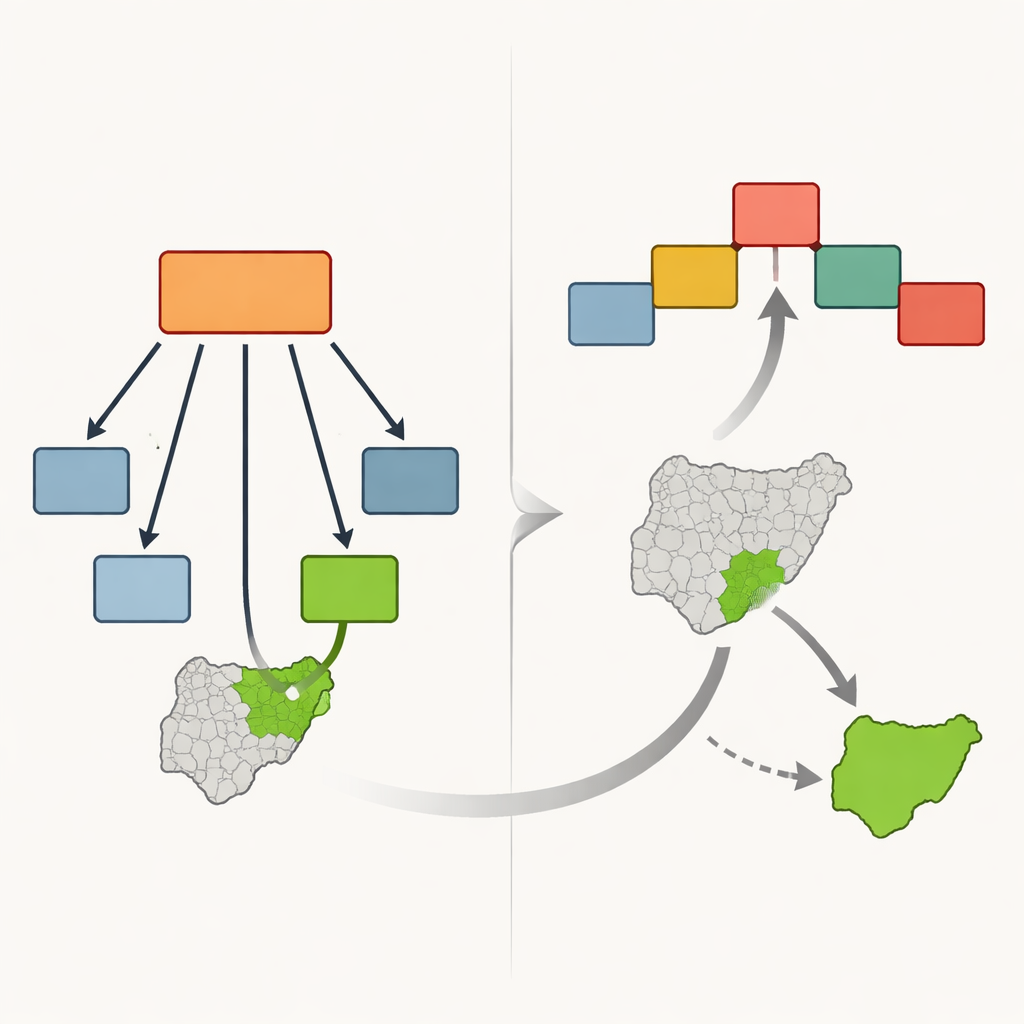
The paper explains how the Indigenous People of Biafra (IPOB), a movement formed in 2012, grew out of long‑standing feelings of injustice among many Igbo people. They point to discrimination, weak investment in the southeast, uneven sharing of oil wealth, and episodes of violence by security forces. While some members demand full independence, others would accept real fairness and self‑rule within Nigeria. The author links today’s unrest to unresolved grievances from the Nigeria‑Biafra war of 1967–1970, including the seizure of Igbo‑owned property and harsh economic policies after the conflict. These memories, combined with bans on Biafran symbols that other groups are not subjected to, deepen the sense that the southeast is treated as second‑class.
Why power‑sharing matters
To understand why these tensions persist, the article looks closely at how Nigeria is run. On paper, the country is a federation, meaning power should be shared between a central government and regional units. In practice, the author argues, central authorities control too much, from natural resources to the police. Earlier constitutions gave regions more freedom and a larger share of the wealth they produced, but military interventions and later reforms pulled power back to the center. This over‑centralisation, combined with the perception that northern elites dominate national politics, has made many in the southeast feel that the system cannot protect them or reflect their identity.
The role of local leaders and the label of terror
A striking part of the story is the stance of elected politicians from the southeast itself. Although many publicly admit that their region faces injustice, they have not led a strong push for reform and have sometimes supported military crackdowns on IPOB. The group has been branded a terrorist organisation by the federal government, a label the author treats with caution. He notes conflicting reports about who is responsible for violence in the region, and points out that other armed groups and criminal gangs also operate there. While IPOB has used protests and shutdowns that demonstrate its influence, its leaders have denied attacks on civilians and say they are being framed to discredit their cause. The lack of independent investigations leaves ordinary people caught between state force, separatist claims, and insecurity.
Lessons from other divided societies
Rather than seeing separation as inevitable, the article looks abroad for examples of how divided countries have stayed together. In places like Canada, Belgium, Nepal, Myanmar, and Sri Lanka, governments have used creative forms of federalism to recognise distinct regions and share power. Some have granted special status to areas with strong identities, while others have redrawn internal boundaries to give minorities more say. These arrangements do not erase national borders, but they give groups enough control over their own affairs to make secession less attractive. The author argues that Nigeria could follow a similar path if it is willing to rethink how power, resources, and recognition are distributed.
A different way forward for Nigeria
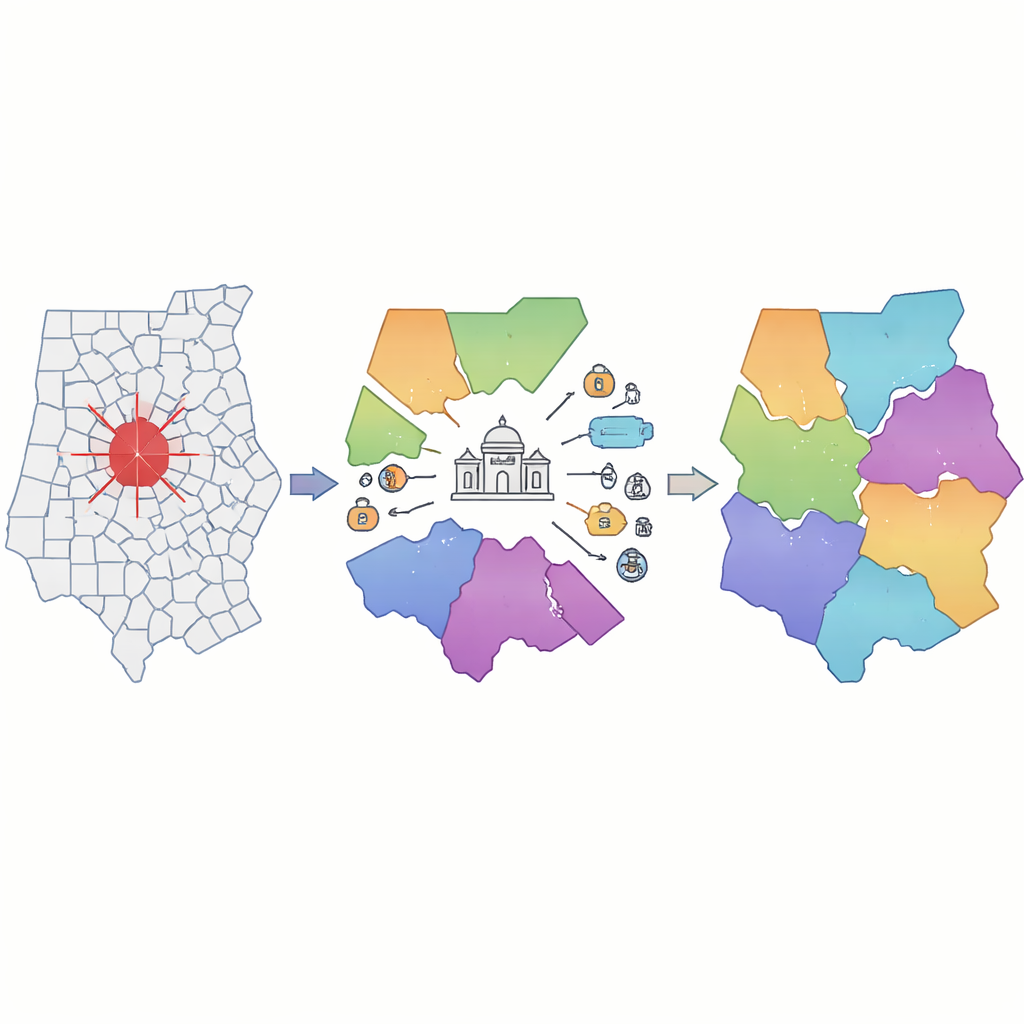
To ease the Biafran crisis, the article proposes moving toward “holding‑together” federalism: a deliberate reshaping of the system to keep the country united by choice rather than force. The key idea is to make Nigeria’s six existing political zones—already used in practice—constitutionally real, and to grant them meaningful authority over their resources, security, courts, and cultural life. The southeast could receive a special status or fair adjustments, such as an additional state, to address long‑standing complaints of under‑representation. By grouping communities with shared histories together and giving all regions stronger but balanced autonomy, Nigeria could protect minorities, reduce fears of domination, and encourage healthy competition instead of rivalry. In this vision, genuine social justice and power‑sharing would not just calm calls for secession; they would make Nigeria a more stable and inclusive home for all its peoples.
Citation: Igwenyere, F.O. Will social justice for the people of southeast Nigeria prevent Biafra’s secession?. Humanit Soc Sci Commun 13, 457 (2026). https://doi.org/10.1057/s41599-025-06423-1
Keywords: Biafra, Igbo, Nigeria federalism, secession, political autonomy