Clear Sky Science · en
Ways forward for global adaptation evidence synthesis building on the Global Adaptation Mapping Initiative
Why this matters for our changing world
As climate impacts intensify, countries and communities everywhere are trying to adjust—by protecting coasts, redesigning cities, safeguarding water and health, and much more. But with tens of thousands of studies now describing these efforts, it has become almost impossible to keep track of what is actually being tried, where, and with what results. This article looks back at a major global effort, the Global Adaptation Mapping Initiative (GAMI), which set out to systematically map human responses to climate change worldwide, and distils lessons for how we can better turn this growing flood of information into usable guidance for decision-makers.
A global stocktake of how people are adapting
GAMI was a large, community-driven project involving 129 researchers across the globe. Using machine learning to scan nearly 50,000 scientific papers and in-depth human review of 1,682 studies, the team created a database of real-world actions people are taking to cope with climate change. These actions span sectors like water, health, forests, cities, and agriculture, and regions from mountain communities to coastal megacities and African drylands. The database has become a reference point for understanding global adaptation and has already fed into 18 more targeted studies and key assessments such as the Intergovernmental Panel on Climate Change (IPCC) reports and the UN climate process. 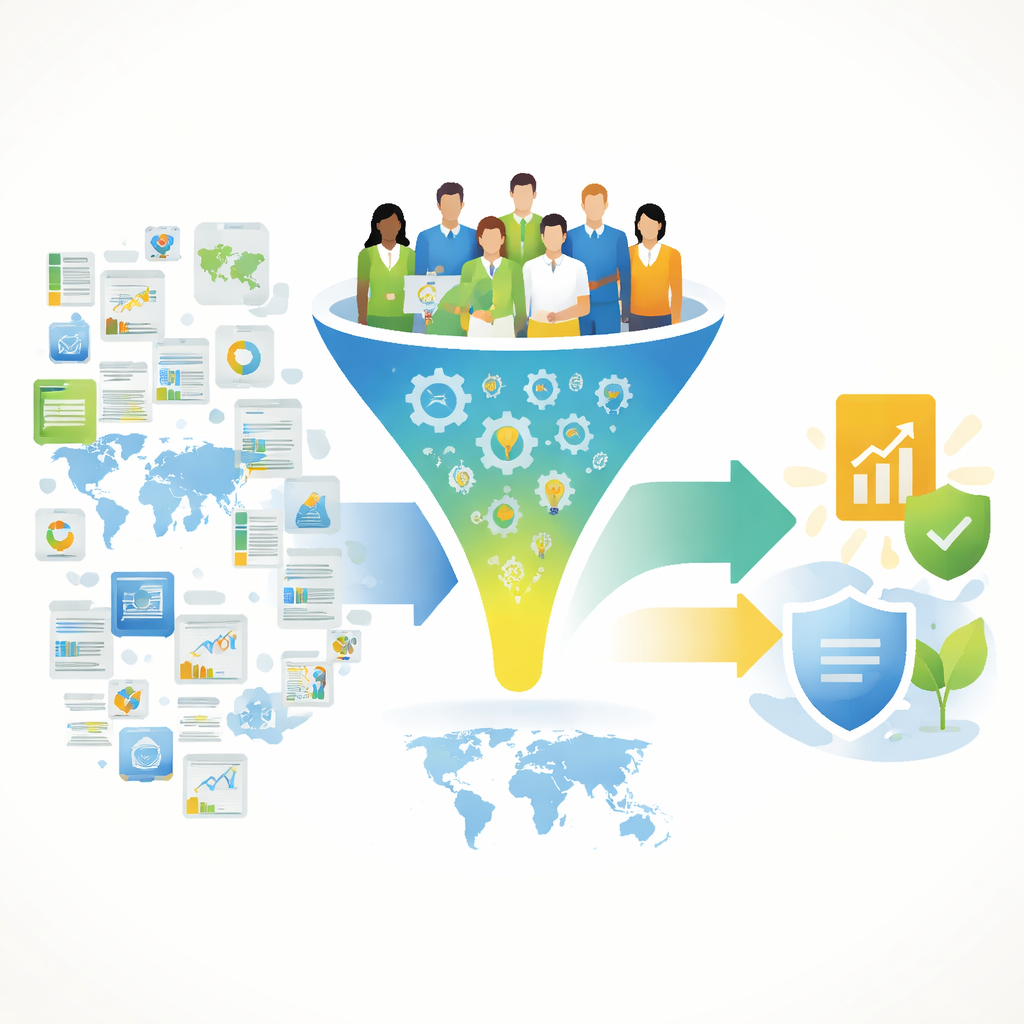
What worked and what fell short
To understand GAMI’s strengths and weaknesses, the authors surveyed 59 people who had helped lead, code, or analyse the project’s data. Respondents agreed that GAMI had strong impact in science and policy: it has been widely cited, informed major international reports, and helped build a global community of adaptation scholars, especially benefiting early-career researchers and those from low- and middle-income countries. Yet participants and journal reviewers also raised important concerns. Because GAMI aggregates information from many case studies into common categories, it can blur local details—for example, how adaptation really plays out in small islands, forests, or specific cities. There are also geographic and language imbalances: focusing on peer-reviewed papers indexed in English means that much local and non-English knowledge, including informal practices and Indigenous approaches, is left out.
The trade-offs of mapping the whole planet
The survey highlights a central tension: to cover the globe, GAMI had to sacrifice depth. A single codebook was used to classify many different kinds of studies—from engineering projects to community-based initiatives—under shared headings such as type of response, actors involved, or how quickly changes are happening. Coders’ different disciplinary backgrounds made consistent interpretation challenging, and combining multi-country case studies into a few database entries sometimes erased context. Respondents judged the overall reliability, validity, and usability of the database as good, but noted that it is best at capturing broad trends rather than fine-grained insights. Users who wanted to explore particular themes, like equity or specific regions, often had to re-code subsets of the data to regain lost nuance.
Building fairer and faster knowledge systems
Running such a huge manual effort required many unpaid hours, and the workload was especially heavy for contributors in the Global South and for early-career scholars who were juggling other responsibilities. The leadership teams were still dominated by researchers based in the Global North, even though authorship rules and later synthesis teams moved toward better regional balance. Looking ahead, respondents see promise in combining human expertise with artificial intelligence tools such as natural language processing. These methods could help screen more types of material—not just journal articles but also government reports, non-governmental organisation documents, legal texts and datasets—and keep a “living” database updated as new work appears. However, they also stress that AI systems must be transparent, trained on high-quality data, and overseen by experts to avoid biased or misleading results. 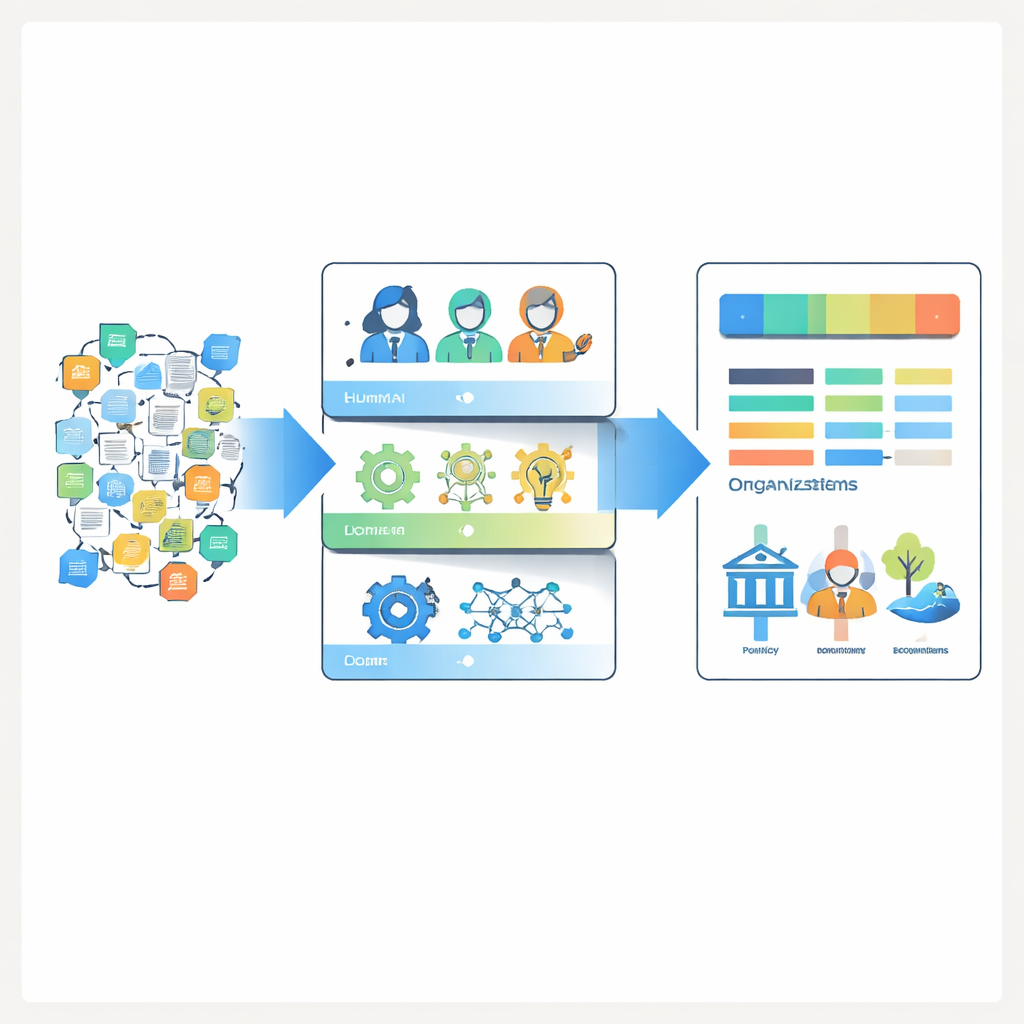
How this can guide the next wave of climate action
Overall, the article concludes that GAMI proved it is possible to take a global snapshot of how humans are adapting to climate change, and that this kind of synthesis is vital for international processes that judge whether the world is keeping pace with rising risks. But it also shows that big-picture maps are only as good as the choices behind them: which studies are included, how concepts are defined, who does the coding, and how local knowledge is treated. A future “GAMI 2.0” will need stable funding, more inclusive leadership, clearer standards for reporting adaptation work, and carefully designed human–AI partnerships. Done well, such efforts could turn scattered stories of adaptation into timely, trustworthy guidance that helps communities, governments, and organisations make smarter choices in a warming world.
Citation: Petzold, J., Garschagen, M., Biesbroek, R. et al. Ways forward for global adaptation evidence synthesis building on the Global Adaptation Mapping Initiative. Commun. Sustain. 1, 62 (2026). https://doi.org/10.1038/s44458-026-00071-5
Keywords: climate change adaptation, evidence synthesis, Global Adaptation Mapping Initiative, artificial intelligence in research, global climate policy