Clear Sky Science · en
Impacts of environmental stressors on fertility and fecundity across taxa, with implications for planetary health
Why Our Ability to Reproduce Is a Planetary Issue
Across the globe, humans and wildlife are increasingly struggling to reproduce in healthy numbers. This review explains how a growing mix of man‑made chemicals, together with climate change, is quietly undermining fertility and birth rates in species ranging from snails and fish to sea lions and people. For a general reader, the message is both simple and profound: the same pollutants and rising temperatures that shape our daily environment are also shaping whether animals — including us — can have healthy offspring, with consequences for biodiversity and long‑term planetary health. 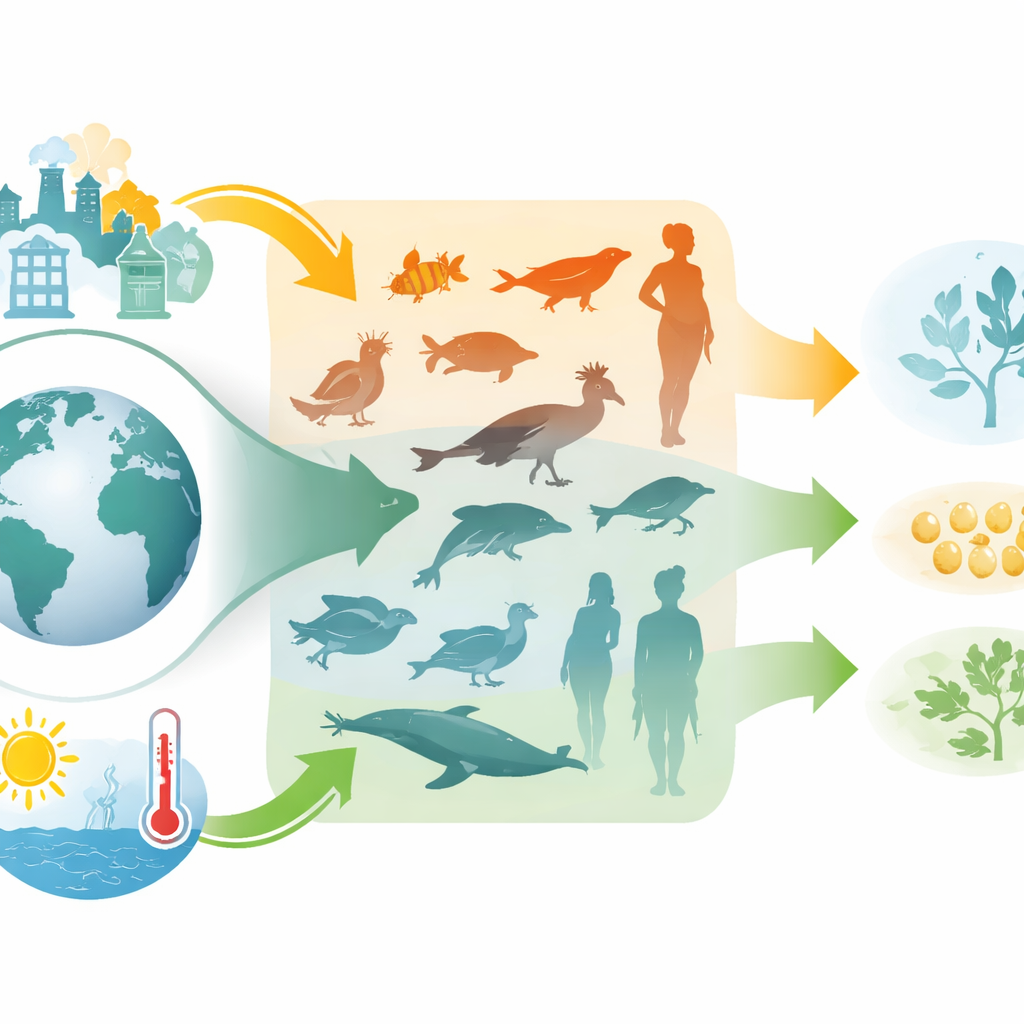
Hidden Chemicals All Around Us
The authors describe a vast and poorly controlled “chemical exposome”: more than 140,000 registered synthetic chemicals, thousands of which can interfere with hormones that govern growth, development, and reproduction. Many of these endocrine‑disrupting chemicals, or EDCs, such as plastic additives, pesticides, and industrial compounds, act at extremely low doses, sometimes with stronger effects at low exposure than at high. New pollutants, including microplastics and “forever chemicals” known as PFAS, add to this burden. Because all living organisms now encounter multiple stressors at once — polluted air and water, warmer temperatures, and lower oxygen in oceans and lakes — it is no longer realistic to consider any exposure in isolation.
Wildlife Warning Signs Across the Tree of Life
Case studies from many animal groups reveal a repeating pattern: chemical and climate stressors combine to reduce egg production, sperm quality, successful hatching, and survival of young. In invertebrates, antifouling paints once caused female snails to grow male sex organs, while modern plastic particles and their additives damage reproductive tissues in mussels, corals, and earthworms. Fish living in rivers and estuaries contaminated with pesticides, plastic‑derived chemicals, and microplastics develop skewed sex ratios, reduced spawning, and fewer surviving offspring; in some experiments, fish populations collapsed after exposure to synthetic estrogen. Birds at the top of food webs accumulated DDT and other long‑lived pollutants, leading to thin eggshells, missing males, and population crashes — some of which have reversed only after bans on the worst chemicals.
Heat, Sex, and the Future of Cold‑Blooded Animals
Reptiles and amphibians provide especially stark examples of how climate change and pollution interact. For many turtles and alligators, the temperature at which eggs incubate determines whether hatchlings become male or female. Rising global temperatures already push some sea turtle populations towards nearly all females. At the same time, hormone‑mimicking pollutants can override normal sex determination, permanently altering gonads and upsetting sex ratios. Frogs and toads, already among the most threatened animals on Earth, face ponds that dry too quickly, heat‑driven sex reversal, and additional damage from microplastics that impair growth, body condition, and likely fertility. These species act as sentinels, signaling that the combined pressures of warming and chemicals are pushing natural systems toward instability.
From Seals to People: Shared Risks to Fertility
Marine mammals such as seals and sea lions accumulate high levels of oily, long‑lived pollutants and are increasingly exposed to toxins from harmful algal blooms, which are favored by warmer waters. The result has been tumors, uterine damage, miscarriages, premature births, and weaker immune systems. Laboratory rodents help reveal how such substances work at the molecular level, showing that EDCs can damage eggs and sperm, alter behavior needed for mating, and harm offspring across multiple generations. In humans, similar chemicals — notably phthalates, PFAS, and microplastics — are linked to shorter distance between genital and anal structures in baby boys (a marker of disrupted development), poorer sperm quality, reduced success with in‑vitro fertilization, and altered sex ratios at birth. Heat itself also matters: long‑term data connect hot weather with fewer conceptions and worse semen quality. 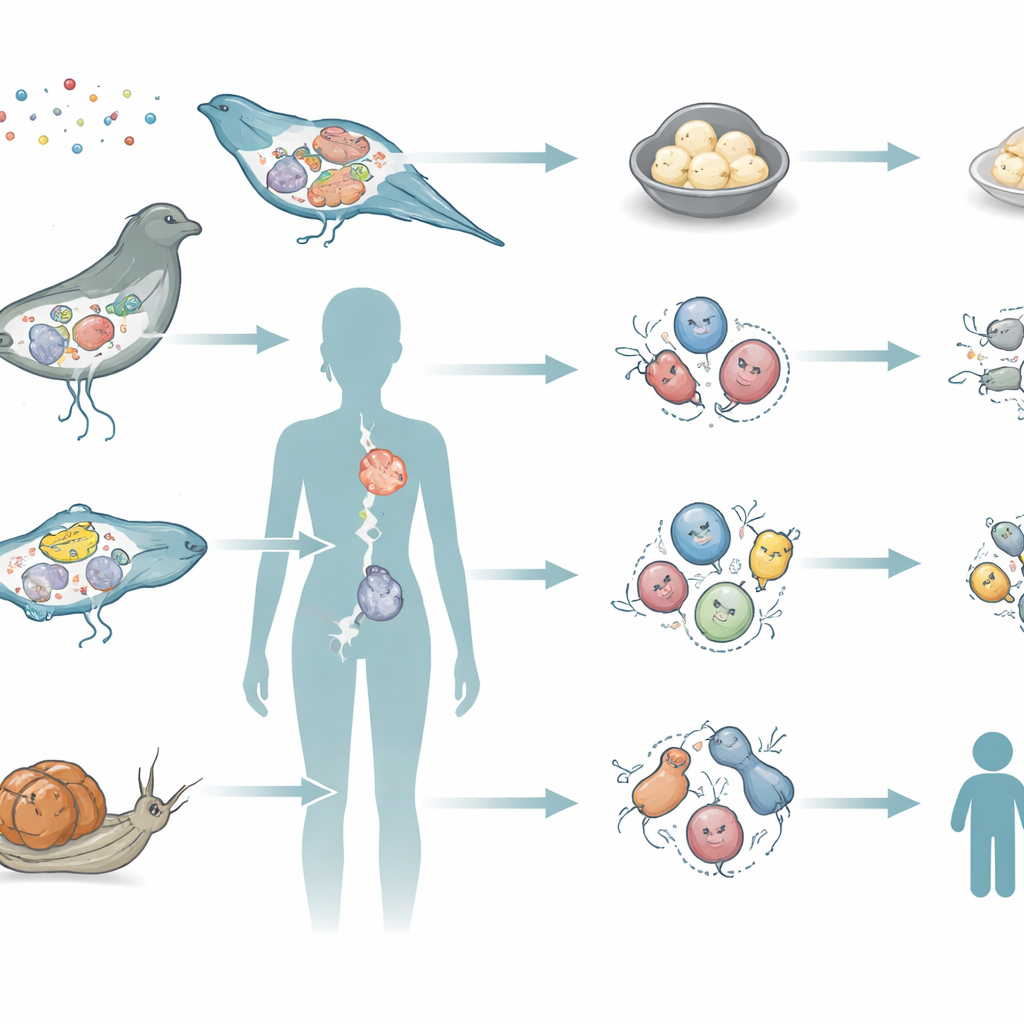
What This Means for Life on Earth
Taken together, evidence from snails, fish, birds, reptiles, amphibians, marine mammals, rodents, and humans paints a consistent picture: modern pollution and climate change are jointly eroding the basic ability of organisms to reproduce. Because fertility and fecundity sit at the foundation of population size and biodiversity, these quiet shifts in eggs, sperm, and sex ratios signal a large‑scale threat to planetary health. The authors argue that protecting future generations will require moving beyond chemical‑by‑chemical control toward regulating whole classes of substances, addressing plastic pollution as part of a global treaty, and recognizing that climate action and chemical safety are inseparable. In simple terms, safeguarding the capacity of life to renew itself is central to safeguarding the planet we all share.
Citation: Brander, S.M., Swan, S.H., Mehinto, A.C. et al. Impacts of environmental stressors on fertility and fecundity across taxa, with implications for planetary health. npj Emerg. Contam. 2, 12 (2026). https://doi.org/10.1038/s44454-026-00032-6
Keywords: endocrine disruptors, fertility decline, microplastics, climate change and reproduction, biodiversity loss