Clear Sky Science · en
Dapagliflozin attenuates cisplatin-induced nephrotoxicity in rats through modulation of ROS/NF-κB, BCL2/Bax and PINK1/Parkin signaling pathways
Why this matters for patients on cancer drugs
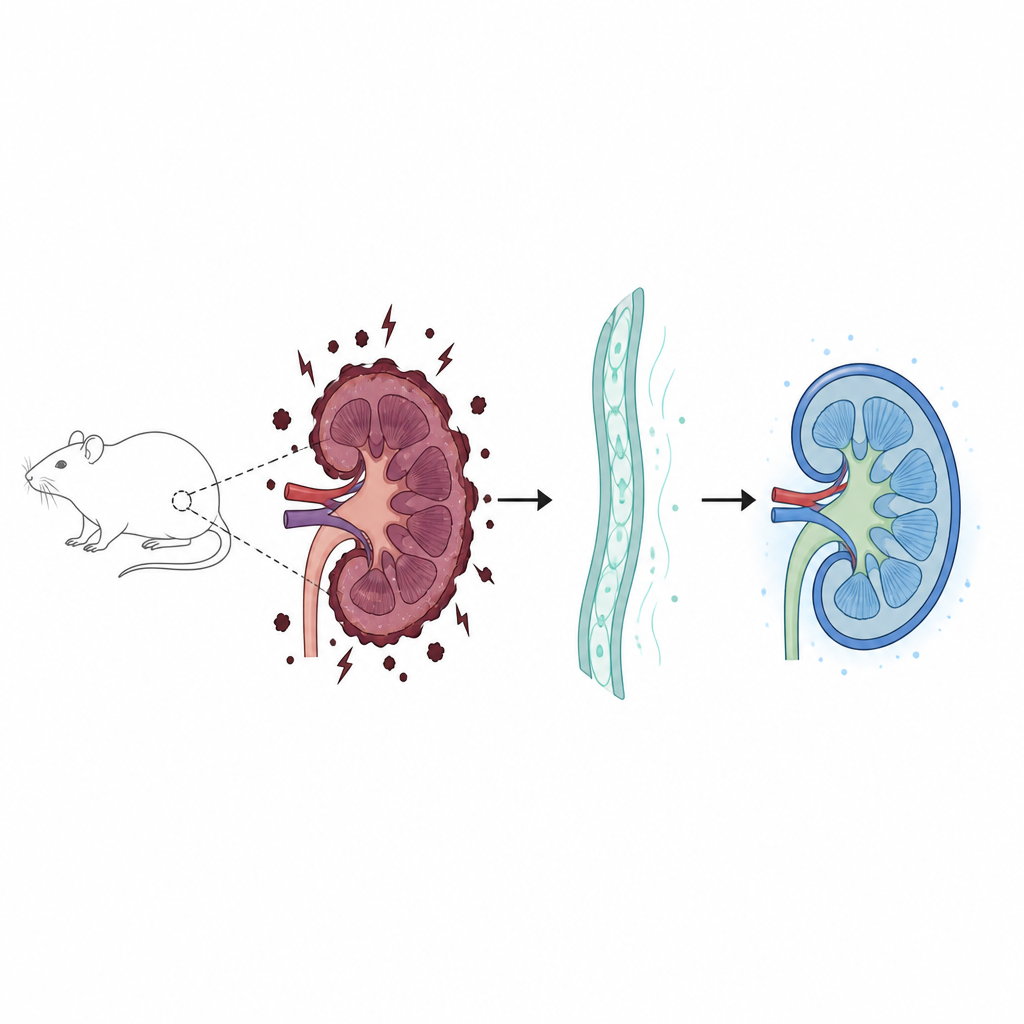
Cisplatin is a widely used cancer drug, but it often harms the kidneys, sometimes badly enough to limit treatment. This study in rats explores whether dapagliflozin, a diabetes medication already used in clinics, can shield the kidneys from this damage and how it might work inside kidney cells. The findings hint at a way to protect kidney health without weakening cancer therapy, though the work is still at an early, experimental stage.
The problem with a life saving cancer drug
Cisplatin is a key therapy for solid tumors, yet up to a third of patients develop acute kidney injury, a sudden loss of kidney function linked to high death rates and later chronic disease. In the kidneys, cisplatin builds up inside the tiny tubes that filter and process waste. There it disrupts energy producing structures, tips the balance toward harmful oxygen containing molecules, triggers inflammation, and pushes cells toward death. The result is damaged kidney filters and tubules, rising blood levels of waste products such as creatinine and urea, and visible scarring and cell loss under the microscope.
An anti diabetes drug with a kidney twist
Dapagliflozin was developed to lower blood sugar by helping the kidneys flush out extra glucose. Over the past decade, however, it has also been shown to protect hearts and kidneys in several disease models, often by reducing inflammation, oxidative stress, and cell death. Here, researchers tested whether giving dapagliflozin by mouth for two weeks could soften cisplatin’s kidney damage in healthy male rats. On day ten the animals received a single cisplatin injection to induce acute kidney injury, and the team then measured kidney function, damage signals in blood and tissue, and detailed molecular changes inside kidney cells.
Less kidney strain and calmer cell signals
Rats that received cisplatin alone showed striking signs of kidney failure: creatinine and urea in the blood rose sharply, and early kidney injury markers NGAL and KIM 1 surged. Inside the kidneys, levels of protective antioxidants dropped while markers of oxidative damage and nitric oxide climbed, indicating a strong imbalance in redox status. Inflammatory switches such as NF kappa B and the cytokines TNF alpha and interleukin 6 were turned up, and pro death signals outweighed survival signals, with more Bax and active caspase 3 and relatively less BCL2. Pretreatment with dapagliflozin eased many of these changes. Kidney function markers improved, early injury proteins fell markedly, antioxidant defenses rebounded, and both inflammatory and cell death related markers shifted toward a calmer, more survival friendly state. Importantly, blood sugar remained unchanged, showing that these benefits were not due to simple glucose lowering.
Helping cells clean up their damaged power plants
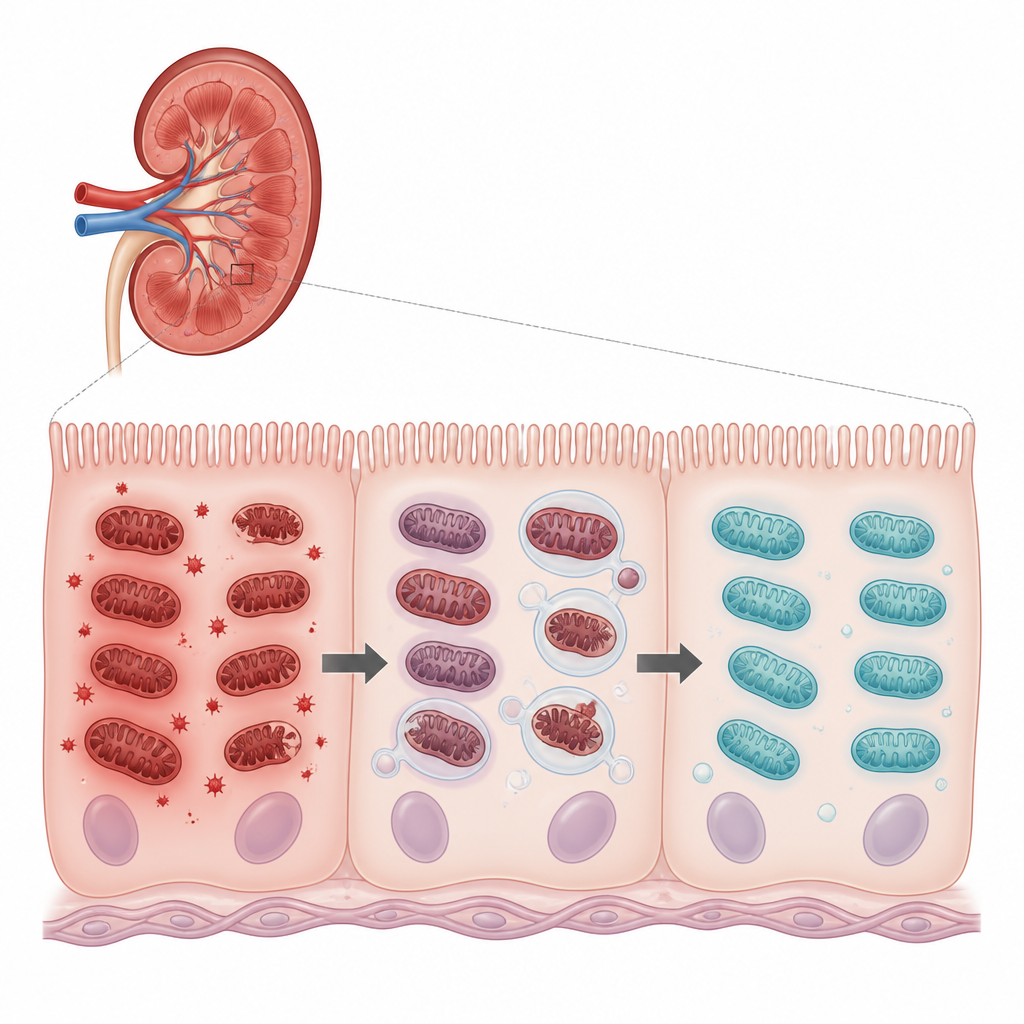
A central focus of the work was mitophagy, the cell’s way of identifying and removing faulty mitochondria, the energy factories that are especially abundant in kidney tissue. Cisplatin suppressed key players in this cleanup system, including PINK1 and Parkin, while increasing proteins that mark the presence of damaged mitochondrial membranes and blocking the normal flow of autophagy, the broader waste recycling process. This pattern suggested that worn out mitochondria were piling up instead of being cleared. Dapagliflozin largely reversed these trends: it boosted PINK1 and Parkin, lowered the excess mitochondrial membrane proteins, reduced the buildup of p62 and LC3 II, and restored a healthier autophagy balance. Under the microscope, kidneys from dapagliflozin treated rats showed far fewer dead cells, less tubular distortion, and more normal looking structures than kidneys from cisplatin only rats.
What the findings could mean
Taken together, the study suggests that dapagliflozin can lessen cisplatin induced kidney injury in rats by dampening oxidative stress and inflammation, blocking excessive cell death, and reviving the cell’s own mitochondrial cleanup and recycling systems. For non specialists, this means the drug appears to help kidney cells keep their energy factories in good working order and dispose of damaged parts before they cause lasting harm. While these results do not yet show that dapagliflozin is safe or effective for this purpose in people with cancer, they provide a clear framework for future laboratory and clinical research on protecting the kidneys during cisplatin treatment.
Citation: Khallaf, E.K., Ramadan, E.A., Elmazar, M.M. et al. Dapagliflozin attenuates cisplatin-induced nephrotoxicity in rats through modulation of ROS/NF-κB, BCL2/Bax and PINK1/Parkin signaling pathways. Sci Rep 16, 15227 (2026). https://doi.org/10.1038/s41598-026-50755-0
Keywords: cisplatin kidney injury, dapagliflozin, acute kidney injury, mitophagy, SGLT2 inhibitors