Clear Sky Science · en
Risk factors associated with depressive symptoms among institutionalized elderly in Lebanon
Why this topic matters
Depression is more than feeling sad; it can drain energy, disturb sleep, and make everyday life feel empty. For older adults living in long-term care homes, these feelings can be especially intense, yet often overlooked. This study from Lebanon takes a closer look at which residents are most likely to struggle with depressive symptoms, offering clues that families, caregivers, and health authorities can use to better protect mental health in later life.
Life inside care homes
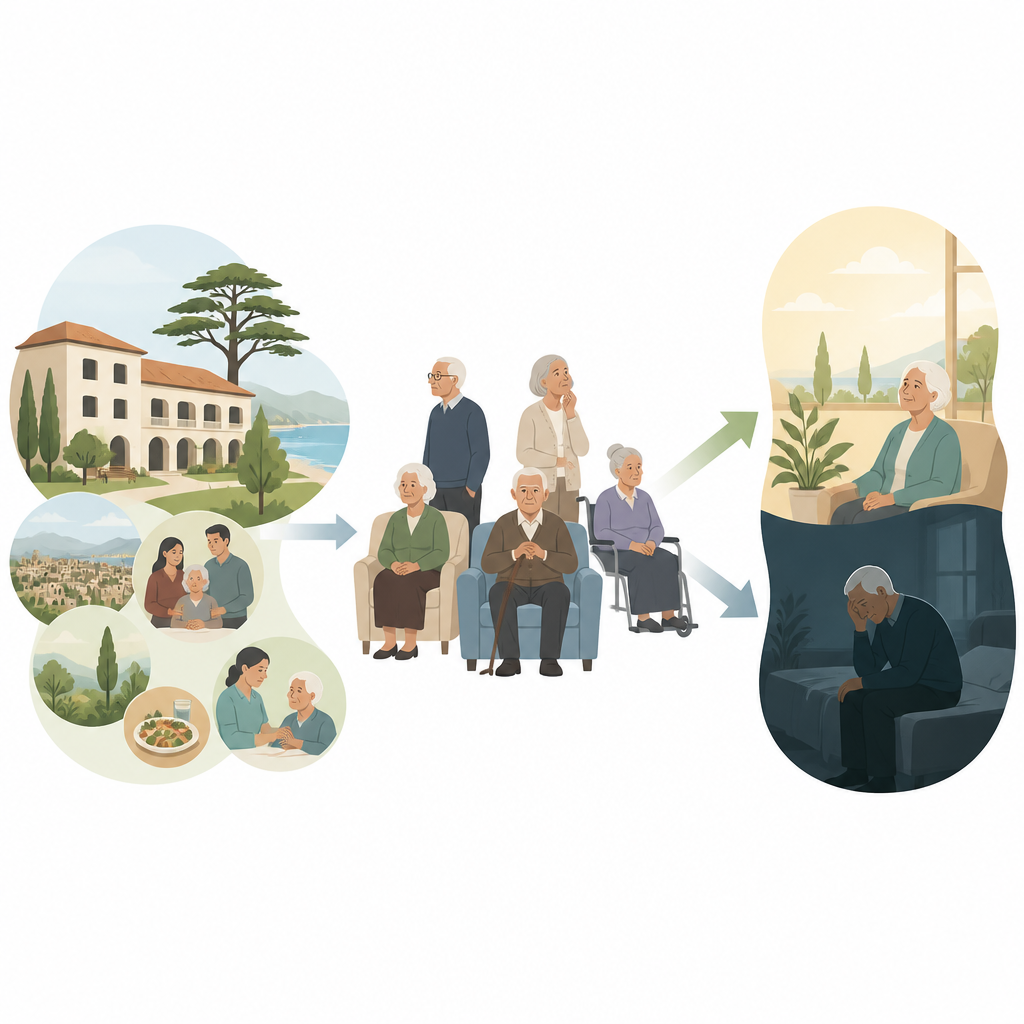
Long-term care facilities are meant to provide safety and support for older people who can no longer live independently. Residents often have several health problems, reduced mobility, and, at times, memory or thinking difficulties. These challenges can lead to loneliness, fear, and a sense of lost independence. In Lebanon, cultural expectations add another layer: older adults traditionally stay within the family, so moving into an institution can be emotionally painful and socially stigmatizing. This study set out to describe who lives in these facilities and to measure how common depressive symptoms are among them.
How the study was done
Researchers visited 16 long-term care homes in different regions of Lebanon and interviewed 180 residents aged 65 to 97 who were able to answer questions. Nurses used a short, specialized checklist to rate depressive symptoms, while residents were assessed for memory and thinking, frailty, anxiety, sleep problems, and pain, and were asked about their medical history, daily habits, and social ties. The team then used statistical models to see which factors were linked to having significant depressive symptoms, while accounting for the influence of other variables.
Who was most affected
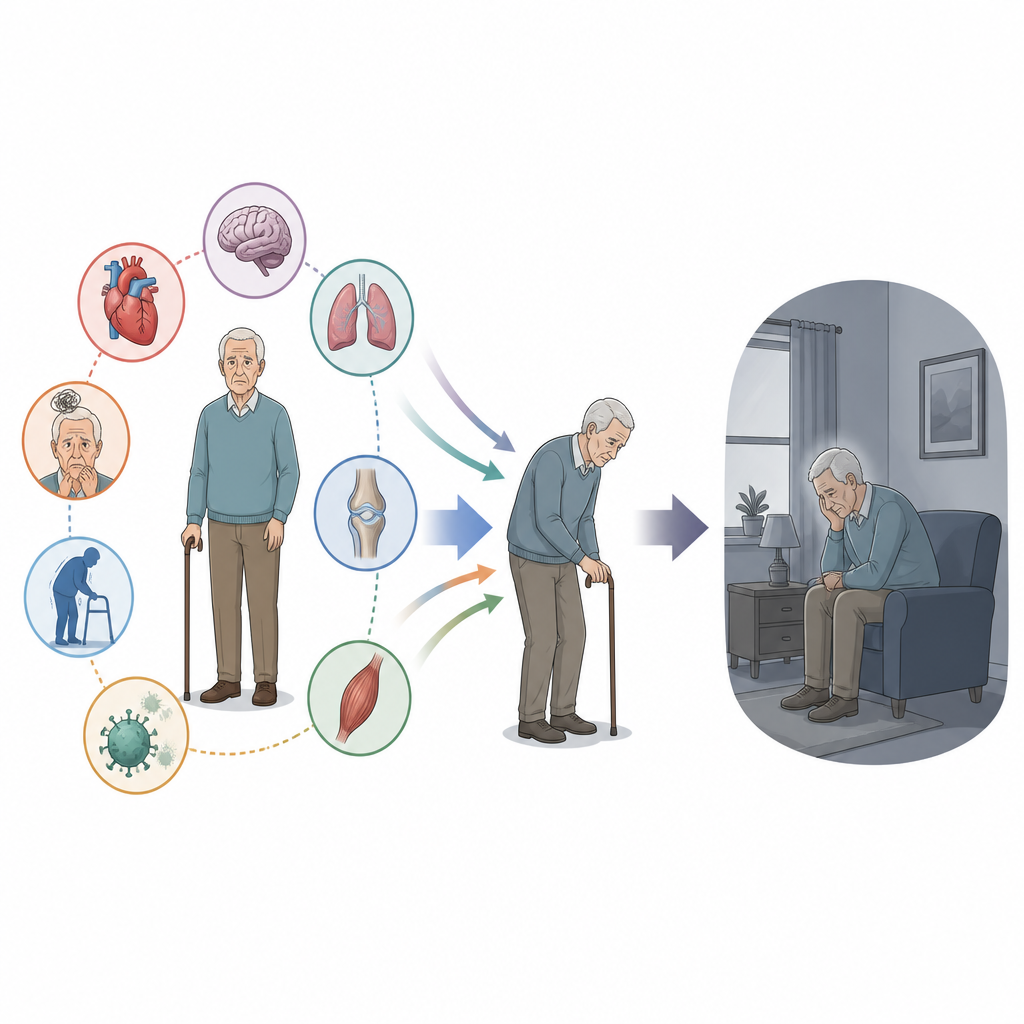
Almost half of the residents in this study showed notable depressive symptoms, a much higher rate than is usually seen among older people living in their own homes. Surprisingly, age, gender, marital status, and education level were not clearly tied to depression in this group. Instead, health and emotional factors mattered more. Residents with more than two medical conditions, those who were physically frail, those who reported anxiety symptoms, and those who had been infected with COVID-19 were all more likely to show signs of depression. Cognitive problems or pain did not show a strong link in this sample, possibly because people with severe memory issues were not included and many residents had their pain controlled.
The role of faith and social connections
One of the most striking findings concerned religious involvement. Residents who took part in daily religious activities, such as prayer or ceremonies, were less likely to have depressive symptoms. In a setting where many people feel cut off from their families and daily routines, these practices may offer emotional comfort, a sense of meaning, and chances for social interaction. Earlier in the analysis, being visited often by relatives also seemed helpful, although this effect weakened after other factors were taken into account. The results suggest that both spiritual life and human connection can act as buffers against the emotional toll of illness and institutional living.
What it means for care and policy
For a layperson, the main message is that depression in care homes is not simply a natural part of aging; it is closely tied to a mix of physical illness, frailty, anxiety, and the lingering impact of COVID-19, as well as to protective elements like religious practice. The authors conclude that routine screening for depressive symptoms in long-term care is essential, especially for residents with many health problems, previous COVID-19 infection, or signs of frailty and anxiety. They argue that institutions and health authorities should adopt a holistic approach that supports both body and mind, including programs that encourage safe movement, emotional support, coping skills, and meaningful spiritual or social activities, to improve quality of life for older adults in residential care.
Citation: Mohsen, H., Abbas, L.A., Calvet, B. et al. Risk factors associated with depressive symptoms among institutionalized elderly in Lebanon. Sci Rep 16, 16308 (2026). https://doi.org/10.1038/s41598-026-47721-1
Keywords: late life depression, long term care, elderly mental health, Lebanon, frailty