Clear Sky Science · en
Lidocaine inhibits hepatocellular carcinoma cell proliferation, migration, and invasion through the downregulation of SLC6A3
Why a numbing drug matters for liver cancer
Lidocaine is best known as the numbing shot you get at the dentist or before minor surgery. But this study suggests that the same drug might quietly be helping fight one of the deadliest cancers worldwide: hepatocellular carcinoma, the most common form of liver cancer. By digging into how lidocaine interacts with liver cancer cells at the molecular level, the researchers reveal a surprising new target that could be leveraged to slow tumor growth and spread.
A closer look at liver cancer’s challenge
Liver cancer is among the most common and deadly cancers globally, and many patients are diagnosed only when the disease is already advanced. Even with modern drugs that stimulate the immune system, long-term survival remains poor for most people with advanced hepatocellular carcinoma. Because lidocaine is already widely used and generally safe, understanding whether it can also act as an anti-cancer agent could open the door to improving treatment without inventing an entirely new drug from scratch.
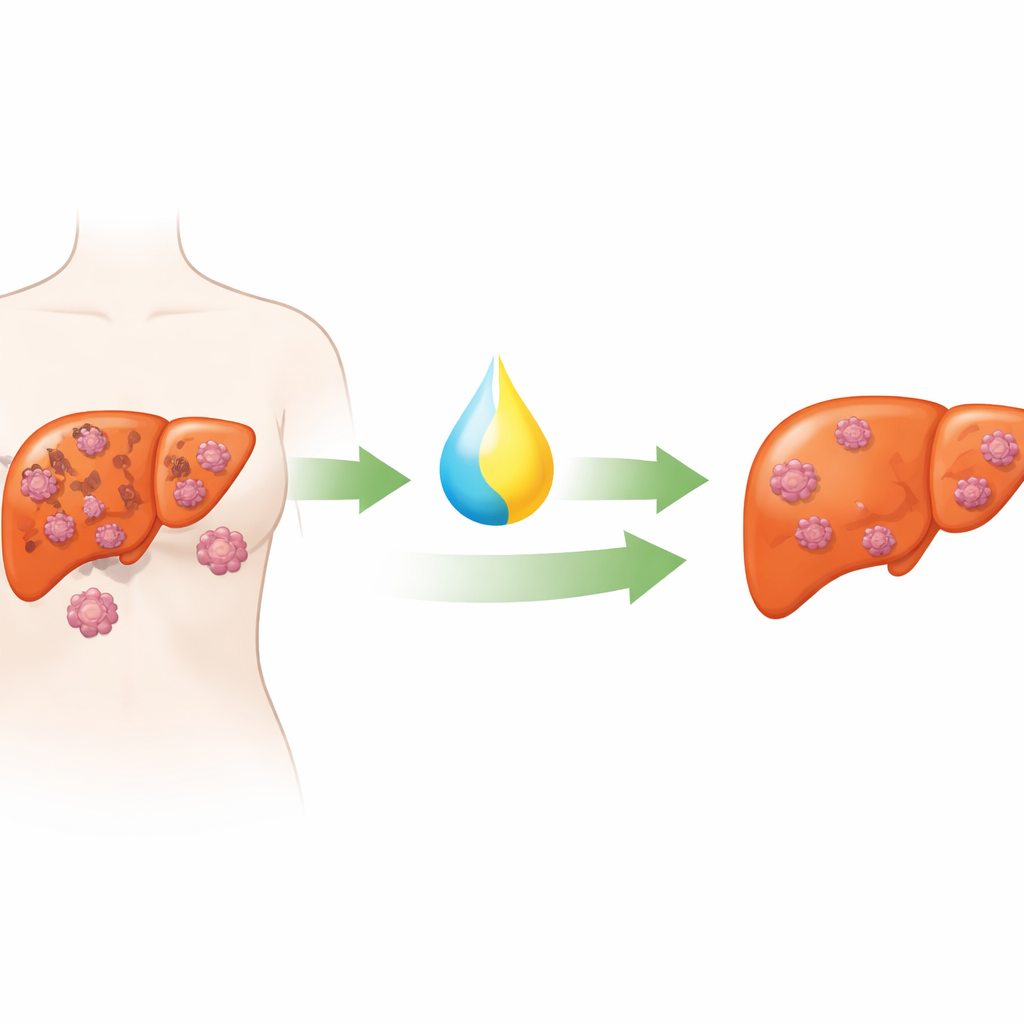
Hunting for lidocaine’s hidden targets
The team combined two powerful approaches to map how lidocaine affects liver cancer cells. First, they used “network pharmacology” databases to predict hundreds of proteins in human cells that lidocaine might bind to. Then they treated liver cancer cells (a line called HepG2) with lidocaine and performed transcriptomic sequencing, which measures which genes are turned up or down. By overlapping these two lists, they narrowed more than 400 predicted targets and more than 400 altered genes down to just nine key candidates that both respond to lidocaine and are likely to interact with it directly.
Spotlighting a dopamine transporter in cancer
Among the nine candidates, one stood out: a gene called SLC6A3, which encodes a transporter that normally helps nerve cells recapture the brain chemical dopamine. In liver cancer patient datasets, higher levels of SLC6A3 and another gene, TERT, were linked to worse survival, with SLC6A3 showing the strongest association. The researchers then used computer docking to model how lidocaine might physically bind to these proteins and found that lidocaine forms a stable, mainly hydrophobic interaction with SLC6A3. When they looked back at their cell experiments, lidocaine treatment clearly drove SLC6A3 levels down in the cancer cells.
What happens when the key switch is turned down
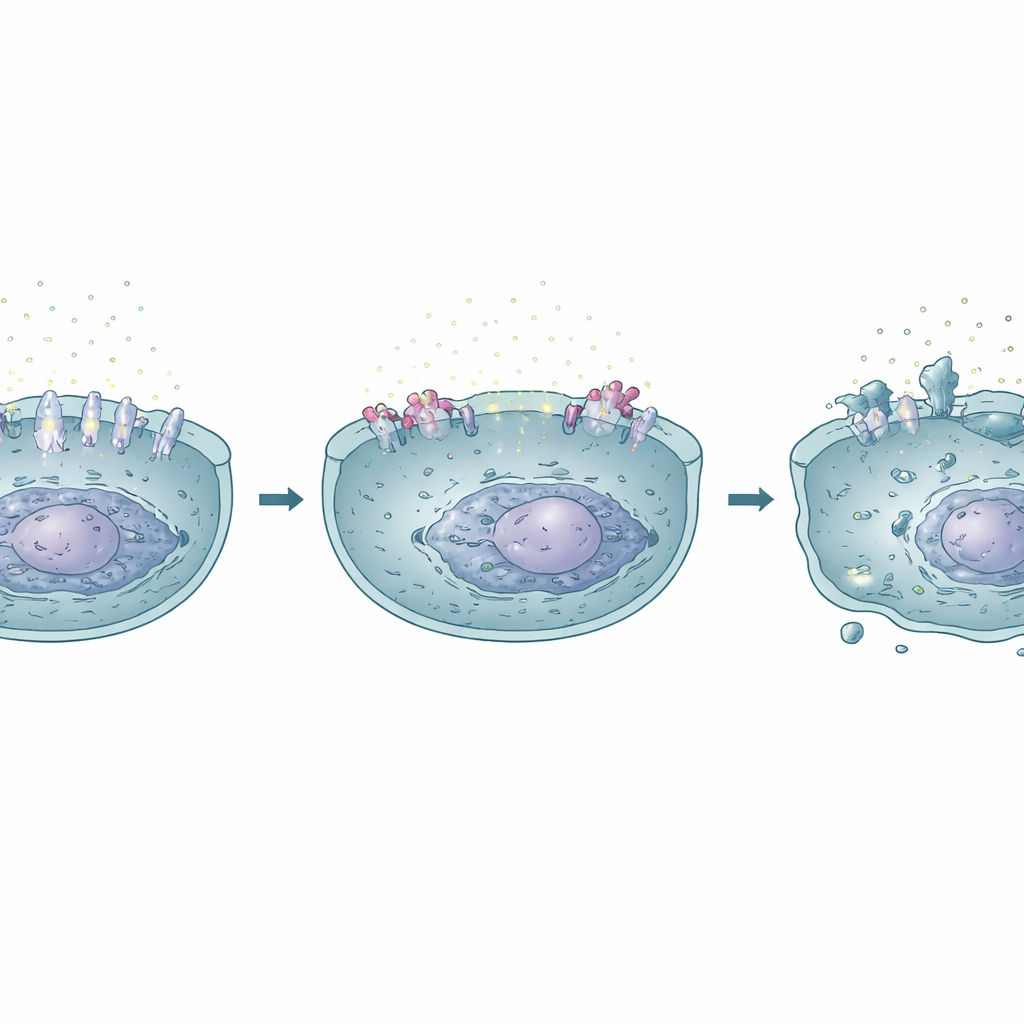
To test whether SLC6A3 is more than a bystander, the scientists directly manipulated its levels in liver cancer cells. When they forced the cells to reduce SLC6A3, the cells became less viable, more prone to programmed cell death, and far less able to migrate and invade—two behaviors that underlie tumor spread. Overexpressing SLC6A3 had the opposite effect, boosting growth and invasiveness while protecting cells from death. The study also linked SLC6A3 to patterns of immune cell infiltration in liver tumors and to pathways related to dopamine balance and a type of lethal cell stress called ferroptosis, hinting that this transporter sits at the crossroads of metabolism, signaling, and immunity in liver cancer.
Beyond one gene: a broader network of change
While SLC6A3 emerged as the central player, lidocaine’s reach is broader. The drug altered several other genes with known roles in cancer and cell fate. It lowered expression of TERT, a component that helps cancer cells maintain their chromosome ends and divide indefinitely, and increased levels of ALOX12, an enzyme linked to ferroptosis and tumor suppression. Together, these shifts support a picture in which lidocaine nudges liver cancer cells toward self-destruction while making the tumor environment less hospitable to aggressive growth and spread.
What this means for patients and future care
In plain terms, this study suggests that lidocaine may do more than numb pain—it may directly hobble liver cancer cells by dialing down a dopamine transporter, SLC6A3, and pushing cells toward death while limiting their ability to move and invade. Because lidocaine is already used in many liver cancer procedures, these findings raise the possibility that optimizing how and when it is given could improve outcomes without adding entirely new drugs. Still, the work so far is mostly in cell models and computer analyses; confirming these effects in animals and clinical trials will be essential before lidocaine can be deliberately repurposed as a targeted ally against liver cancer.
Citation: Li, P., Tong, W., He, H. et al. Lidocaine inhibits hepatocellular carcinoma cell proliferation, migration, and invasion through the downregulation of SLC6A3. Sci Rep 16, 11678 (2026). https://doi.org/10.1038/s41598-026-46688-3
Keywords: liver cancer, lidocaine, dopamine transporter, tumor microenvironment, ferroptosis