Clear Sky Science · en
Measuring the added benefits of decentralized trial elements (SHASTA): impact on enrollment, demographics, and data completeness through a single sponsor
Bringing Trials Closer to Home
For many people, taking part in a medical study means traveling long distances to big hospitals, juggling work and family, and navigating confusing schedules. This paper looks at a new way of running studies that uses phone visits, electronic forms, local clinics, and home care to bring research closer to where people actually live. By examining six real-world studies from one company, the authors ask a practical question: when we move some trial activities out of large research centers and into homes and communities, do we enroll people faster, reach more diverse groups, and still collect solid data?
Why Traditional Trials Leave People Out
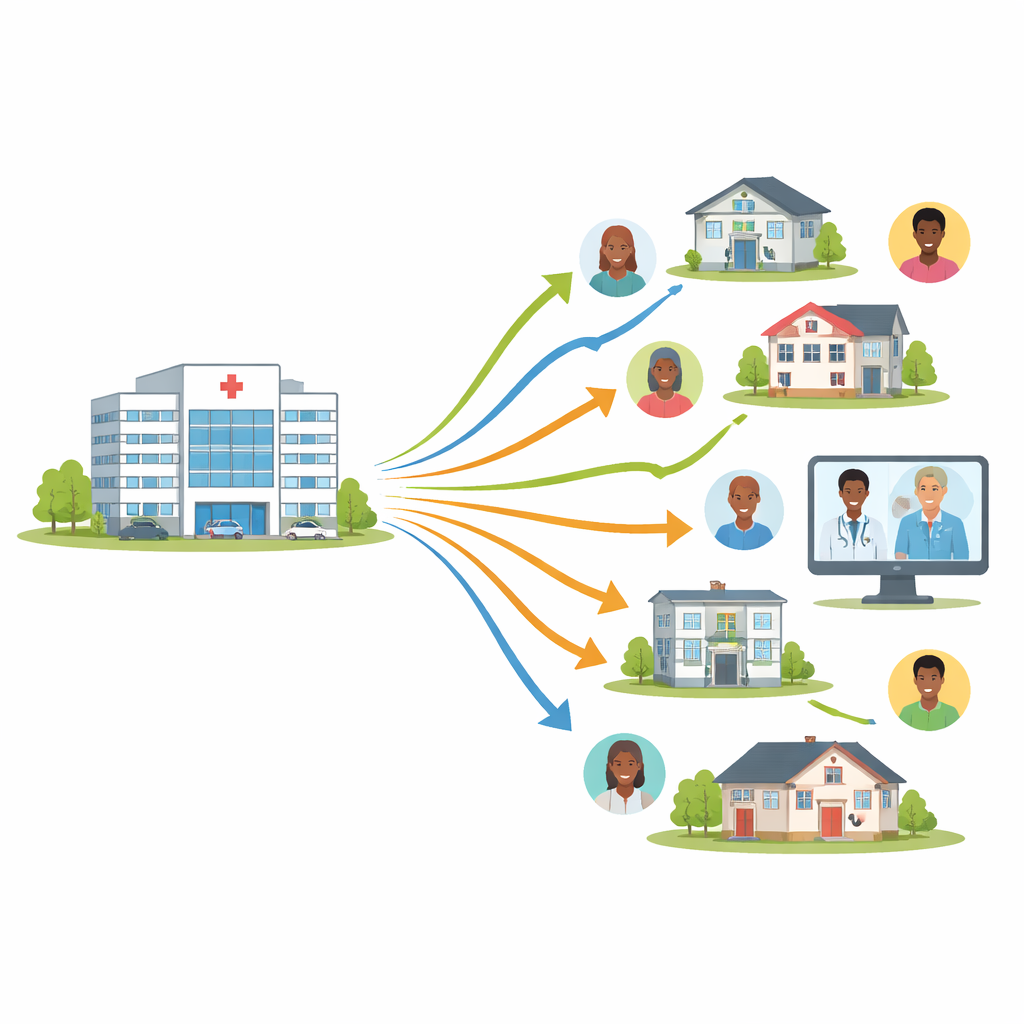
Traditional clinical trials are built around a small number of major hospitals. Participants must visit these sites in person for consent, exams, lab tests, and drug doses. This setup is expensive, time-consuming, and often inconvenient. In cancer alone, only an estimated 2–8% of adults join trials, in part because strict rules and travel needs shut people out. Many patients with advanced disease live an hour or more from the nearest trial site. Over the past 15 years, there have also been fewer trial sites per study, stretching access even thinner. As a result, trial results may not reflect how medicines work for people in everyday life, especially those from underserved communities.
What It Means to Decentralize a Trial
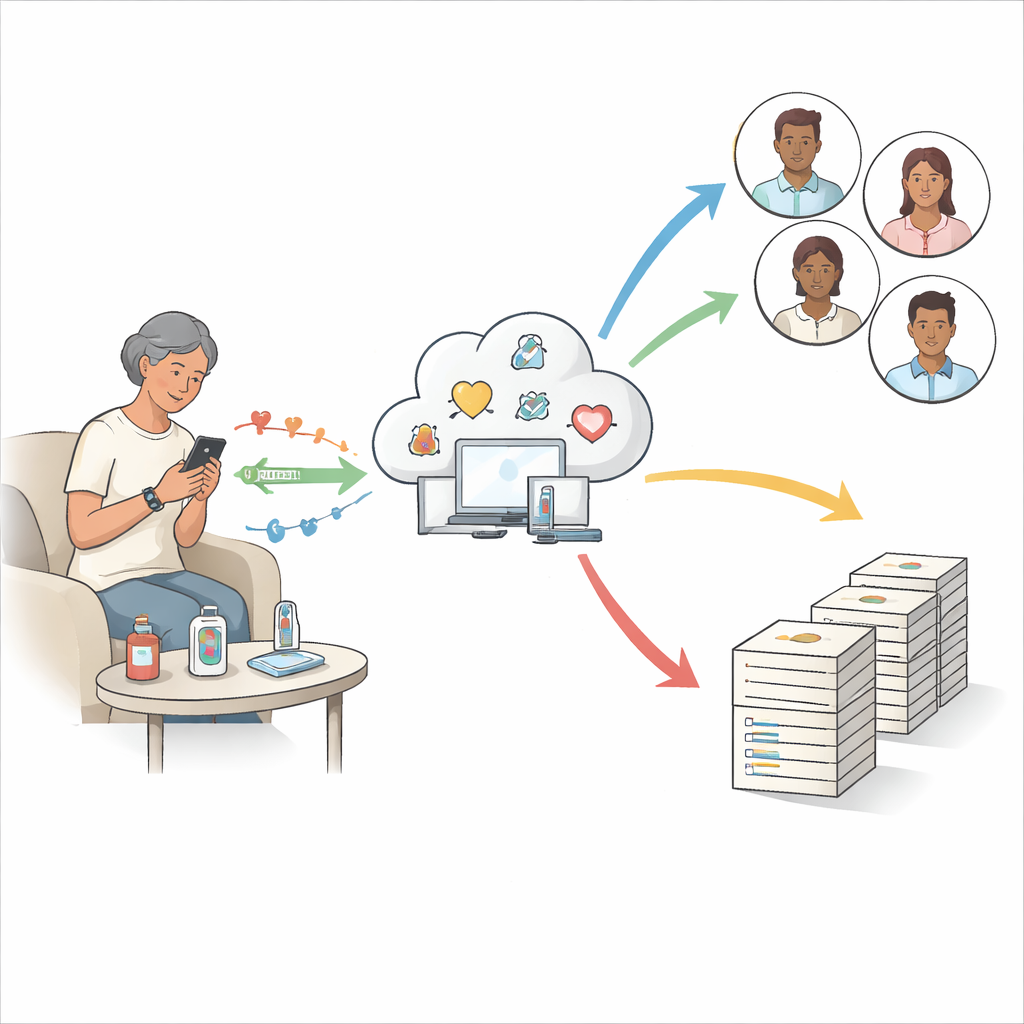
Decentralized clinical trials do not rely solely on a single hospital or clinic. Instead, trial activities can happen in many places: at home with a visiting nurse, through video visits, at local labs and clinics, or via devices that collect health information remotely. In the six studies the authors analyzed, common elements included electronic consent, telehealth appointments, electronic symptom or quality-of-life surveys, home health visits, local healthcare providers, and direct shipping of study medicines to participants. Some trials even used a central coordinating team that could enroll and follow participants in several states, regardless of where the lead doctor was physically located.
Faster Enrollment and Early Signs on Diversity
The authors compared how quickly participants signed up for these trials against historical averages from similar studies. They found that adding decentralized elements was linked with more efficient enrollment, particularly outside oncology. In cancer studies, sites using these tools enrolled slightly more participants per month than older, traditional trials. In non-cancer studies—especially one large stroke study—the difference was much larger, suggesting that bringing the trial closer to patients can speed things up when time and geography are major barriers. The team also compared the racial and ethnic mix of participants to past benchmarks. In several studies, enrollment of Asian, Black, and Hispanic participants edged upward, though the authors caution that this may also reflect intentional outreach efforts, not just the use of new technology.
Does the Data Still Hold Up?
Faster enrollment and broader reach matter only if the data remain trustworthy. To explore this, the authors took a closer look at one hybrid trial that included both traditional sites and virtual participation. For key information that every participant must provide, such as basic disease details and ethnicity, data completeness was extremely high in both models—around 98–99% overall. But for extra assessments that are harder to capture, such as certain functional or symptom scores pulled from medical records, traditional sites did better than virtual ones. In-person teams often had easier access to full test reports, whereas virtual coordinators sometimes saw only partial or summarized information. The authors note that this snapshot comes from an ongoing study, so these numbers may shift over time as systems improve.
Practical Lessons and Why It Matters
Running partly remote trials is not as simple as adding a video visit. The paper highlights lessons learned: planning decentralized elements from the start is crucial; technology vendors need strong experience with the specific disease and medical records; and regulators expect clear plans to manage added risks, such as home nursing and complex data flows. On the positive side, central coordinating centers helped reach patients far beyond the usual catchment area, and some participants clearly preferred remote options when given the choice. Overall, the authors conclude that decentralized approaches are powerful tools but not a cure-all. Used thoughtfully, they can speed enrollment, potentially broaden who takes part, and maintain high-quality data for core measures. Just as important, the skills and infrastructure built for these trials could support a future in which everyday care—not just research—is more flexible, digital, and centered around patients’ lives.
Citation: Yang, A., Mandel, E., Asthana, S. et al. Measuring the added benefits of decentralized trial elements (SHASTA): impact on enrollment, demographics, and data completeness through a single sponsor. Sci Rep 16, 11732 (2026). https://doi.org/10.1038/s41598-026-46193-7
Keywords: decentralized clinical trials, telehealth research, clinical trial access, patient-centered studies, real-world data