Clear Sky Science · en
Depression among infertile women attending Gynecology Referral Clinics in West Arsi and Bale Zones hospitals, 2025
Why this topic matters to everyday life
Across the world, many couples struggle to have children, and for women this can bring not only medical worries but also deep emotional pain. In places where motherhood is closely tied to a woman’s identity and social status, the inability to conceive can lead to stigma, blame, and lasting sadness. This study from Ethiopia looks closely at how common depression is among women seeking help for infertility, and what life circumstances make these women most at risk. Its insights help explain how health services and families can better support women facing this double burden.
The hidden emotional cost of infertility
The researchers began by noting that infertility now affects roughly one in six adults worldwide. While both men and women can be infertile, in many low income countries women are more likely to be blamed and shamed. In Ethiopia, where the study took place, motherhood is often seen as central to a woman’s worth, which can make childlessness especially painful. Previous work suggested that women with infertility are more likely to experience depression, but good local data from Ethiopia were scarce. To fill this gap, the team set out to measure how many infertile women in several hospital clinics showed signs of depression, and to pinpoint the social and personal factors linked to this distress. 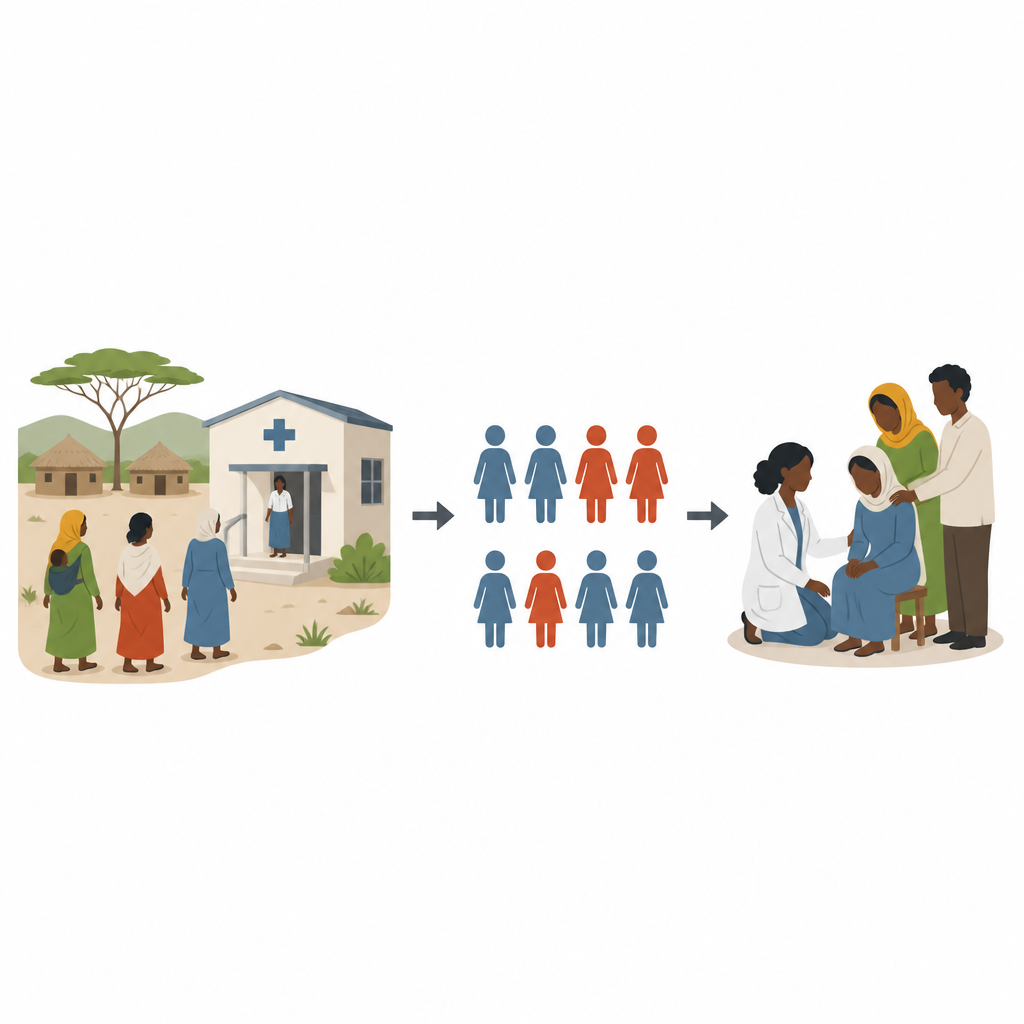
How the study was carried out
The study focused on women diagnosed with infertility who were attending gynecology referral clinics in three zones of Oromia, a largely rural region of southeast Ethiopia. Between February and April 2025, the researchers used a structured interview and clinic record review to gather information from 412 women. A widely used questionnaire for mood, the Patient Health Questionnaire 9, was used to measure depressive symptoms. Women were also asked about their age, education, income, type and length of infertility, social support from family, satisfaction with their relationship, and any history of violence from a partner. Statistical methods were then applied to find which factors were most closely tied to having at least mild symptoms of depression.
How common depression was among these women
The findings were striking: just over half of the women, 53.4 percent, met the threshold for depressive symptoms. Many of the women were living in poverty, and most had primary infertility, meaning they had never carried a pregnancy. For a large share, infertility had lasted many years. The study showed that depression was not distributed evenly. Women in their thirties were more likely to be depressed than younger women, perhaps because they felt time running out for pregnancy. Those with primary infertility had higher odds of depression than those who had previously had a child, underscoring the special strain of never having experienced motherhood at all.
Key pressures that deepen emotional distress
Beyond age and type of infertility, the length of time a woman had been infertile made a big difference. Women whose infertility had lasted a decade or more were more than twice as likely to have depressive symptoms as those with shorter struggles, suggesting that years of repeated disappointment take a heavy toll. Support from family also mattered: women who reported poor family support had over twice the odds of depression compared with those who felt strongly supported. A history of violence by an intimate partner was another powerful predictor. Women who had ever experienced physical, sexual, or emotional harm from a partner were significantly more likely to be depressed. These links highlight how social isolation and unsafe relationships can magnify the emotional burden of infertility. 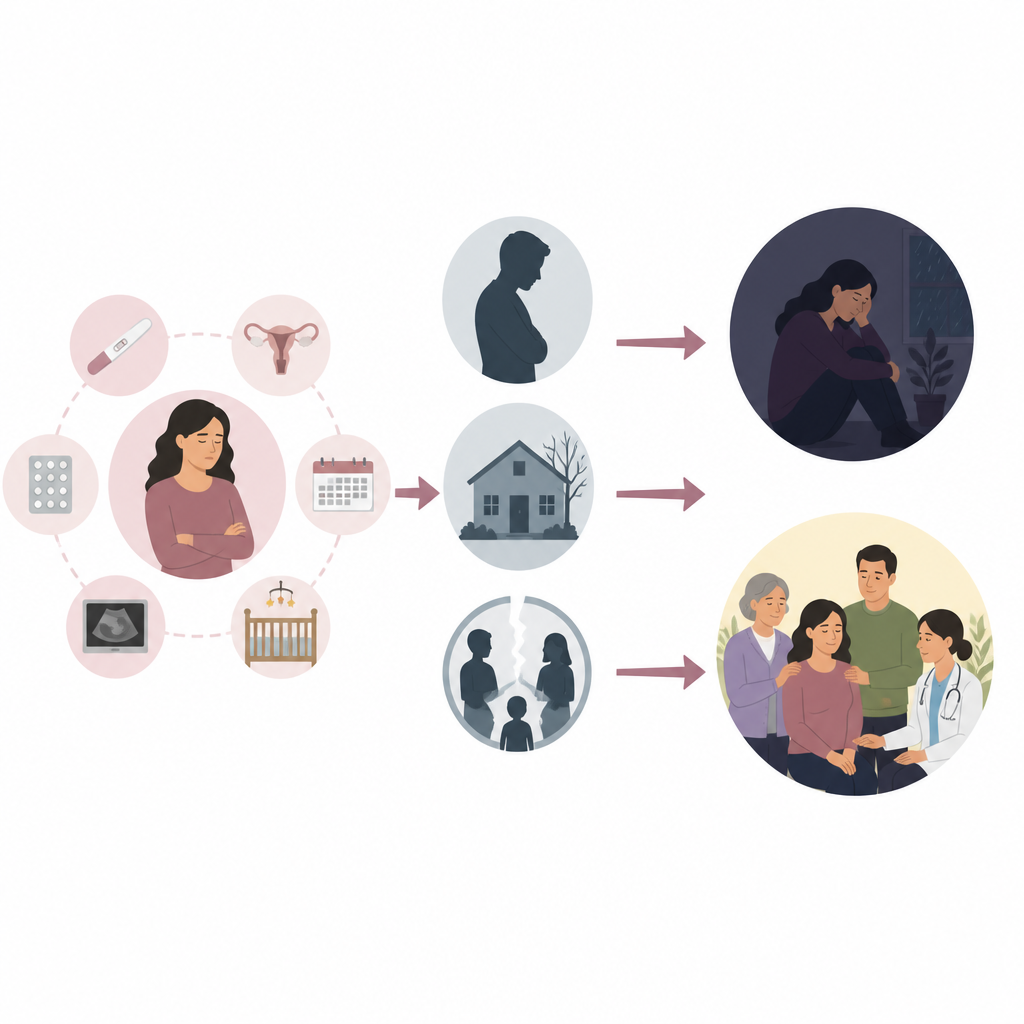
What the results mean for care and support
To a lay reader, the message of this work is clear: infertility is not just a medical condition, it is a serious emotional and social challenge, especially for women in settings where childbearing defines womanhood. In this Ethiopian sample, more than one in two infertile women were living with depressive symptoms, often alongside poverty, weak family support, or partner violence. The authors argue that infertility clinics should routinely screen for depression, provide mental health education, and link women to counseling and protection services when needed. By recognizing and addressing both the physical and emotional sides of infertility, health workers, families, and communities can ease suffering and improve the lives of women who long for children.
Citation: Alemu, S.S., Aboabe, E., Zemedkun, K. et al. Depression among infertile women attending Gynecology Referral Clinics in West Arsi and Bale Zones hospitals, 2025. Sci Rep 16, 15914 (2026). https://doi.org/10.1038/s41598-026-46059-y
Keywords: infertility, depression, women, Ethiopia, mental health